Blog

  • Joint Replacement Recovery: What Patients Should Realistically Expect

    Joint Replacement Recovery: What Patients Should Realistically Expect

    Recovery Begins After the Surgery, Not When It Ends

    Knee and hip replacement surgery can significantly improve mobility and reduce pain caused by advanced joint damage. However, surgery is only one part of the treatment journey. Recovery involves bone preparation, implant placement, healing of surrounding soft tissues and gradual rebuilding of muscle strength, balance and confidence in movement.

    A patient may feel relief from the old arthritic pain early, but swelling, stiffness, tiredness and discomfort from the surgical healing process are still expected in the initial weeks. Recovery is gradual and does not follow the same timeline for every person.

    What Happens During a Joint Replacement Procedure?

    In a knee or hip replacement, the damaged joint surfaces are prepared and replaced with artificial components called implants. The surrounding muscles, ligaments and other soft tissues still need time to settle and adapt to the new joint.

    For this reason, recovery is not simply about the incision healing. It also includes restoring joint movement, controlling swelling, rebuilding strength and learning safe movement patterns again. The implant is placed during surgery, but functional recovery is built through rehabilitation afterward.

    The First Few Days: Safety, Pain Control and Early Movement

    The early stage is focused on safe mobilisation and preventing complications. Depending on the procedure and the patient’s overall condition, many patients begin standing or walking with support under the guidance of the care team.

    The initial goals are usually:

    • Managing pain in a way that allows safe movement
    • Learning how to get in and out of bed or a chair
    • Walking with a walker, crutches or another support if advised
    • Beginning simple prescribed exercises
    • Understanding wound care, medicines and precautions before discharge
    • Learning how to use stairs safely if required at home

    Before discharge, patients are usually guided on safe movement, use of walking support and the home exercise plan advised by their treating team.

    The First Two Weeks: Healing Without Rushing

    This phase can feel demanding. The joint may remain swollen and movement may feel slow or uncomfortable. It is common for patients to compare their progress with someone else’s recovery, but this is rarely helpful. Age, pre-surgery strength, other medical conditions, the type of procedure and the ability to follow rehabilitation all influence progress.

    During this period, patients are generally guided to focus on:

    • Regular physiotherapy exercises as prescribed
    • Short, safe walks rather than prolonged activity
    • Swelling management through the measures advised by the treating team
    • Proper use of walking support
    • Taking medicines as prescribed
    • Avoiding sudden twisting, falls or unapproved activities

    The aim is not to prove strength quickly. The aim is to build a safe base for recovery.

    Weeks Three to Six: Regaining Everyday Independence

    As pain and swelling gradually reduce, many patients begin becoming more independent with routine tasks. This does not mean recovery is complete. The joint is still healing and the muscles around it may remain weak.

    This phase often focuses on:

    • Improving knee bend or hip movement as advised
    • Moving from a walker to a stick or less support when clinically appropriate
    • Improving balance and walking pattern
    • Managing stairs with the correct technique
    • Returning gradually to light household activities
    • Building confidence without overloading the joint

    Early recovery after knee replacement often takes several weeks. Further improvement in strength, flexibility and confidence can continue for months.

    Why Physiotherapy Is Not an Optional Part of Recovery

    A successful operation alone cannot restore normal function without rehabilitation. Physiotherapy helps the body adapt to the new joint and reduces the risk of stiffness, poor walking patterns and prolonged weakness.

    A structured programme may include:

    • Range-of-motion exercises to restore safe joint movement
    • Muscle activation and strengthening exercises
    • Walking and balance training
    • Guidance for stairs, sitting, standing and transfers
    • Gradual endurance building for daily activity

    Physiotherapy is not only about exercise. It helps patients move correctly, regain confidence and return to daily activities without placing unnecessary strain on the new joint.

    Why One Patient Recovers Faster Than Another

    Two people can have the same procedure and still recover differently. A faster timeline is not the only sign of a good outcome. What matters is steady, safe progress.

    Recovery may be influenced by:

    • Overall health and medical conditions such as diabetes or heart disease
    • Muscle strength and mobility before surgery
    • Severity of joint damage before treatment
    • Surgical technique and implant selection
    • Pain control and wound healing
    • Consistency with physiotherapy
    • Nutrition, sleep and family support at home
    • Avoiding falls and following activity precautions

    This is why patients should not make decisions based only on another person’s recovery story.

    What Is Usually Normal During Recovery?

    Some discomfort is expected after a major joint procedure. Patients may notice that recovery is not perfectly linear. A better day may be followed by a day with more swelling after increased activity.

    Common experiences can include:

    • Swelling around the knee, leg, ankle or foot
    • Stiffness after rest or in the morning
    • Tiredness after physiotherapy or walking
    • Temporary sleep disturbance
    • A feeling of tightness around the surgical area
    • Gradual improvement rather than instant normal movement

    Swelling and stiffness may continue for some time after surgery, but they should gradually improve with appropriate recovery care and follow-up.

    Warning Signs That Need Medical Attention

    Patients should contact their treating team promptly if they notice symptoms that are worsening rather than gradually improving.

    • Fever or chills
    • Increasing redness, warmth or discharge from the wound
    • Sudden or worsening pain that does not respond to prescribed treatment
    • New swelling or pain in the calf
    • Shortness of breath or chest pain
    • A fall or injury involving the operated joint
    • Difficulty moving the leg that is new or severe

    These symptoms do not always indicate a serious complication, but they should never be ignored.

    Returning to Daily Life: A Gradual Process

    Many people want to know exactly when they can drive, return to work, travel or resume household responsibilities. There is no single date that applies to everyone. The answer depends on the joint replaced, the type of work, the operated side, strength, reaction time and the treating surgeon’s advice.

    Many patients return to routine daily activities over several weeks. Further gains in strength, flexibility and confidence can continue for months. Low-impact activities such as walking, stationary cycling or swimming may be introduced when the doctor or physiotherapist considers them safe. High-impact activities may not be suitable for every patient and should not be resumed without medical guidance.

    How Hunjan Hospital Supports Joint Replacement Recovery

    At Hunjan Hospital, joint replacement care is planned as a complete treatment pathway rather than only an operation. The focus is on clinical assessment before surgery, careful surgical planning, realistic guidance after surgery and structured rehabilitation support.

    The care pathway may include:

    • Orthopedic evaluation and treatment planning
    • Guidance on implant selection and procedure suitability
    • Surgical care by an experienced orthopedic team
    • Post-operative monitoring and pain management
    • Physiotherapy and rehabilitation support
    • Follow-up guidance for safe return to daily activities
    • Cashless insurance facility, subject to policy approval

    The goal is to help each patient progress safely, steadily and with realistic expectations.

    Final Thought

    Joint replacement can be life-changing for the right patient, but recovery deserves the same attention as the operation itself. The best results usually come from a combination of appropriate surgical planning, consistent physiotherapy, safe activity progression and regular follow-up.

    Recovery is not a race. It is a structured process of healing, strengthening and returning to movement with confidence.

    Medical Disclaimer: The information in this article is for educational purposes only and does not replace professional medical advice, diagnosis, or treatment. Always consult a qualified doctor for medical concerns or treatment decisions. Recovery time and outcomes vary from patient to patient depending on individual health, age, medical conditions, the type of surgery, implant selection, physiotherapy participation and post-operative care.

  • Grade 1 to Grade 4 Knee Arthritis Explained in Simple Language

    Grade 1 to Grade 4 Knee Arthritis Explained in Simple Language

    What is Knee Arthritis?

    Knee arthritis is a condition where the smooth cartilage inside the knee joint starts wearing down over time. This cartilage normally allows the bones to move smoothly without friction. When it becomes thin or damaged, the movement of the joint is affected, leading to pain, stiffness and difficulty in daily activities.

    It usually develops gradually. Many people ignore early symptoms because the discomfort comes and goes. Over time, the condition can progress and start affecting routine movement like walking, climbing stairs or standing for long periods.


    Why understanding grades is important

    Knee arthritis is divided into grades to describe how much damage has happened inside the joint. These grades help doctors decide the right treatment approach.

    It is important to understand that the grade does not always match the pain level exactly. Some people may have mild damage but significant discomfort, while others may have advanced arthritis but tolerate it better.

    Knowing the stage helps in planning treatment early and avoiding unnecessary delay.


    Grade 1 Knee Arthritis (Very Early Stage)

    At this stage, the joint still looks almost normal, but small changes have started.

    • Slight wear in cartilage may begin
    • Joint space is mostly preserved
    • Occasional mild pain or discomfort
    • Stiffness after long sitting or inactivity
    • No major limitation in movement

    Many people do not realise they have arthritis at this stage. Symptoms are usually mild and irregular.

    What helps at this stage:
    Lifestyle changes, weight control, regular exercise and basic physiotherapy can help slow down progression.


    Grade 2 Knee Arthritis (Mild Stage)

    This is the stage where changes inside the joint become more noticeable.

    • Cartilage thinning starts becoming visible
    • Mild bone changes may appear
    • Pain becomes more frequent, especially after activity
    • Stiffness may be noticed in the morning or after rest
    • Movement is mostly normal but not completely comfortable

    People often start adjusting their activities at this stage without realising it.

    What helps at this stage:
    Physiotherapy, strengthening exercises, activity modification and medical management can help control symptoms.


    Grade 3 Knee Arthritis (Moderate Stage)

    At this stage, the joint damage becomes more significant and starts affecting daily life.

    • Cartilage loss becomes more evident
    • Bone surfaces may start rubbing against each other
    • Pain during walking, standing or climbing stairs
    • Noticeable stiffness and reduced flexibility
    • Swelling may be present at times
    • Daily activities start becoming difficult

    Ignoring symptoms at this stage often leads to faster progression.

    What helps at this stage:
    Along with physiotherapy and medication, certain advanced treatments may be considered depending on the condition and patient needs.


    Grade 4 Knee Arthritis (Severe Stage)

    This is the advanced stage where the joint is significantly affected.

    • Cartilage is severely worn out
    • Bones may be directly rubbing against each other
    • Persistent pain even at rest
    • Difficulty in walking or standing
    • Reduced joint movement
    • Deformity such as bowing of the leg may develop

    At this stage, the quality of life is often significantly affected.

    What helps at this stage:
    When conservative treatment no longer provides relief, knee replacement surgery may be considered to restore movement and reduce pain.


    What people often misunderstand

    • Knee pain does not always mean advanced arthritis
    • Early stages can be managed without surgery
    • Delaying treatment can worsen the condition
    • Exercise is usually helpful, not harmful when done correctly
    • Surgery is not the first option, but it may be the right option in advanced stages

    Understanding these points helps in making informed decisions.


    When should you consult a doctor?

    You should not wait for the pain to become severe. Early consultation helps in better management.

    • Pain lasting for weeks
    • Difficulty in daily movement
    • Stiffness that does not improve
    • Swelling or instability in the knee
    • Reduced ability to walk comfortably

    Timely evaluation helps in choosing the right treatment at the right stage.


    Treatment approach at Hunjan Hospital

    At Hunjan Hospital, knee arthritis is managed based on the stage of the condition and individual patient needs. The focus is on improving movement, reducing discomfort and maintaining joint function.

    Treatment may include:

    • Physiotherapy and strengthening programs
    • Lifestyle and activity guidance
    • Medical management
    • Advanced orthopedic treatments when required
    • Robotic-assisted knee replacement in suitable cases

    With 40 years of orthopedic experience and 23,000+ joint replacements, the approach is structured, patient-focused and aimed at long-term outcomes.


    Final thought

    Knee arthritis is a gradual condition, but early understanding can make a significant difference. The goal is not just to treat pain but to maintain movement and quality of life.

    Recognising the stage of arthritis helps in taking the right steps at the right time, whether it is exercise, medical care or surgical treatment.


    Medical Disclaimer: The information in this article is for educational purposes only and does not replace professional medical advice, diagnosis, or treatment. Always consult a qualified doctor for medical concerns or treatment decisions. Outcomes may vary from patient to patient.

  • Is Knee Replacement Safe for Diabetic or Heart Patients?

    Is Knee Replacement Safe for Diabetic or Heart Patients?

    Many patients who need knee replacement surgery also live with diabetes or a heart condition. A common worry is whether these conditions make surgery too risky. The short answer is: not necessarily – but they do require careful planning, the right team, and honest communication with your surgeon.

    Here is what you should know.

    Why the Question Matters

    Knee pain caused by severe arthritis or joint damage can significantly affect your quality of life. When medication and physiotherapy no longer help, knee replacement is often the most effective solution. But for patients with diabetes or heart disease, the surgery carries additional considerations that cannot be ignored.

    Understanding those risks – and how they are managed – helps you make a better-informed decision.

    Knee Replacement and Diabetes: What the Research Says

    Diabetic patients can and do undergo successful knee replacements, but the risks are higher than in non-diabetic patients. Studies show that poorly controlled blood sugar is associated with:

    • A higher chance of wound infection and delayed healing
    • Increased risk of deep vein thrombosis (blood clots)
    • Higher rates of hospital readmission after surgery
    • Greater likelihood of complications in insulin-dependent patients

    The key word here is poorly controlled. Patients whose blood sugar levels are well managed before surgery tend to have outcomes much closer to those of non-diabetic patients.

    What surgeons typically look for: An HbA1c level (a measure of average blood sugar over 3 months) below 7.5–8% is generally preferred before proceeding with elective joint surgery. If your levels are higher, your surgeon may ask you to work with a physician to bring them down first.

    Knee Replacement and Heart Conditions: What to Expect

    Patients with a history of heart disease, high blood pressure, or other cardiac conditions need a pre-operative cardiac evaluation before surgery. This is standard practice – not a reason to panic.

    The evaluation typically includes:

    • A review of your cardiac history and current medications
    • An ECG and, in some cases, an echocardiogram or stress test
    • Clearance from a cardiologist before the surgery date is confirmed

    Surgery is generally considered safe once cardiac clearance is obtained. Your anesthesia team will also adjust their approach based on your heart health, monitoring you closely throughout the procedure.

    Patients on blood thinners (like warfarin or aspirin) will usually be advised on when and how to pause these medications before surgery – this should always be done under medical guidance, never on your own.

    How Hospitals Prepare High-Risk Patients

    A well-equipped orthopedic hospital will not treat a diabetic or heart patient the same way as a healthy 50-year-old going in for a routine procedure. The preparation is more thorough and involves multiple specialists working together.

    At Hunjan Super Speciality Hospital in Ludhiana, care extends beyond orthopedics – the hospital’s team works across medicine, cardiology, and critical care to manage complex cases. This kind of multidisciplinary approach is important when underlying health conditions add complexity to surgical planning.

    The surgical team, led by Dr. Balwant Singh Hunjan (MBBS, MS, M.Ch Orthopaedics, 38+ years of experience) and Dr. Jaiveer Singh Hunjan (consultant orthopedic surgeon with 6+ years in robotic knee and traditional surgery), is experienced in assessing patient risk before recommending surgery. Not every patient is immediately cleared – and that honest assessment is part of what responsible orthopedic care looks like.

    A Simple Pre-Surgery Checklist for Diabetic and Heart Patients

    Before going in for knee replacement surgery, make sure the following are addressed:

    • Blood sugar levels checked and optimised (HbA1c ideally below 8%)
    • Cardiac evaluation and written clearance from a cardiologist
    • Full list of current medications shared with the surgical team
    • Blood thinners reviewed and managed as advised
    • Nutritional status assessed (poor nutrition slows healing)
    • Physiotherapy consultation arranged for post-surgery rehabilitation

    Being proactive with these steps significantly reduces risk and improves outcomes.

    The Bottom Line

    Diabetes and heart disease make knee replacement more complex – but they do not make it impossible. Thousands of patients with these conditions undergo successful joint replacement surgery every year in India.

    What makes the difference is preparation: stable blood sugar, cardiac clearance, an experienced surgical team, and a hospital equipped to manage complications if they arise.

    If you have been told you need knee replacement surgery and are unsure whether your existing health conditions are a barrier, the right step is a proper pre-surgical consultation – not avoidance.

    To book a consultation at Hunjan Super Speciality Hospital, Ludhiana, call 8556024365 or visit hunjanhospital.com.

    Disclaimer: This article is intended for general informational purposes only and does not constitute medical advice. Patients with diabetes, heart conditions, or other health concerns should consult a qualified orthopedic surgeon and their treating physician before making any decisions about surgery.

  • What Makes a Good Orthopedic Hospital? 7 Things to Check Before You Choose

    What Makes a Good Orthopedic Hospital? 7 Things to Check Before You Choose

    Choosing the right hospital for a knee replacement, hip surgery, or spine treatment is one of the most important decisions you’ll make. The outcome depends not just on the procedure itself, but on the team, technology, and support around it.

    Here are 7 things worth checking before you decide.

    1. The Surgeon’s Qualifications and Experience

    The surgeon performing your procedure matters more than anything else. Look for formal orthopedic qualifications – MBBS, MS (Orthopaedics), or M.Ch – and check how long they have been practicing.

    At Hunjan Super Speciality Hospital in Ludhiana, Dr. Balwant Singh Hunjan holds MBBS, MS (Orthopaedics), and M.Ch (Orthopaedics) and has over 38 years of patient-first orthopedic experience. Dr. Jaiveer Singh Hunjan, a consultant orthopedic surgeon with 6+ years of experience in robotic knee and traditional surgery, specializes in arthroscopy, arthroplasty, trauma surgery, and robotic-assisted joint replacement.

    A surgeon who has done hundreds – or thousands – of a specific procedure is simply in a better position to handle complications and deliver consistent results.

    2. The Volume of Procedures Performed

    Numbers matter in surgery. Hospitals that perform a high volume of joint replacements develop refined processes, experienced support teams, and better outcomes over time.

    Hunjan Hospital has completed 8,000+ knee replacements and 15,000+ hip replacements. These are not small numbers – they reflect decades of focused orthopedic work at a single institution.

    When researching a hospital, ask specifically how many of your procedure type they perform each year, not just overall.

    3. Access to Advanced Technology

    Technology like robotic-assisted surgery has changed what’s possible in orthopedics. Robotic systems allow surgeons to plan and execute with greater precision, which can mean better implant alignment, less soft tissue damage, and faster recovery.

    Hunjan Hospital performed the first true robotic knee replacement in North India and continues to offer robotic-assisted procedures today. Not every hospital in Punjab has this capability – it’s worth asking directly whether the hospital you’re considering has it, and how regularly they use it.

    4. Accreditation and Safety Standards

    Hospital accreditation is an independent measure of whether a hospital meets defined standards of patient safety, hygiene, and quality of care.

    Hunjan Super Speciality Hospital is NABH Pre-Accredited (National Accreditation Board for Hospitals & Healthcare Providers). This means the hospital has been assessed against national standards and found to meet them – which matters especially when you or a family member is going under anesthesia.

    Always check whether a hospital is NABH-accredited or NABH pre-accredited before making a decision.

    5. Insurance and Cashless Facility

    Orthopedic surgery can be expensive. A good hospital should make the financial side as stress-free as possible – that means working with your insurer and offering cashless treatment so you’re not paying large amounts upfront and waiting for reimbursement.

    Hunjan Hospital is empanelled with 100+ insurance brands, including Star Health, HDFC ERGO, ICICI Lombard, Bajaj Allianz, Tata AIG, SBI General, and many others. Cashless facility is available, which means the hospital settles directly with the insurer on your behalf.

    Before you book, confirm your specific insurance plan is accepted and whether the procedure qualifies for cashless treatment.

    6. In-House Physiotherapy and Rehabilitation

    Surgery is only half the recovery. How you rebuild strength, mobility, and confidence in the weeks after an operation has a major impact on your long-term outcome.

    A good orthopedic hospital will have structured physiotherapy on-site, not just refer you elsewhere. Hunjan Hospital offers dedicated physiotherapy and rehabilitation services as part of its care model, so patients move from surgery to recovery within the same facility under connected supervision.

    Ask any hospital what post-operative rehabilitation looks like before you choose.

    7. Genuine Patient Reviews

    Reviews from real patients give you something that no brochure can – an honest picture of what the experience is actually like. Look at Google reviews, video testimonials, and what families say about communication, staff attitude, and follow-up care.

    Hunjan Hospital has published a range of patient testimonials in video and written form. Recurring themes in reviews include clear communication from the medical team, a calm and professional environment, and structured follow-up support after surgery.

    One thing to watch for: a hospital with many reviews over a long period is more reliable than one with a burst of recent ratings.

    Making the Decision

    No single factor decides this. A hospital with great technology but limited experience in your specific procedure isn’t the right choice. Neither is one with an experienced surgeon but poor post-operative support.

    The best orthopedic hospitals combine qualified surgeons, proven track records, modern equipment, recognized safety standards, financial transparency, and end-to-end care from diagnosis through rehabilitation.

    If you’re looking for orthopedic care in Ludhiana or Punjab, Hunjan Super Speciality Hospital can be reached at 8556024365 or through their website at hunjanhospital.com. Appointments and free consultations are available.

    Disclaimer: This article is intended for general informational purposes only and does not constitute medical advice. Every patient’s condition is different – please consult a qualified orthopedic surgeon before making any decisions about treatment or surgery.

  • Cashless Treatment at Hunjan Hospital,
Ludhiana

    Cashless Treatment at Hunjan Hospital, Ludhiana

    Cashless Treatment at Hunjan Hospital, Ludhiana

    Your Complete Guide to Cashless Hospitalization, Insurance Claims & TPA Support

    Hunjan Super Speciality Hospital  |  Ludhiana, Punjab  |  NABH Pre-Accredited

    When a family member needs surgery or hospitalisation, the last thing you want to worry about is arranging funds. Hunjan Super Speciality Hospital in Ludhiana offers a fully supported cashless facility that lets you focus entirely on recovery — not paperwork. Empanelled with over 100 insurance brands, the hospital’s dedicated insurance desk handles pre-authorisation, claim coordination, and discharge documentation so your family experiences a smooth, stress-free process from admission to discharge.

    What Is a Cashless Facility in a Hospital?

    A cashless facility — also called cashless hospitalisation or cashless treatment — is a benefit offered by health insurance policies through empanelled hospitals. Under this arrangement, the hospital settles medical bills directly with your insurance company or Third-Party Administrator (TPA). You are not required to pay the covered treatment costs out of pocket at the time of admission or discharge.

    For patients undergoing planned procedures such as robotic knee replacement, joint replacement surgery, spine surgery, or general surgery in Ludhiana, the cashless route removes the burden of arranging large sums before treatment begins.

    Why Choose Hunjan Hospital for Cashless Treatment in Ludhiana?

    Hunjan Super Speciality Hospital is one of North India’s most trusted orthopaedic hospitals, led by Dr. Balwant Singh Hunjan — a pioneer with over 40 years of experience who performed the first true robotic knee replacement in North India. Here is why it stands out as a preferred cashless hospital in Punjab:

    • 100+ Empanelled Insurance Brands: From major public sector insurers like National Insurance Company and SBI General to private giants like Star Health, ICICI Lombard, HDFC ERGO, Bajaj Allianz, and Tata AIG — the hospital is recognised by a wide network of insurers and TPAs.
    • NABH Pre-Accreditation: As a NABH Pre-Accredited hospital, Hunjan Hospital meets national quality and patient-safety standards. Most insurance companies give preferred status to NABH-accredited facilities, which can speed up cashless approvals.
    • Dedicated Insurance Desk: A trained team assists patients with pre-authorisation requests, estimate letters, claim coordination, and discharge documentation — reducing delays and confusion at every step.
    • Specialist Orthopaedic Focus: For high-cost procedures like robotic knee replacement (costing several lakhs), having a cashless facility directly at the hospital that performs the surgery is a significant financial relief for families.
    • 40+ Years of Trusted Care: With 8,000+ knee replacements and 15,000+ hip replacements performed, the hospital has an established track record that insurers trust — which supports smoother claim approvals.

    Insurance Companies & TPAs Empanelled with Hunjan Hospital

    Hunjan Hospital is authorised by over 100 insurance brands. The following are among the confirmed insurance partners and TPAs:

    • Star Health and Allied Insurance
    • HDFC ERGO Health Insurance
    • ICICI Lombard General Insurance
    • Bajaj Allianz General Insurance
    • Tata AIG General Insurance
    • Aditya Birla Health Insurance
    • SBI General Insurance
    • National Insurance Company
    • Religare Health Insurance (Care Health)
    • IFFCO Tokio General Insurance
    • Zurich Kotak General Insurance
    • Universal Sompo General Insurance
    • Cigna Healthcare
    • Medi Assist TPA
    • FHPL (Family Health Plan Insurance TPA)
    • Vidal Health TPA

    Note: This list is not exhaustive. Contact the hospital directly to confirm whether your specific policy, insurer, or TPA is eligible for cashless treatment.

    Ayushman Bharat Card (PM-JAY) at Hunjan Hospital

    Hunjan Hospital is empanelled under the Ayushman Bharat Pradhan Mantri Jan Arogya Yojana (PM-JAY) — India’s largest government-funded health insurance scheme. If you or a family member holds an Ayushman Bharat card (also known as a Golden Card or ABHA card), you can avail cashless treatment at Hunjan Hospital with no out-of-pocket expense up to the scheme’s coverage limit.

    Key Benefits of PM-JAY at Hunjan Hospital

    • Health coverage up to 5 lakh per family per year: Under PM-JAY, eligible families receive cashless health coverage of up to ₹5 lakh annually, covering hospitalisation, surgery, and treatment costs.
    • 177+ surgeries covered: A wide range of orthopaedic surgeries, general surgeries, gynaecological procedures, and more are covered under the scheme at Hunjan Hospital.
    • No premium required: PM-JAY is fully funded by the government. Beneficiary families do not pay any premium or registration fee.
    • Completely cashless: Eligible patients pay nothing at the hospital for covered treatments — the government settles the costs directly with the hospital.

    How to Use Your Ayushman Card at Hunjan Hospital

    • Carry your Ayushman Bharat card (physical or e-card on the PM-JAY app) along with a valid government ID.
    • Inform the hospital’s admission desk that you wish to avail treatment under PM-JAY.
    • The hospital will verify your eligibility and the treatment category on the PM-JAY portal.
    • Once approved, your treatment proceeds on a fully cashless basis up to the coverage limit.
    • For any queries before visiting, call 8556024365 to confirm PM-JAY eligibility for your specific treatment.

    Note: PM-JAY coverage is subject to the treatment being listed under the scheme’s package rates and the patient’s eligibility as a registered beneficiary. Not all procedures may be covered. Please verify with the hospital before admission.

    How to Avail Cashless Facility at Hunjan Hospital: Step-by-Step

    Following these steps will help ensure a smooth cashless admission:

    • Step 1 — Verify Eligibility Before Admission

    Call the hospital’s insurance desk at 8556024365 before your admission date. Confirm that your policy, TPA, and treatment category are eligible for cashless approval. This prevents last-minute surprises.

    • Step 2 — Carry the Required Documents

    Bring all necessary documents on the day of admission (see checklist below). Incomplete documents are the most common reason for cashless claim delays.

    • Step 3 — Submit Pre-Authorisation Request

    The hospital’s insurance desk submits a pre-authorisation request to your insurer or TPA on your behalf. This includes a treatment estimate, diagnosis details, and doctor’s notes.

    • Step 4 — Await Approval

    Most insurers respond within a few hours for planned admissions. Your insurer may approve the full amount, a partial amount, or ask for additional information. The hospital team will keep you informed.

    • Step 5 — Receive Treatment

    Once pre-authorisation is granted, your treatment proceeds. Any amount not covered by the insurer (co-pay, non-covered items, or amounts above the sum insured) will need to be settled by you.

    • Step 6 — Discharge & Final Settlement

    At discharge, the hospital submits the final claim documents directly to the insurer. The insurer settles the approved amount with the hospital. You receive a clear summary of what was covered and what, if any, balance is due.

    Documents Required for Cashless Hospitalisation

    Carry the following documents to avoid delays in cashless claim processing:

    • Health insurance card (original or digital copy)
    • Government-issued photo ID (Aadhaar, PAN, Passport, or Voter ID)
    • Insurance policy document or policy number
    • TPA card (if your policy is managed by a TPA)
    • Doctor’s referral letter or prescription recommending hospitalisation
    • Previous diagnostic reports, X-rays, MRIs, or test results related to the condition
    • Pre-authorisation approval letter from insurer (if already obtained)
    • Any TPA forms shared by your insurance company before admission

    Treatments Covered Under Cashless Facility at Hunjan Hospital

    Subject to your policy’s terms and sum insured, cashless treatment may be available for the following procedures and services offered at Hunjan Hospital:

    • Robotic Knee Replacement Surgery: The hospital’s flagship procedure — one of the most precise knee replacement techniques available in North India, using robotic-assisted technology.
    • Orthopaedic & Joint Replacement Surgery: Hip replacement, shoulder replacement, and other complex joint procedures for arthritis, fractures, and degenerative conditions.
    • Spine Surgery: Treatment for disc herniation, spinal stenosis, spondylosis, and other spinal conditions.
    • General Surgery: A range of surgical procedures including hernia repair, appendicectomy, and other abdominal surgeries using minimally invasive approaches.
    • Trauma & Emergency Surgery: Management of fractures, dislocations, and acute orthopaedic injuries.
    • Physiotherapy & Rehabilitation: Post-surgical rehabilitation programmes for joint replacement, spine, and trauma patients.
    • Gynaecology: Gynaecological procedures as applicable under your policy.

    Important: Coverage depends entirely on your individual policy terms. Always verify with your insurer or TPA before admission. The hospital can assist with this verification.

    Frequently Asked Questions: Cashless Facility at Hunjan Hospital

    Question: Is Ayushman Bharat card valid at Hunjan Hospital, Ludhiana?

    Answer: Yes. Hunjan Hospital is empanelled under the Ayushman Bharat PM-JAY scheme. Eligible beneficiaries can avail cashless treatment for covered procedures with no out-of-pocket cost, up to ₹5 lakh per family per year. Carry your Ayushman card and a valid government ID, and inform the admission desk at the time of arrival.

    Question: Is Hunjan Hospital empanelled with my health insurance company?

    Answer: Hunjan Hospital is empanelled with over 100 insurance brands including Star Health, ICICI Lombard, HDFC ERGO, Bajaj Allianz, Tata AIG, SBI General, National Insurance, and many TPAs. Call 8556024365 to verify whether your specific insurer is on the approved panel.

    Question: Can I get cashless treatment for robotic knee replacement at Hunjan Hospital?

    Answer: Yes, robotic knee replacement is a planned surgical procedure that is typically eligible for cashless hospitalisation, subject to your policy terms, sum insured, and insurer approval. The hospital’s insurance desk will help you initiate the pre-authorisation process.

    Question: How long does cashless pre-authorisation take?

    Answer: For planned admissions, most insurers respond within 2 to 6 hours of receiving a complete pre-authorisation request. Emergency cases are typically processed faster. The hospital’s insurance team submits the request on your behalf.

    Question: Will I have to pay anything under the cashless facility?

    Answer: You may need to pay any applicable co-pay amount specified in your policy, charges for items excluded under your policy, or any amount that exceeds your sum insured. The hospital provides a clear breakdown at discharge.

    Question: What if my insurer only partially approves the cashless claim?

    Answer: If the insurer approves only a portion of the treatment cost, you will need to settle the remaining balance at discharge. The hospital team will inform you of any shortfall before or during treatment so you can plan accordingly.

    Question: Can I still get treatment at Hunjan Hospital if my insurer is not on the cashless panel?

    Answer: Yes. If your insurer is not empanelled for cashless treatment, you can pay the treatment costs and later submit a reimbursement claim to your insurance company. The hospital will provide all necessary bills, reports, and discharge documentation to support your claim.

    Question: What is a TPA and how does it affect cashless claims?

    Answer: A Third-Party Administrator (TPA) is an intermediary company authorised by your insurer to process and manage health insurance claims. Many policies are managed by TPAs such as Medi Assist, FHPL, or Vidal Health. If your policy has a TPA, carry your TPA card and contact them for pre-authorisation alongside the hospital insurance desk.

    Tips to Ensure a Smooth Cashless Claim

    • Call the hospital insurance desk at least 24–48 hours before a planned admission.
    • Inform your TPA or insurer about the planned hospitalisation in advance, as some policies require prior intimation.
    • Carry original documents — photocopies may not be accepted by all TPAs.
    • Check your policy for any waiting periods, sub-limits on specific procedures, or co-pay clauses before admission.
    • Keep a digital backup of all insurance documents on your phone for quick access.
    • If your policy covers a family member, ensure you carry their insurance card and ID along with the patient’s ID.

    About Hunjan Super Speciality Hospital

    Hunjan Super Speciality Hospital is a NABH Pre-Accredited orthopaedic and multi-speciality hospital located in Ludhiana, Punjab. Founded and led by Dr. Balwant Singh Hunjan (MBBS, MS Orthopaedics, M.Ch Orthopaedics), the hospital has over 40 years of experience in orthopaedic care and is recognised as a centre of excellence for joint replacement surgery in North India.

    • 8,000+ knee replacements performed
    • 15,000+ hip replacements performed
    • First true robotic knee replacement hospital in North India
    • 100+ specialist team members
    • 24×7 emergency and trauma care
    • 10+ national awards for healthcare excellence

    Contact Hunjan Hospital for Cashless Treatment

    To confirm your insurance eligibility, understand the pre-authorisation process, or book an appointment:

    • Phone: 8556024365
    • Email: info@hunjanhospital.com
    • Website: www.hunjanhospital.com/insurance
    • Address: 111, Kochar Market Rd, Sampooran Colony, South Model Gram, Ludhiana, Punjab 141002
    • OPD Hours: Monday to Saturday, 8:00 am – 8:00 pm
    • Emergency: 24×7

    Disclaimer: The information in this article — including insurance empanelments, claim procedures, and document requirements — is subject to change. Please call us at 8556024365 or email info@hunjanhospital.com before admission to confirm your current insurance eligibility and requirements.

  • When Is the Right Time for Knee Surgery? Signs, Tests & Treatment Options

    When Is the Right Time for Knee Surgery? Signs, Tests & Treatment Options

    Knee pain is common – but knee surgery is not the answer for every patient.

    The right time for knee surgery depends on four factors: the degree of joint damage, how significantly pain affects daily life, whether non-surgical treatments have been tried and failed, and whether the patient is medically fit for the procedure.

    Osteoarthritis is the most frequent joint disease in India, with a prevalence of 22% to 39% across the population. According to data published in the Indian Journal of Orthopaedics (Pal CP, Singh P, Chaturvedi S, Pruthi KK, Vij A, 2016), nearly 45% of women over the age of 65 show symptoms, while 70% of those over 65 show radiological evidence of the disease. Knee pain at this scale is a public health concern – and understanding when surgery is truly needed matters.

    When Does Knee Surgery Become Necessary?

    Knee replacement surgery is considered when the joint is severely worn or damaged and pain starts to interfere with normal life. The most common cause is osteoarthritis – a chronic, progressive condition where the protective cartilage in the knee gradually breaks down, causing bones to rub together and creating pain, stiffness, and reduced movement.

    The National Health Portal of India (nhp.gov.in) states that joint replacement surgery is indicated for patients who experience severe pain, show extensive narrowing of joint space on X-ray, and for whom medicines are no longer effective.

    You may need to discuss knee surgery with an orthopedic surgeon if you experience:

    • Severe knee pain while walking, climbing stairs, or standing
    • Pain at rest or during sleep
    • Persistent stiffness and swelling that does not improve
    • Difficulty rising from a chair or managing stairs
    • Reduced walking capacity
    • Visible knee deformity, such as leg bowing
    • No lasting relief from physiotherapy, medication, lifestyle changes, or injections

    Surgery Is Not the First Step

    For mild to moderate knee arthritis, surgery should not be the first option. The National Health Portal of India clearly states that non-pharmacological treatments should be started first, followed by pharmacological treatment, and only then surgery – if the first two approaches are unsuccessful.

    Doctors typically recommend non-surgical approaches first:

    • Weight management
    • Physiotherapy and guided muscle strengthening
    • Low-impact activity (walking, cycling, swimming)
    • Pain-relief medicines as appropriate
    • Knee braces or supports
    • Corticosteroid or viscosupplementation (hyaluronic acid) injections in selected cases
    • Lifestyle changes to reduce stress on the joint

    The NHP also emphasizes that exercise is the most important intervention in managing osteoarthritis – it builds muscle strength, improves joint flexibility, and benefits patients even when weight is not a concern.

    The Right Time: Not Too Early, Not Too Late

    1. Pain Is Affecting Daily Life

    If knee pain prevents you from walking comfortably, sleeping, working, or managing routine tasks – it is no longer normal aging. It warrants a proper orthopedic evaluation.

    2. Imaging Shows Advanced Joint Damage

    Research published in indexed Indian orthopedic literature indicates that non-operative treatment is appropriate for patients with Kellgren-Lawrence Grade 1–3 arthritis (early to moderate stages). However, in advanced-stage osteoarthritis – Kellgren-Lawrence Grade 4 – surgical treatment is needed as the definitive management. Both clinical symptoms and X-ray grading together guide this decision.

    3. Non-Surgical Treatment Is No Longer Working

    When physiotherapy, medication, injections, and lifestyle modifications provide only temporary or inadequate relief, surgery becomes a reasonable next step.

    4. The Knee Is Stiffening or Deforming

    Waiting too long can make recovery harder – muscles weaken, range of motion decreases, and deformity may worsen over time.

    5. The Patient Is Medically Fit

    Before any surgery, doctors assess blood sugar control, blood pressure, cardiac health, infection risk, body weight, smoking or nicotine use, and overall fitness. These factors directly affect surgical safety and recovery.

    A 2023 clinical guideline from the American College of Rheumatology (ACR) and the American Association of Hip and Knee Surgeons (AAHKS) states that for patients with moderate-to-severe osteoarthritis who have failed non-operative treatment and are already suitable for joint replacement, surgery should not be delayed solely to pursue more non-surgical measures. However, medical optimization – particularly for uncontrolled diabetes or active nicotine use – is recommended before proceeding.

    When to Delay or Reconsider Knee Surgery

    Knee surgery may not be immediately appropriate if:

    • Pain is mild and manageable with conservative treatment
    • X-rays show only early arthritis (Kellgren-Lawrence Grade 1–2)
    • Physiotherapy and lifestyle treatment have not been properly attempted
    • Pain originates from the spine, hip, or a nerve – not the knee joint itself
    • Diabetes, active infection, cardiac conditions, or other health issues are not yet controlled
    • Expectations are unrealistic – a replaced knee will not feel identical to a natural joint

    Apollo Hospitals notes that knee replacement is considered for patients with severe arthritis causing acute pain that makes even routine activities difficult, and when conservative measures have clearly failed. Knee replacement carries real risks, including blood clots, infection, nerve injury, and implant complications – which is why careful timing and patient selection matter.

    Total Knee Replacement vs. Partial Knee Replacement

    Not every patient requires a total knee replacement.

    If damage is confined to one compartment of the knee, a surgeon may recommend a partial (unicompartmental) knee replacement. If the entire joint is involved, total knee replacement is typically advised. The choice depends on the patient’s age, weight, activity level, knee anatomy, extent of cartilage damage, and overall health – all of which are assessed before surgery.

    The Scale of Knee Replacement in India

    The Indian Society of Hip and Knee Surgeons (ISHKS) maintains the Indian Joint Registry, which tracks outcomes of joint replacement procedures across the country. The registry reported approximately 27,000 knee replacements in 2019 – a figure that reflects both the growing burden of knee arthritis in India and the increasing availability of quality orthopedic care. The registry functions as a quality improvement tool, monitoring implant performance and supporting best practices in arthroplasty.

    Robotic-Assisted Knee Replacement

    Robotic-assisted knee replacement supports precise surgical planning and accurate implant positioning. The surgeon remains fully in control – the robotic system assists in executing the plan with greater accuracy.

    Hunjan Hospital in Ludhiana uses Mako Robotic Arm-Assisted Technology for knee and joint replacement procedures. This system allows for patient-specific surgical planning and real-time guidance during surgery.

    Dr. Jaiveer Singh Hunjan – MBBS, MS Orthopaedics – leads orthopedic and joint replacement care at Hunjan Hospital. His areas of expertise include arthroscopy, arthroplasty, trauma surgery, sports injuries, and robotic-assisted joint replacement. He has managed over 10,000 trauma and emergency cases and performed more than 2,000 joint replacement surgeries.

    What Results Can Patients Expect?

    Most patients choose knee replacement to reduce pain and improve mobility. Results vary based on age, pre-surgery muscle strength, overall health, implant selection, accuracy of surgical execution, and the patient’s commitment to post-operative physiotherapy and rehabilitation. Many well-performed knee replacements last 15 to 20 years or more – but outcomes are directly tied to patient selection, surgical planning, and rehabilitation.

    Is It Time to See an Orthopedic Surgeon?

    Consider a formal evaluation if:

    • Knee pain has persisted for several months or longer
    • Pain affects walking, stairs, sleep, or daily tasks
    • X-rays show moderate-to-severe arthritis
    • Physiotherapy and medication have not provided adequate relief
    • Injections are no longer effective or providing only short-term benefit
    • Stiffness or deformity is worsening
    • Quality of life is clearly impaired

    The final decision for surgery is made jointly – by the surgeon and the patient – after a thorough clinical assessment.

    Conclusion

    The right time for knee surgery is not defined by age or pain alone. It is determined by a combination of persistent symptoms, confirmed joint damage on imaging, exhausted non-surgical options, and medical fitness for the procedure.

    A practical guide: if knee pain is controlling your life despite proper treatment, it is time for an orthopedic evaluation.

    For patients in Ludhiana and surrounding Punjab seeking knee replacement surgery, robotic knee replacement, or knee arthritis treatment, Hunjan Hospital offers experienced orthopedic care with robotic-assisted joint replacement.

    Hunjan Super Speciality Hospital

    111 Kochar Market Road, South Model Gram, Ludhiana, Punjab

    This article is for general educational purposes only. It does not constitute medical advice, diagnosis, or a treatment recommendation. Decisions about knee surgery must be made in consultation with a qualified orthopedic surgeon following clinical examination, imaging, and review of the patient’s individual health profile.

  • Knee Pain While Climbing Stairs: Causes, Warning Signs, and Treatment Options

    Knee Pain While Climbing Stairs: Causes, Warning Signs, and Treatment Options

    Why stair climbing brings out knee pain

    Many people notice their knee pain more while climbing stairs than while walking on flat ground. This is not random. Stair climbing puts higher load on the knee joint, especially on the front part of the knee and the joint between the kneecap and thigh bone.

    When the knee bends deeply under load, any weakness, imbalance or joint damage becomes more noticeable. That is why stairs often become the first activity where people feel discomfort, even when normal walking feels manageable.

    Common causes of knee pain while climbing stairs

    This symptom can have multiple reasons. Identifying the correct cause is important because treatment depends on it.

    • Early knee arthritis
      Wear and tear in the joint can cause pain when the knee is under pressure, especially during bending movements like stairs.
    • Patellofemoral pain (front knee pain)
      Pain around or behind the kneecap is common in younger individuals or those with muscle imbalance. It often worsens while climbing stairs or getting up from sitting.
    • Muscle weakness or imbalance
      Weak thigh muscles can lead to poor knee support, increasing strain during stair movement.
    • Ligament or meniscus issues
      Past injuries or minor tears can cause discomfort when the knee is loaded in a bent position.
    • Overuse or repetitive strain
      Frequent stair use, prolonged standing or certain activities can irritate the knee joint over time.
    • Incorrect movement pattern
      Subtle changes in the way a person walks or climbs stairs can increase pressure on certain parts of the knee.

    Warning signs you should not ignore

    Occasional discomfort may not be serious, but some signs indicate that the problem needs attention.

    • Pain that keeps increasing over time
    • Difficulty climbing stairs without support
    • Knee stiffness after sitting or resting
    • Swelling around the joint
    • Clicking, grinding or catching sensation
    • Feeling of instability or weakness in the knee
    • Pain that starts affecting daily routine

    These signs suggest that the issue may not resolve on its own.

    What people often overlook

    Knee pain during stairs is not always just a “joint problem.” In many cases, the root cause lies in muscle strength, joint alignment or movement habits.

    • Strong muscles can reduce joint stress significantly
    • Poor posture while climbing stairs increases load on the knee
    • Ignoring early symptoms often leads to worsening of the condition
    • Pain may start in one knee but later affect both if not managed

    Many patients delay treatment because they can still walk normally on flat surfaces.

    How it starts affecting everyday life

    At first, people avoid stairs or take them slowly. Over time, the problem can begin to interfere with routine activities.

    • Difficulty in climbing or descending stairs
    • Avoiding physical activity
    • Reduced confidence in movement
    • Dependence on support like railings
    • Limitation in travel or daily tasks

    This gradual limitation often affects quality of life more than expected.

    Treatment options based on the cause

    Treatment is not the same for everyone. It depends on the underlying issue and the stage of the condition.

    1. Early stage management

    When the problem is mild, conservative care is usually effective.

    • Physiotherapy to strengthen thigh and hip muscles
    • Activity modification to reduce strain
    • Weight management if needed
    • Pain relief measures as advised
    • Correcting posture and movement patterns

    2. Moderate stage management

    When symptoms persist or become more noticeable:

    • Structured rehabilitation programs
    • Advanced physiotherapy techniques
    • Supportive treatments based on joint condition
    • Monitoring progression of arthritis if present

    3. Advanced stage management

    If joint damage becomes significant and daily life is affected:

    • Detailed clinical evaluation
    • Planning for surgical options if required
    • Knee replacement surgery in advanced arthritis cases

    At this stage, the goal shifts from symptom control to restoring function.

    Role of physiotherapy and rehabilitation

    Many people underestimate how effective physiotherapy can be when done correctly.

    • Improves muscle strength and joint stability
    • Reduces load on the knee during movement
    • Helps correct walking and stair-climbing pattern
    • Supports recovery after injury or surgery
    • Prevents further progression in early stages

    Consistent rehabilitation often makes a significant difference.

    How Hunjan Hospital approaches knee pain

    At Hunjan Hospital, knee pain is not treated as a single symptom but as part of a larger functional problem. The focus is on identifying the cause and planning treatment accordingly.

    The approach includes:

    • Detailed assessment of knee condition
    • Stage-based treatment planning
    • Physiotherapy and rehabilitation support
    • Advanced orthopedic care when required
    • Robotic-assisted knee replacement for suitable cases

    With 40 years of experience and 23,000+ joint replacements, the goal is to restore movement and improve long-term joint function.

    When to consult a doctor

    You should not wait until the pain becomes severe.

    • Pain lasting more than a few weeks
    • Increasing difficulty in climbing stairs
    • Swelling or stiffness
    • Reduced movement
    • Pain affecting daily routine

    Early consultation can prevent progression and simplify treatment.

    Final thought

    Knee pain while climbing stairs is often an early sign that something is not functioning properly in the joint. Ignoring it may lead to gradual worsening.

    The right approach is to understand the cause, start early treatment and focus on improving movement, not just reducing pain. With proper care, many people can regain comfort and confidence in daily activities.

    Medical Disclaimer: The information in this article is for educational purposes only and does not replace professional medical advice, diagnosis, or treatment. Always consult a qualified doctor for medical concerns or treatment decisions. Outcomes may vary from patient to patient.

  • Robotic Knee Surgery

    Robotic Knee Surgery

    What is Robotic Knee Surgery?

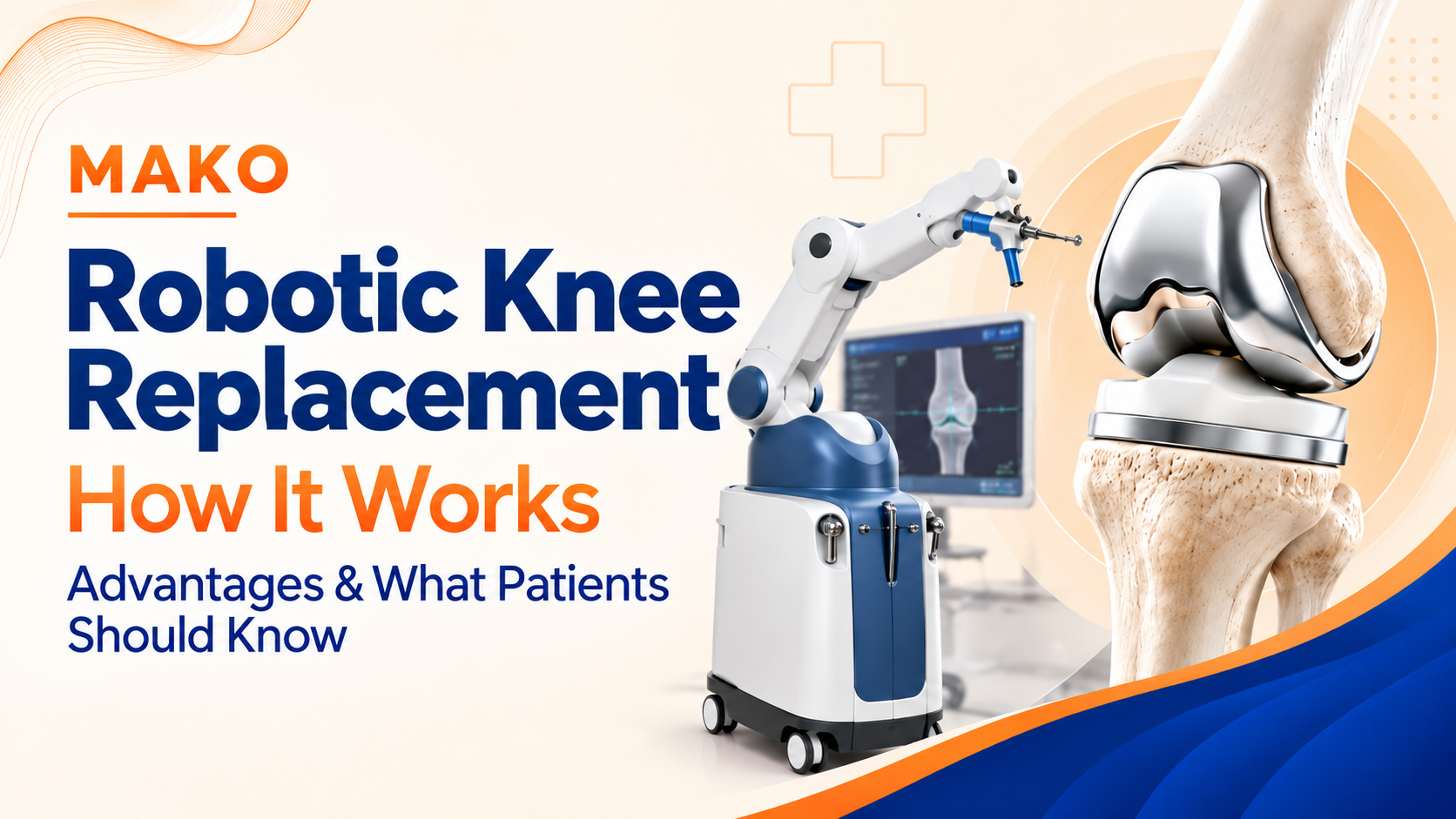
    Robotic knee surgery is an advanced approach used in knee replacement procedures where robotic technology assists the surgeon in planning and executing the operation with a higher level of accuracy. It is important to understand that the robot does not perform surgery on its own. The procedure remains fully controlled by the surgeon, while the robotic system provides real-time guidance, precision measurements and support during critical steps of surgery.

    In knee replacement, even small differences in alignment, implant positioning and soft tissue balance can influence comfort, movement and long-term function. Robotic assistance helps improve these aspects by allowing a more personalised surgical plan based on the patient’s anatomy.

    At Hunjan Hospital, robotic knee surgery is part of a modern orthopedic approach focused on precision, recovery and long-term outcomes.

    Why knee replacement has changed over time

    Traditional knee replacement surgery has helped many patients regain mobility for years. However, advances in orthopedic science have shown that every knee is structurally different. Bone shape, alignment pattern, ligament tension and movement mechanics vary from person to person.

    This is where robotic assistance becomes valuable. Instead of relying only on standard instruments and visual judgement, robotic systems allow surgeons to plan according to the patient’s individual knee structure.

    • Better understanding of joint alignment
    • More accurate implant placement
    • Improved soft tissue balancing
    • Greater consistency during surgery
    • A more customised approach rather than a one-size-fits-all method

    How robotic knee surgery works

    Robotic knee surgery usually follows a structured process before and during the operation.

    • Detailed assessment of the patient’s knee condition
    • Imaging and planning to understand joint damage and anatomy
    • Creation of a surgical plan based on individual measurements
    • Real-time robotic guidance during bone preparation
    • Assistance in positioning the implant accurately
    • Intraoperative adjustments based on knee movement and balance

    The surgeon remains in control throughout the procedure. The robotic system acts as an advanced tool that enhances decision-making and execution.

    What makes it different from standard surgery

    The main difference is not that surgery becomes automatic. The difference is that surgery becomes more data-guided.

    In conventional surgery, alignment and placement depend on instruments and surgical experience. In robotic surgery, experience is still essential, but technology adds an extra layer of measurable precision.

    • Implant placement can be more accurate
    • Bone cuts can be more controlled
    • Soft tissue balancing can be assessed dynamically
    • The plan can be adjusted during surgery if needed
    • Greater reproducibility from case to case

    For patients, this may translate into better comfort, smoother movement and improved confidence in the new joint.

    Who may benefit from robotic knee surgery

    Robotic knee surgery is often considered for patients who have significant knee arthritis, persistent pain and reduced quality of life despite medication, injections or physiotherapy. It may be especially helpful in patients where alignment issues, deformity or complex joint wear need careful planning.

    It is commonly considered in:

    • Advanced knee arthritis
    • Severe pain while walking or climbing stairs
    • Stiffness affecting daily routine
    • Bow-leg or knock-knee changes
    • Cases where accurate alignment is especially important
    • Patients seeking faster functional recovery with proper rehabilitation

    The final suitability depends on clinical examination and imaging.

    Common myths patients still believe

    Myth 1: The robot performs the surgery alone

    This is incorrect. The surgeon performs the operation. The robotic system assists with planning and precision.

    Myth 2: It is only for marketing

    Technology in surgery is adopted when it improves consistency and accuracy. Robotic systems are used because precision matters in joint replacement.

    Myth 3: If the robot fails, surgery fails

    The surgeon remains fully trained to continue and complete the procedure safely.

    Myth 4: It is only for young patients

    Suitability depends on knee condition, bone quality, overall health and functional goals, not age alone.

    Recovery after robotic knee surgery

    Recovery depends on surgical technique, pain control, physiotherapy, motivation and overall health. Robotic assistance can support better tissue handling and accurate placement, which may help recovery in selected patients.

    Many patients focus only on the surgery day, but recovery begins immediately afterward.

    • Early mobilisation is usually encouraged
    • Walking may begin with support as advised
    • Physiotherapy helps restore movement and strength
    • Swelling control and pain management are important
    • Daily activities improve gradually over weeks
    • Long-term success depends heavily on rehabilitation

    At Hunjan Hospital, the focus extends beyond the operation theatre to structured post-surgery recovery and guided physiotherapy.

    Why surgeon experience still matters most

    Technology does not replace surgical judgement. Robotic assistance is valuable only in experienced hands. Proper implant selection, handling of soft tissues, managing unexpected findings and decision-making during surgery all depend on the surgeon.

    This is why choosing a hospital with both technology and experience is important. A robot is a tool. Outcomes depend on how well that tool is used.

    Robotic Knee Surgery at Hunjan Hospital

    Hunjan Hospital has built a strong reputation in orthopedic care with decades of experience in joint replacement. By integrating robotic knee surgery into clinical practice, the hospital combines surgical expertise with advanced precision technology.

    Patients benefit from:

    • Experienced orthopedic leadership
    • Robotic-assisted knee replacement capability
    • Structured pre-surgery planning
    • Dedicated operation theatre systems
    • Rehabilitation and physiotherapy support
    • Patient-focused recovery pathways
    • 24/7 hospital care support

    The aim is not only to replace a knee, but to help restore confidence in movement and daily life.

    What patients should ask before choosing surgery

    • Is surgery now the right time for my knee condition?
    • Am I suitable for robotic knee replacement?
    • What recovery timeline should I expect?
    • What role will physiotherapy play afterward?
    • How many similar surgeries has the team performed?
    • What are realistic expectations for pain and movement?

    Good outcomes begin with informed decisions.

    Final thought

    Robotic knee surgery is not about replacing the surgeon with a machine. It is about giving an experienced surgeon better tools for precision, planning and consistency. For the right patient, this can make a meaningful difference in comfort, movement and long-term satisfaction.

    When combined with surgical expertise, proper rehabilitation and realistic expectations, robotic knee replacement becomes more than technology. It becomes a better pathway to mobility.

    Medical Disclaimer: The information in this article is for educational purposes only and does not replace professional medical advice, diagnosis, or treatment. Always consult a qualified doctor for medical concerns or treatment decisions. Outcomes may vary from patient to patient.

  • Mental Health is as Important as Physical Health

    Mental Health is as Important as Physical Health

    Understanding the Importance of Mental Health

    Most people take physical symptoms seriously. If there is fever, pain, weakness or breathing trouble, help is usually sought quickly. Mental health concerns are often treated differently. Stress is ignored, anxiety is normalised and emotional exhaustion is brushed aside as a phase.

    The truth is simple. Mental health influences how we think, feel, behave, work, rest and relate to others. It also affects physical health in many ways. When mental well-being is disturbed for a long time, the body often starts showing signs too.

    Good health is not only the absence of disease. It is the balance of body, mind and daily functioning.

    How mental health affects the body

    Many people separate mind and body, but both are deeply connected. Emotional stress can create real physical symptoms and long-term mental strain can affect overall health.

    • Ongoing stress may increase headaches, body aches and muscle tightness
    • Anxiety can disturb sleep, appetite and digestion
    • Low mood may reduce energy, motivation and daily activity
    • Chronic stress can affect blood pressure and heart health over time
    • Emotional burnout may lower concentration and memory performance
    • Poor mental health can worsen recovery from illness or surgery

    Sometimes the body asks for help before the mind does.

    Signs people often ignore

    Mental health concerns do not always look dramatic. Many people continue functioning while silently struggling.

    • Feeling mentally tired even after rest
    • Irritability over small issues
    • Overthinking everyday situations
    • Loss of interest in things once enjoyed
    • Difficulty sleeping despite exhaustion
    • Constant worry without a clear reason
    • Trouble focusing at work or home
    • Feeling emotionally numb or disconnected

    These signs are often mistaken for laziness, weakness or personality changes.

    What people rarely realise

    Mental health issues do not only affect emotions. They can quietly change behaviour, relationships and decision-making.

    • A stressed person may become withdrawn, not rude
    • An anxious person may avoid plans, not because they do not care but because they feel overwhelmed
    • Someone depressed may delay tasks, not because they are careless but because simple actions feel heavy
    • Chronic emotional strain may lead to unhealthy coping such as overeating, alcohol use or social isolation

    Many conflicts in families begin as misunderstood mental stress.

    Why people delay seeking help

    Physical pain is easier to explain. Emotional pain is harder to describe. That is one reason many people wait too long.

    • Fear of being judged
    • Belief that it will pass on its own
    • Comparing their struggle with others
    • Thinking help is only for severe cases
    • Not recognising symptoms early
    • Assuming stress is normal adult life

    By the time help is sought, the problem may already be affecting sleep, work and relationships.

    Mental health in everyday Indian life

    Many people manage responsibilities while carrying silent emotional pressure.

    • Students facing constant performance pressure
    • Working professionals balancing deadlines and family expectations
    • Parents carrying financial and emotional stress
    • Elderly individuals feeling loneliness after lifestyle changes
    • Caregivers neglecting their own mental health while caring for others

    Sometimes people look fine from outside because they have learned to function while struggling.

    Support through Hunjan Hospital’s Behavioural Health Department

    Mental health care becomes more effective when support is structured, private and guided by professionals. Hunjan Hospital’s Behavioural Health Department focuses on helping individuals understand emotional concerns and build practical coping strategies.

    People may seek support for:

    • Anxiety and constant worry
    • Stress related to work, family or studies
    • Low mood and emotional exhaustion
    • Sleep-related concerns linked to stress
    • Panic symptoms or fear-based thinking
    • Difficulty adjusting after illness or life changes

    The aim is not only symptom control, but helping individuals function better in daily life with confidence and stability.

    How to protect mental health daily

    Mental health care is not always therapy sessions or medication. It often begins with small consistent habits.

    • Maintain regular sleep timings
    • Reduce nonstop screen exposure
    • Move your body through walking or exercise
    • Speak openly with trusted people
    • Take breaks without guilt
    • Avoid carrying stress silently for too long
    • Set realistic boundaries at work and home
    • Seek professional support when symptoms continue

    Small habits do not solve everything, but they create resilience.

    When professional help should be considered

    Seeking help early often prevents deeper problems later.

    • Anxiety affecting daily routine
    • Sadness lasting for weeks
    • Panic symptoms
    • Anger becoming difficult to control
    • Sleep disruption for long periods
    • Relationship strain due to emotional distress
    • Loss of functioning at work or studies
    • Thoughts of hopelessness or self-harm

    Getting support is a responsible step, not a sign of weakness.

    What recovery actually looks like

    Many people expect instant change. Mental health recovery is usually gradual.

    • Better sleep may come before better mood
    • Calmness may improve before confidence returns
    • Energy may fluctuate during recovery
    • Some days feel easier than others
    • Progress often comes in patterns, not straight lines

    Healing is not dramatic in most cases. It is steady improvement.

    Final thought

    If the body deserves care when it hurts, the mind deserves care when it struggles. Ignoring emotional distress often delays healing in both mental and physical health.

    Strong people are not those who suppress everything. Strong people recognise when support is needed and take action.

    Mental health is not separate from life. It shapes the quality of life.

    Medical Disclaimer: The information in this article is for educational purposes only and does not replace professional medical advice, diagnosis, or treatment. Always consult a qualified doctor for medical concerns or treatment decisions. Outcomes may vary from patient to patient.

  • Risk of Delaying Surgery in Orthopedics

    Risk of Delaying Surgery in Orthopedics

    Why do people delay surgery?

    In orthopedic practice, it is quite common to see patients delay surgical intervention due to hesitation, fear, or the expectation that symptoms may settle with time. Many continue with medications, physiotherapy, or lifestyle adjustments, assuming that surgery can be safely postponed. However, while symptoms may temporarily improve, the underlying structural problem in the joint often continues to progress.

    What actually happens when you delay it?

    • The underlying joint damage continues to progress, often leading to further cartilage wear and joint degeneration
    • Pain becomes more persistent and less responsive to medication or conservative treatment
    • Range of motion gradually reduces, making movements more restricted
    • Compensatory patterns develop in the body, affecting posture and placing additional stress on surrounding joints

    Why the surgery becomes more complicated later

    From a clinical perspective, timing plays a critical role in surgical outcomes. As the condition advances, the joint environment becomes less favourable, which can increase the complexity of both the procedure and recovery.

    • Structural damage to the joint becomes more extensive
    • Surrounding soft tissues may lose strength and flexibility
    • Surgical correction may require more extensive intervention
    • Post-operative recovery and rehabilitation may take longer
    • Functional outcomes may not be as optimal as in earlier stages

    How it starts affecting everyday life

    Clinically, the impact becomes noticeable when routine activities begin to change.

    • Walking for longer durations becomes uncomfortable
    • Climbing stairs or getting up from a seated position becomes difficult
    • Daily movements start requiring more effort
    • Patients often begin modifying their routine to avoid pain

    The hidden impact people don’t notice

    Beyond the joint itself, delayed treatment can have wider effects on overall function.

    • Reduced activity levels can affect general health and fitness
    • Muscle strength around the affected joint gradually declines
    • Confidence in movement reduces, increasing hesitation or fear
    • Dependency on support or assistance may increase over time

    When should you actually consider it?

    Surgical intervention is generally considered when symptoms begin to significantly affect quality of life and conservative treatments are no longer providing adequate relief. Persistent pain, reduced mobility, and progressive functional limitation are key indicators. At this stage, timely evaluation and decision-making are important to prevent further deterioration.

    Final thought

    Delaying surgery is often perceived as a safer or more comfortable choice, but clinically, it can allow the condition to advance to a stage where management becomes more complex. Appropriate timing, based on thorough evaluation, plays a crucial role in achieving better outcomes and smoother recovery.

    Medical Disclaimer: The information in this article is for educational purposes only and does not replace professional medical advice, diagnosis, or treatment. Always consult a qualified doctor for medical concerns or treatment decisions. Outcomes may vary from patient to patient.