Blog

  • The Hidden Impact of Poor Posture on Back, Neck, Hip and Shoulder Pain

    The Hidden Impact of Poor Posture on Back, Neck, Hip and Shoulder Pain

    Poor posture is often blamed for every ache after a long day. Someone may say, “Sit straight,” “Do not bend,” or “Your phone posture is causing everything.” While posture can influence how the body feels, the issue is more complex than simply sitting in one “perfect” position.

    The real concern begins when the body stays in the same position for too long, repeatedly loads certain muscles and joints or starts compensating for pain in one area by overusing another. Over time, this can contribute to discomfort in the neck, back, shoulders and hips.

    What Poor Posture Really Means

    Posture is the way the body is held while sitting, standing, walking, working or resting. It is not only about whether the back looks straight. It also includes how the head, shoulders, spine, hips and feet work together during movement.

    A posture-related problem may develop when a person regularly:

    • Sits for long hours without changing position
    • Works on a laptop or phone with the head bent forward
    • Leans to one side while sitting or standing
    • Carries a bag on the same shoulder every day
    • Works with poor desk, chair or screen height
    • Sleeps in positions that strain the neck, shoulder or hip
    • Avoids movement because of pain or stiffness

    The body is designed to move. Even a reasonably good sitting posture can become uncomfortable when it is held for too long.

    Why Pain Can Spread From One Area to Another

    The body works as a connected system. When one area is stiff, weak or painful, another area may start doing extra work.

    For example, if the neck is held forward for long periods, the upper back and shoulder muscles may become tight. If the lower back is painful, a person may change the way they stand or walk, which can place extra stress on the hips. If one hip is stiff, the body may shift weight to the other side and affect the lower back or knee.

    This is why a person may begin with neck pain but later notice shoulder tightness, headaches or upper-back discomfort. Similarly, hip pain may sometimes be linked with lower-back stiffness or altered walking patterns.

    The Hidden Effect on the Neck

    Neck pain is common among people who use phones, laptops or screens for long hours. Looking down for extended periods can place strain on the muscles that support the head and neck.

    People may notice:

    • Stiffness when turning the head
    • Pain at the base of the neck
    • Tightness around the shoulders
    • Headaches that begin from the neck area
    • Pain after long phone use or desk work
    • Discomfort while driving or sleeping

    Neck pain is not always caused by posture alone. It can also be related to muscle strain, cervical spine conditions, nerve irritation or previous injury. Persistent symptoms should be evaluated rather than managed only with massage or painkillers.

    How Poor Posture Can Affect the Shoulders

    The shoulders depend on good coordination between the shoulder joint, shoulder blade, upper back and neck. Rounded shoulders, prolonged desk work and repeated overhead activity can make shoulder muscles work in an unbalanced way.

    A person may start experiencing:

    • Pain while lifting the arm
    • Discomfort when reaching overhead
    • Tightness around the shoulder blade
    • Pain while carrying a bag
    • Difficulty sleeping on one side
    • Weakness or discomfort during household work

    Sometimes, people avoid moving the shoulder because of pain. This can lead to more stiffness and reduced movement over time. In some cases, shoulder pain may be due to rotator cuff problems, frozen shoulder, arthritis or neck-related nerve irritation.

    The Link Between Posture and Back Pain

    Back pain can be affected by long sitting, slouching, repeated bending, poor lifting technique and reduced core strength. However, not every back pain is caused by poor posture.

    Lower-back discomfort may feel worse after sitting for long periods, standing for too long, driving, lifting objects or getting up after rest. It may also be linked with weak muscles, spinal disc problems, arthritis, injury or changes in the way a person walks.

    Common signs include:

    • Stiffness after sitting or waking up
    • Pain while bending or lifting
    • Discomfort after long travel
    • Muscle tightness around the lower back
    • Pain that spreads to the buttock or leg
    • Difficulty standing straight after sitting

    Pain that travels down the leg, causes numbness or weakness or affects bladder or bowel control needs urgent medical attention.

    Why Hip Pain Is Often Missed

    Hip pain is often mistaken for back pain, thigh pain or simple muscle strain. In reality, the hip joint plays a major role in walking, standing, sitting and balance.

    Poor sitting habits, reduced movement, weak hip muscles and altered walking patterns may contribute to hip discomfort. However, hip pain can also be caused by arthritis, bursitis, tendon problems, injury or pain referred from the lower back.

    Hip-related symptoms may include:

    • Pain in the groin, buttock or upper thigh
    • Stiffness after sitting
    • Difficulty getting in or out of a car
    • Pain while walking or climbing stairs
    • Discomfort while turning in bed
    • Trouble wearing socks or shoes
    • A limp or reduced walking distance

    Persistent hip pain should not be treated only as “back pain” without a proper assessment.

    Everyday Habits That Can Add Stress to the Body

    Posture-related discomfort often develops through routine habits rather than one major event.

    Common examples include:

    • Looking down at a phone for long periods
    • Working from bed or a low sofa with a laptop
    • Sitting through long meetings without standing
    • Driving for hours without breaks
    • Carrying a child, bag or weight on one side
    • Standing with weight mostly on one leg
    • Repeatedly bending from the waist instead of using the legs
    • Sleeping with inadequate neck or hip support
    • Avoiding exercise because movement feels uncomfortable

    These habits do not always cause serious joint disease, but they can increase muscle fatigue, stiffness and strain.

    What Can Help Improve Posture-Related Pain?

    The goal is not to hold one rigid posture all day. The goal is to reduce prolonged strain and improve movement habits.

    Helpful changes may include:

    • Changing position regularly during work or travel
    • Taking short movement breaks after prolonged sitting
    • Keeping screens closer to eye level
    • Using a chair that supports the lower back
    • Keeping both feet supported while sitting
    • Avoiding long periods of phone use with the head bent down
    • Using proper technique while lifting objects
    • Gradually improving core, hip and shoulder strength with professional guidance
    • Following physiotherapy exercises if recommended

    If an exercise causes sharp pain, numbness, worsening symptoms or dizziness, it should be stopped and discussed with a qualified professional.

    When Should You See an Orthopedic Doctor?

    A doctor should assess pain that is persistent, worsening or affecting daily life.

    Seek an orthopedic consultation if you have:

    • Pain lasting more than a few weeks
    • Repeated neck, back, hip or shoulder pain
    • Pain that affects sleep, work or routine movement
    • Reduced movement in the shoulder, neck or hip
    • Pain after a fall, injury or accident
    • Numbness, tingling or weakness in the arm or leg
    • Pain that travels down the arm or leg
    • Difficulty walking, balancing or standing
    • Sudden severe pain or loss of bladder or bowel control

    The right evaluation can help determine whether the issue is related to muscle strain, posture, a joint condition, nerve irritation or another underlying cause.

    Treatment Depends on the Actual Cause

    Treatment should be based on the cause of pain, not only the location where it is felt. Some people may benefit from physiotherapy, strengthening, movement correction, activity modification or medicines prescribed by a doctor.

    Others may require imaging, injections or surgical treatment if there is a significant injury, advanced arthritis, nerve compression or another structural problem.

    A proper consultation helps avoid two common mistakes: ignoring persistent pain for too long or assuming that every pain needs surgery.

    Orthopedic Consultation at Hunjan Hospital

    At Hunjan Hospital, patients with persistent back, neck, hip or shoulder pain can seek orthopedic consultation to understand the likely cause of their symptoms and discuss suitable treatment options.

    The approach may include clinical assessment, movement evaluation, imaging guidance when required and physiotherapy or orthopedic treatment planning based on the individual condition.

    For patients with advanced knee or hip joint damage who are considered suitable after evaluation, joint replacement surgery is starting from ₹90,000* through the Joint Replacement Mega Camp. Cashless facility is available, subject to insurance approval.

    Hunjan Hospital brings over 40 years of orthopaedic experience, 23,000+ joint replacements, experienced doctors and physiotherapy support to help patients make informed treatment decisions.

    Final Thought

    Poor posture may not be the only reason for pain, but repeated strain, prolonged sitting and reduced movement can affect the way the neck, back, hips and shoulders feel over time.

    When pain keeps returning, spreads to other areas or starts changing how you work, sleep, walk or move, it deserves more than temporary relief. A timely orthopedic consultation can help identify the cause and guide the right next step.

    Medical Disclaimer: The information in this article is for educational purposes only and does not replace professional medical advice, diagnosis, or treatment. Always consult a qualified doctor for medical concerns or treatment decisions. Treatment suitability, recovery time and outcomes vary from patient to patient depending on individual health, age, medical conditions, diagnosis and rehabilitation participation.

  • Can You Delay Knee Replacement? What Happens When Severe Joint Pain Is Left Untreated

    Can You Delay Knee Replacement? What Happens When Severe Joint Pain Is Left Untreated

    Knee replacement is a major decision. It is understandable that many people want to wait, try medicines, use home remedies or adjust their routine before considering surgery.

    For some patients, delaying surgery may be appropriate. Knee pain does not always mean that a replacement is needed immediately. However, when pain is severe, joint damage is advanced and daily movement is becoming difficult, delaying treatment for too long can affect more than the knee itself.

    The important question is not only, “Can I delay knee replacement?” It is also, “What is this pain already stopping me from doing?”

    When Delaying May Be Reasonable

    A knee replacement is not the first treatment for every person with knee pain. If symptoms are mild or manageable, a doctor may recommend non-surgical options first.

    These may include physiotherapy, muscle-strengthening exercises, activity modification, weight management support, medicines prescribed by a doctor or other treatments based on the diagnosis.

    Delaying surgery may be reasonable when:

    • Pain is occasional and does not significantly affect daily life
    • Walking and stairs are still manageable
    • The knee has good movement and stability
    • Symptoms improve with suitable non-surgical treatment
    • X-rays and clinical evaluation do not show advanced joint damage
    • The patient is able to remain active without regularly depending on painkillers

    The decision should be based on a proper orthopedic consultation, not only on age, fear or someone else’s recovery story.

    When Severe Knee Pain Starts Changing Daily Life

    Many people do not describe their condition as “severe” because they have slowly learned to live around it. Instead, they say things like:

    “I do not sit on the floor anymore.”
    “I avoid stairs.”
    “I only go to the market when necessary.”
    “I need support to get up from a chair.”
    “I wake up at night because of pain.”
    “I cannot walk for long.”

    These are important signs. When knee pain begins affecting routine movement, independence, sleep and confidence, it may be time to discuss whether the current treatment plan is still enough.

    What Can Happen When Advanced Joint Pain Is Left Untreated

    Not every patient who delays knee replacement will develop the same problems. However, severe and ongoing pain can lead to changes that make daily life more difficult over time.

    Reduced Movement and Muscle Weakness

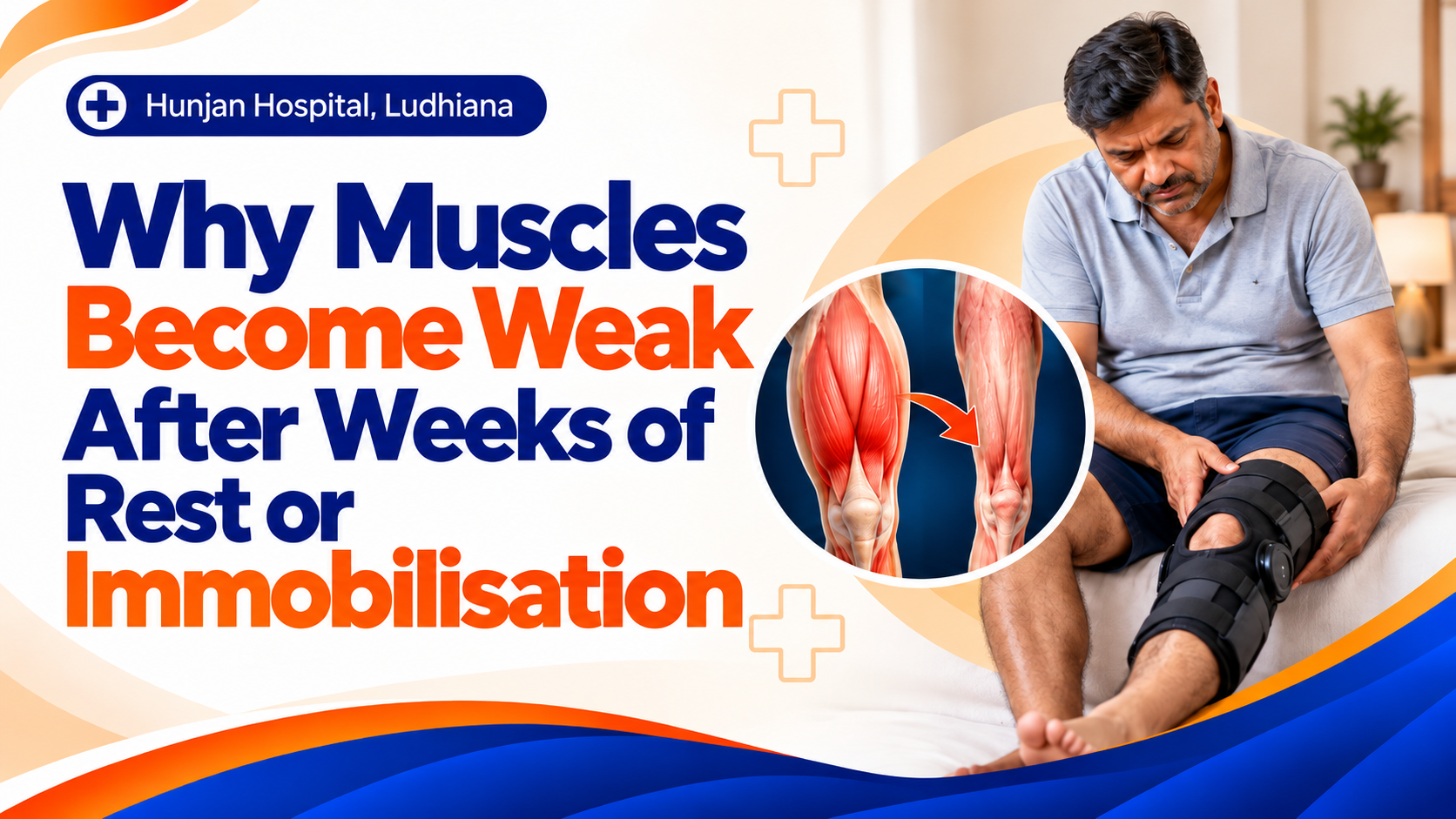
    When the knee hurts, people naturally walk less, avoid stairs and limit activity. Over time, the thigh and hip muscles may become weaker.

    Weak muscles provide less support to the knee. This can make standing, walking and balancing more difficult, even on days when pain is slightly better.

    Increasing Stiffness

    A painful knee is often kept in a limited range of movement. People may stop bending it fully, avoid sitting low or keep the leg straight for comfort.

    This can gradually increase stiffness and make it harder to perform simple activities such as getting into a car, using the washroom, sitting on a chair or climbing stairs.

    Loss of Balance and Confidence

    Pain can change the way a person walks. They may put more weight on the other leg, take shorter steps or hold furniture and walls for support.

    This can affect balance and increase the risk of falls. It can also create fear around walking outside, travelling or moving in crowded places.

    Stress on the Other Knee, Hip and Back

    When one knee is painful, the body often shifts weight to the other side. This may place extra stress on the opposite knee, hip, lower back and ankle.

    Over time, people may begin noticing pain in more than one area. This does not always mean that every joint is damaged, but it can make movement and recovery more challenging.

    Dependence on Painkillers

    Some people begin taking pain medicines regularly just to manage work, sleep or household responsibilities. Pain relief may be useful when prescribed appropriately, but repeated self-medication without evaluation can hide worsening symptoms and may not address the underlying joint problem.

    A long-term treatment plan should be discussed with a qualified doctor.

    Reduced Independence

    One of the biggest effects of untreated severe knee pain is loss of independence. A person may start needing help with stairs, getting up from bed, travelling, shopping or basic household work.

    This can affect confidence, mood and participation in family life. For many patients, the decision to seek treatment is not only about pain relief. It is about returning to a more independent routine.

    Does Waiting Make Knee Replacement More Difficult?

    The answer is different for every patient. Delaying surgery does not automatically mean that the procedure will become unsafe or unsuccessful.

    However, if pain leads to major stiffness, reduced muscle strength, poor walking pattern or significant loss of mobility, rehabilitation after surgery may feel more demanding. A patient who has been inactive for a long time may need more time to rebuild strength and confidence during recovery.

    This is why the goal should not be to rush into surgery. The goal should be to seek timely guidance before pain causes avoidable limitations.

    How Do You Know It May Be Time to Discuss Knee Replacement?

    A doctor may discuss knee replacement when non-surgical treatment is no longer giving adequate relief and knee pain is affecting quality of life.

    Consider an orthopedic consultation if you have:

    • Knee pain on most days
    • Pain that affects sleep
    • Difficulty walking, using stairs or standing for long periods
    • Pain that limits work, travel or household activities
    • Increasing stiffness or reduced knee movement
    • Frequent swelling
    • Dependence on pain medicines for daily activities
    • X-rays showing advanced arthritis or joint damage
    • Physiotherapy and other non-surgical treatments that are no longer helping enough

    A recommendation for surgery should always be based on symptoms, examination findings, imaging when needed, overall health and the patient’s goals.

    Knee Replacement Is Not Only About Age

    Many people believe they are either “too young” or “too old” for knee replacement. Age is important, but it is not the only factor.

    Doctors also consider pain level, joint damage, medical conditions, mobility, strength, activity needs and the ability to participate in rehabilitation after surgery.

    The right time for surgery is different for every patient. It should be decided through a detailed orthopedic consultation.

    What Happens During a Knee Replacement Consultation?

    A consultation is not a commitment to surgery. It is an opportunity to understand the condition and discuss the available options.

    During the consultation, the orthopedic team may:

    • Ask about pain, stiffness and daily movement difficulties
    • Check knee movement, stability and walking pattern
    • Review previous treatment and medical history
    • Recommend X-rays or other tests if clinically needed
    • Discuss whether non-surgical treatment may still help
    • Explain if knee replacement may be suitable
    • Discuss recovery, physiotherapy and post-operative care
    • Provide guidance about treatment planning and costs

    The purpose is to help the patient make an informed decision, not to push every patient towards surgery.

    Joint Replacement Mega Camp at Hunjan Hospital

    At Hunjan Hospital’s Joint Replacement Mega Camp, patients with persistent knee or hip pain can come for an orthopedic consultation and receive guidance on the appropriate next step for their condition.

    The camp is designed to help patients understand their symptoms, treatment options and recovery process before making a decision. For suitable patients, knee and hip replacement surgery is starting from ₹90,000*.

    Hunjan Hospital offers over 40 years of orthopaedic experience, 23,000+ joint replacements, experienced doctors, hospital care and physiotherapy support for patients before and after surgery. Cashless facility is available, subject to insurance approval.

    Final Thought

    Delaying knee replacement can be appropriate for some patients, especially when symptoms are manageable and non-surgical treatment is helping. But severe pain should not be ignored until it takes away your ability to walk comfortably, sleep peacefully or manage daily life independently.

    The right step is not always immediate surgery. It is timely orthopedic consultation, clear information and a treatment plan based on your individual condition.

    Medical Disclaimer: The information in this article is for educational purposes only and does not replace professional medical advice, diagnosis, or treatment. Always consult a qualified doctor for medical concerns or treatment decisions. Treatment suitability, recovery time and outcomes vary from patient to patient depending on individual health, age, medical conditions, diagnosis, severity of joint damage and rehabilitation participation.

  • Why Knee Pain Feels Worse After Sitting: What Your Body May Be Telling You

    Why Knee Pain Feels Worse After Sitting: What Your Body May Be Telling You

    Why Knee Pain Feels Worse After Sitting: What Your Body May Be Telling You

    You sit through a meeting, watch television, travel in the car or rest after a long day. But when it is time to stand up, the first few steps can feel difficult. The knee may feel stiff, painful or as if it needs time to “start moving” again.

    Many people dismiss this as a normal part of ageing or temporary weakness. However, when knee pain repeatedly feels worse after sitting, it can be a sign that the knee joint, surrounding muscles or movement pattern needs attention.

    The “First Few Steps” Problem

    A common complaint is: “Once I start walking, it gets a little better.” The discomfort is often strongest after sitting for a long time, getting out of bed in the morning or standing up after travelling.

    This happens because the knee remains in one position during sitting. The joint does not move through its normal range, the muscles around it become less active and stiffness can become more noticeable. When you stand, the knee suddenly has to take body weight again.

    For some people, this lasts only a few steps. For others, it affects getting up from the sofa, using the washroom at night, leaving the car or standing after prayer.

    Why Sitting Can Make Knee Pain More Noticeable

    The knee is not only a hinge joint. It works with the thigh muscles, kneecap, ligaments, cartilage and surrounding tissues. When any of these structures are irritated or weak, sitting for a long time can make discomfort more obvious.

    Common reasons include:

    • Knee osteoarthritis: Wear and tear in the joint can cause stiffness, pain and reduced smooth movement, especially after rest.
    • Weak thigh muscles: The muscles around the knee help support body weight. When they are weak, standing after sitting may feel more difficult.
    • Kneecap-related pain: Pain at the front of the knee may become noticeable after sitting with bent knees for a long time.
    • Joint inflammation: Swelling or irritation inside the knee can make it feel tight and stiff after inactivity.
    • Previous injury: An old ligament injury, fracture or meniscus problem can affect how the knee handles pressure over time.
    • Reduced movement during the day: Long hours of sitting can reduce flexibility and make stiffness more noticeable when you stand.

    The same symptom can have different causes. That is why repeated pain should not be self-diagnosed only through online information.

    Everyday Situations That Can Become Difficult

    Knee pain after sitting often starts with small adjustments that people do not notice immediately. You may begin pushing yourself up from the chair using your hands. You may choose a chair instead of sitting on the floor. You may take a moment before walking after getting out of the car.

    Over time, people may also start avoiding:

    • Long car journeys
    • Sitting through family functions
    • Low sofas or floor seating
    • Stairs after resting
    • Getting up quickly at night
    • Long office hours without movement
    • Market visits or walks that require frequent sitting and standing

    These changes may seem manageable at first, but they can gradually reduce confidence in movement and make the muscles around the knee weaker.

    Is It Always Arthritis?

    No. Knee pain after sitting does not automatically mean arthritis or that surgery is needed.

    It may be related to muscle weakness, kneecap irritation, an old injury, weight-related stress on the joint, poor movement habits or inflammation. In some cases, pain may also be referred from the hip or lower back.

    The important question is not only, “Does my knee hurt?” It is also, “How often does it happen, what activities trigger it and is it changing my daily life?”

    When Should You Seek an Orthopedic Consultation?

    An occasional mild ache after sitting may improve with rest, gentle movement and appropriate activity changes. But an orthopedic consultation is advisable if the pain is becoming frequent, worsening or affecting routine activities.

    Consider getting checked if you notice:

    • Pain or stiffness after sitting that happens regularly
    • Difficulty getting up from a chair, bed or car
    • Pain while walking, climbing stairs or standing for long periods
    • Swelling around the knee
    • A feeling that the knee may give way
    • Reduced ability to bend or straighten the knee
    • Pain that affects sleep or daily work
    • Increasing dependence on support while walking

    An evaluation may include understanding your symptoms, checking knee movement and strength and recommending tests only when clinically needed.

    What Can Help Before Your Consultation?

    Small changes can sometimes reduce stiffness, but they should not replace a medical evaluation when symptoms are persistent.

    You may find it helpful to:

    • Avoid sitting in the same position for very long periods
    • Stand and move gently at regular intervals
    • Use a chair with proper support rather than very low seating
    • Avoid sudden twisting movements
    • Wear stable footwear
    • Follow only doctor- or physiotherapist-advised exercises
    • Avoid repeatedly taking painkillers without medical guidance

    Do not force deep bends, heavy exercise or stretches that increase pain significantly.

    Treatment Depends on the Cause

    The right treatment depends on what is causing the knee pain and how much it is affecting your movement. Many patients may benefit from physiotherapy, strengthening exercises, activity modification, weight management guidance or medicines prescribed by a doctor.

    For advanced joint damage, persistent pain and significant difficulty in daily activities, joint replacement may be considered for suitable patients after a detailed orthopedic assessment. It is not the first answer for every knee problem.

    Joint Replacement Mega Camp at Hunjan Hospital

    At Hunjan Hospital’s Joint Replacement Mega Camp, patients with ongoing knee or hip pain can come for an orthopedic consultation, discuss their symptoms and receive guidance on the suitable next step for their condition.

    The focus is on understanding the problem before deciding treatment. For suitable patients, knee and hip replacement surgery is starting from ₹90,000*. Cashless facility is available, subject to insurance approval.

    Hunjan Hospital brings over 40 years of orthopaedic experience, 23,000+ joint replacements, experienced doctors and physiotherapy support to help patients through their treatment and recovery journey.

    Final Thought

    Pain after sitting is not always a serious condition, but it should not become something you simply adjust your life around. When getting up from a chair, car or bed repeatedly feels difficult, it may be your body’s way of asking for attention.

    A timely orthopedic consultation can help you understand the cause, protect your movement and make informed decisions about treatment.

    Medical Disclaimer: The information in this article is for educational purposes only and does not replace professional medical advice, diagnosis, or treatment. Always consult a qualified doctor for medical concerns or treatment decisions. Treatment suitability, recovery time and outcomes vary from patient to patient depending on individual health, age, medical conditions, diagnosis and rehabilitation participation.

  • Hip and Shoulder Pain: The Joint Problems Nobody Talks About

    Hip and Shoulder Pain: The Joint Problems Nobody Talks About

    Why Hip and Shoulder Pain Often Gets Ignored

    Knee pain is usually easy to notice because it affects walking, stairs and daily movement. Hip and shoulder pain, however, are often ignored for much longer. People may assume shoulder pain is due to sleeping in the wrong position or believe hip pain is simply back pain, muscle strain or age-related stiffness.

    The problem is that both the hip and shoulder are major joints. When pain continues, movement becomes limited and daily activities slowly start changing around the discomfort. Early assessment can help identify the cause before the joint becomes more difficult to manage.

    Hip Pain Is Not Always Felt Directly at the Hip

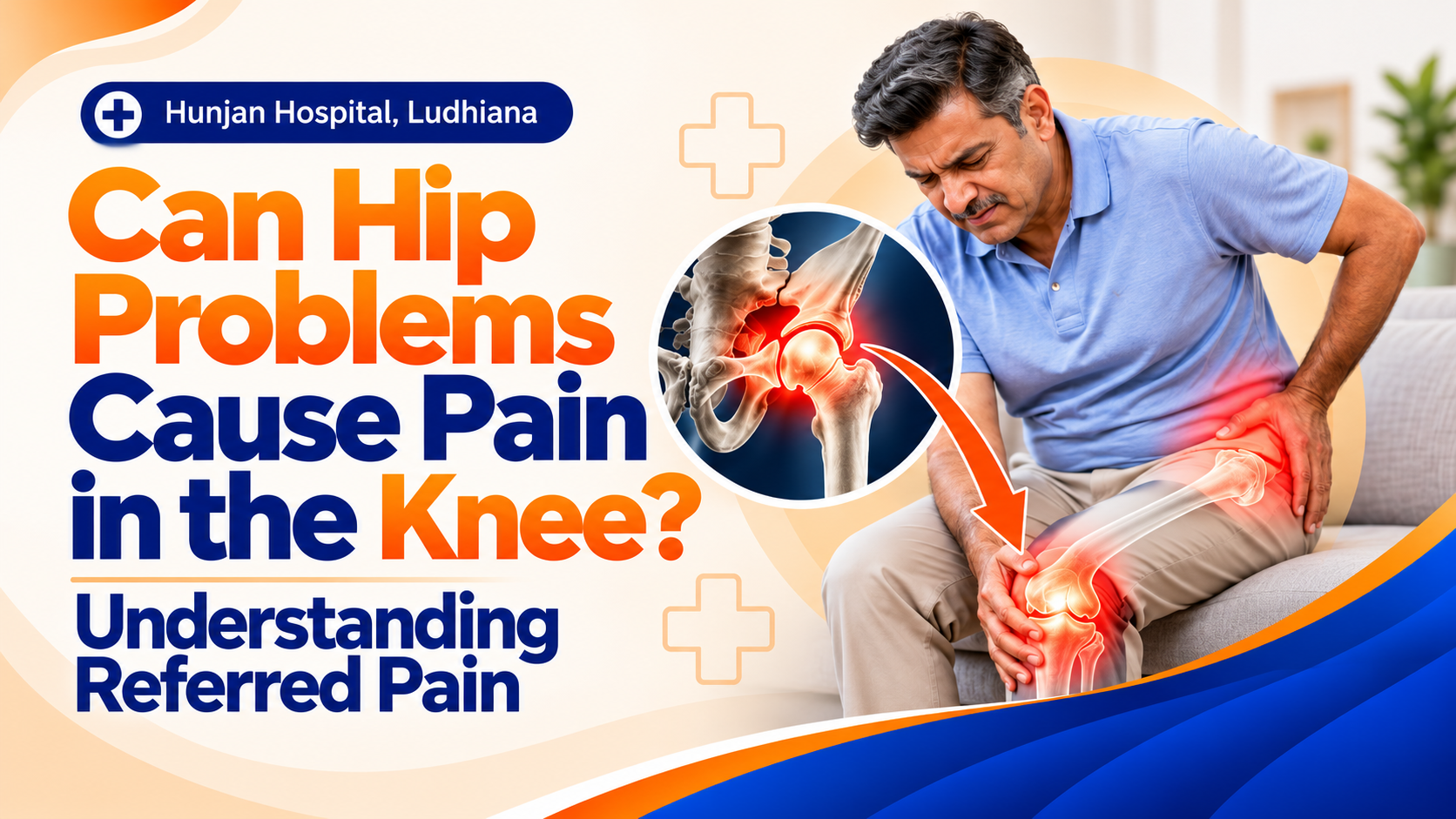
    Hip pain can be confusing because it may not always be felt on the outer side of the hip. In many cases, the pain may be felt in the groin, buttock, thigh or even the knee. This is one reason why people may delay getting the right evaluation.

    A person with hip joint problems may notice:

    • Pain in the groin or upper thigh
    • Difficulty standing after sitting for a long time
    • Pain while walking or climbing stairs
    • Trouble wearing socks or shoes
    • Stiffness while getting in or out of a car
    • Discomfort while turning in bed
    • A limp or reduced walking distance

    When these symptoms continue, they should not be treated only as routine body pain.

    Common Causes of Hip Pain

    Hip pain can develop because of joint wear, injury, inflammation or problems in surrounding muscles and tendons. The correct cause needs to be identified before treatment is planned.

    Common causes include:

    • Hip arthritis: Wear and tear of the hip joint can lead to pain, stiffness and reduced movement.
    • Muscle or tendon strain: Overuse, sudden activity or poor movement patterns can affect the muscles around the hip.
    • Bursitis: Inflammation around the outer hip can cause pain while walking, lying on one side or climbing stairs.
    • Referred pain from the back: Lower back conditions can sometimes cause pain that is felt around the hip or leg.
    • Previous injury: An old fall, fracture or untreated injury may affect joint function over time.
    • Reduced blood supply to the hip bone: In some cases, the bone tissue may become damaged due to reduced blood supply and requires early orthopedic attention.

    Not every hip problem needs surgery, but persistent symptoms should be assessed properly.

    Shoulder Pain Can Affect More Than Arm Movement

    The shoulder is one of the most mobile joints in the body. It allows us to reach overhead, lift objects, dress, wash hair, sleep comfortably and perform routine work. Because it moves in many directions, it is also more likely to develop problems involving muscles, tendons, ligaments and the joint itself.

    Shoulder pain can slowly affect daily life. People may stop lifting their arm fully, avoid carrying bags, sleep on one side only or depend on the other arm for simple tasks.

    Common signs include:

    • Pain while lifting the arm
    • Difficulty reaching overhead
    • Pain while combing hair or wearing clothes
    • Night pain or disturbed sleep
    • Weakness while lifting or carrying objects
    • Stiffness or reduced shoulder movement
    • Clicking, catching or a feeling that the shoulder is not moving smoothly

    Common Causes of Shoulder Pain

    Shoulder pain may come from the joint, the muscles around it or the tendons that support movement.

    Common causes include:

    • Rotator cuff problems: The tendons around the shoulder may become irritated, weak or torn.
    • Frozen shoulder: The shoulder becomes painful and stiff, with movement gradually reducing.
    • Shoulder arthritis: Wear and tear in the joint can cause pain, stiffness and difficulty with daily movement.
    • Shoulder impingement: Certain movements can cause irritation in the shoulder, especially while reaching overhead.
    • Dislocation or instability: A past injury may make the shoulder feel loose, weak or prone to repeated pain.
    • Neck-related pain: Some neck conditions can cause pain that travels into the shoulder or arm.

    A detailed examination helps determine whether the pain is coming from the shoulder joint itself, the neck or the surrounding tissues.

    The Everyday Signs People Commonly Adjust To

    Hip and shoulder pain often become serious slowly because people keep adjusting their routine instead of seeking help.

    With hip pain, people may start:

    • Avoiding stairs
    • Walking slower
    • Using support while standing
    • Avoiding long travel
    • Sitting down to wear clothes
    • Taking shorter steps

    With shoulder pain, people may start:

    • Avoiding overhead shelves
    • Using the other arm for lifting
    • Sleeping in uncomfortable positions
    • Avoiding exercise or household work
    • Asking someone else to carry items
    • Limiting arm movement because of fear of pain

    These changes may seem small, but they can gradually reduce strength, mobility and independence.

    When Hip or Shoulder Pain Needs Medical Attention

    Not every episode of pain requires urgent treatment. However, a doctor should evaluate symptoms that are persistent, worsening or affecting daily function.

    Consult an orthopedic doctor if you have:

    • Pain lasting more than a few weeks
    • Pain that affects sleep
    • Increasing stiffness or reduced movement
    • Difficulty walking, lifting the arm or performing routine tasks
    • Swelling, redness or warmth around the joint
    • Pain after a fall or injury
    • Sudden weakness in the arm or leg
    • Pain that is not improving with rest

    Early diagnosis can make treatment simpler and may help avoid prolonged joint damage.

    Treatment Depends on the Cause, Not Only the Pain Level

    Hip and shoulder pain should not be managed with the same treatment for every person. The right plan depends on the cause, severity, age, activity level and overall health of the patient.

    Treatment may include:

    • Activity modification and movement guidance
    • Pain management as advised by the treating doctor
    • Physiotherapy to improve strength, flexibility and joint control
    • Targeted rehabilitation for posture, walking or shoulder movement
    • Imaging and clinical evaluation when needed
    • Injections in selected cases
    • Surgical treatment when joint damage or tendon injury is advanced

    The aim is not only to reduce pain temporarily but to restore useful movement and prevent further limitation.

    The Role of Physiotherapy in Hip and Shoulder Recovery

    Physiotherapy can be especially valuable for hip and shoulder problems because both joints depend heavily on surrounding muscles for stability and movement.

    For hip pain, rehabilitation may focus on improving hip strength, walking pattern, balance and flexibility. For shoulder pain, it may focus on restoring safe movement, strengthening the rotator cuff and improving shoulder blade control.

    A structured programme can help patients return to daily activities gradually without placing unnecessary stress on the joint.

    When Surgery May Be Considered

    Surgery is not the first option for every patient. It may be considered when pain remains severe despite appropriate non-surgical treatment, movement is significantly affected or imaging shows advanced joint damage or a major injury.

    Hip replacement may be considered in advanced arthritis when pain and stiffness affect walking, sleep and daily life. Shoulder surgery may be considered for certain tendon tears, repeated instability or advanced arthritis when other treatment options are not providing adequate relief.

    The decision should always be based on a detailed orthopedic evaluation and realistic discussion about recovery.

    How Hunjan Hospital Approaches Hip and Shoulder Problems

    At Hunjan Hospital, hip and shoulder pain is assessed with attention to the patient’s symptoms, movement limitations and daily needs. The focus is on identifying the source of pain and planning care according to the individual condition.

    The approach may include:

    • Orthopedic evaluation and clinical examination
    • Assessment of movement, strength and daily function
    • Imaging guidance when required
    • Physiotherapy and rehabilitation support
    • Non-surgical treatment planning for suitable cases
    • Surgical care when clinically indicated
    • Post-operative rehabilitation and follow-up guidance

    The goal is to help patients regain comfortable movement and return to everyday activities with greater confidence.

    Final Thought

    Hip and shoulder pain may not receive as much attention as knee pain, but they can affect independence, sleep, work and quality of life in equally important ways. Ignoring persistent pain often leads to more limitations over time.

    The right approach is to understand the cause early, follow a suitable treatment plan and focus on restoring movement before daily life becomes restricted.

    Medical Disclaimer: The information in this article is for educational purposes only and does not replace professional medical advice, diagnosis, or treatment. Always consult a qualified doctor for medical concerns or treatment decisions. Treatment suitability, recovery time and outcomes vary from patient to patient depending on individual health, age, medical conditions, diagnosis and rehabilitation participation.

  • Why Physiotherapy Decides How Well Your Surgery Actually Heals

    Why Physiotherapy Decides How Well Your Surgery Actually Heals

    Surgery Repairs the Problem, Physiotherapy Restores the Function

    A successful surgery is not only judged by what happens inside the operation theatre. Whether it is knee replacement, hip replacement, fracture fixation, ligament repair or spine surgery, the body still needs to regain movement, strength, balance and confidence afterward. This is where physiotherapy becomes an essential part of recovery.

    Surgery may correct a damaged joint, repair a bone or stabilise an injury, but it does not automatically restore the way a person walks, climbs stairs, bends, stands or performs daily activities. Physiotherapy helps the body adapt to the surgical repair in a safe and structured way.

    Why the Body Feels Weak After Surgery

    After surgery, the body naturally protects the operated area. Pain, swelling, fear of movement and time spent resting can make muscles weaker very quickly. Even when the surgery has gone well, the patient may feel stiff, unstable or hesitant while moving.

    This does not always mean something is wrong. It is often part of the recovery process. However, if movement is delayed for too long or exercises are not followed properly, stiffness and weakness can become more difficult to improve later.

    What Physiotherapy Actually Does After Surgery

    Physiotherapy is not simply a few exercises given after discharge. It is a planned rehabilitation process based on the type of surgery, healing stage and individual condition of the patient.

    A physiotherapist helps patients gradually improve:

    • Joint movement and flexibility
    • Muscle strength around the operated area
    • Balance and stability
    • Walking pattern and posture
    • Ability to sit, stand and use stairs safely
    • Confidence in using the operated limb
    • Endurance for daily activities

    The programme is adjusted as recovery progresses. What is safe in the first week may be different from what is appropriate after six weeks.

    The First Goal Is Not Strength, It Is Safe Movement

    Many patients think physiotherapy begins only when they feel strong enough to exercise. In reality, early rehabilitation often begins with simple movements that help prevent stiffness, improve circulation and prepare the body for recovery.

    In the initial stage, physiotherapy may focus on:

    • Safe bed movement and changing position
    • Breathing and circulation exercises
    • Gentle muscle activation
    • Learning how to stand with support
    • Walking with a walker, crutches or stick if advised
    • Correct use of stairs and sitting positions
    • Basic exercises to maintain joint movement

    The purpose is not to push the body too hard. It is to prevent unnecessary loss of movement and strength while the surgical area heals.

    Why Skipping Exercises Can Affect Recovery

    Patients may skip physiotherapy because of pain, tiredness, fear or the belief that walking around the house is enough. While rest is important, prolonged inactivity can make recovery slower and more difficult.

    Without regular rehabilitation, patients may experience:

    • Persistent stiffness
    • Weak muscles around the joint
    • Difficulty walking without support
    • Poor balance and higher risk of falls
    • Fear of bending or using the operated limb
    • Reduced ability to climb stairs or return to routine tasks
    • Longer dependence on family members

    The body learns movement through repetition. If it is not guided to move correctly, it may develop compensations that place stress on other joints or the back.

    Pain During Physiotherapy: What Is Expected and What Is Not

    Some discomfort during rehabilitation can be expected, especially in the early phase. Muscles that have been weak or inactive may feel sore when they start working again. Mild stretching discomfort, tiredness after exercise and temporary swelling after increased activity can also occur.

    However, severe pain, sudden swelling, new weakness, wound-related concerns or pain that keeps worsening should be discussed with the treating doctor or physiotherapist. Patients should not force exercises through severe pain or copy exercises from online videos without guidance.

    Why Recovery Timelines Are Different for Everyone

    Two patients may undergo the same surgery but recover at different speeds. This is normal. Recovery depends on more than the procedure itself.

    Important factors include:

    • Age and overall health
    • Diabetes, heart conditions or other medical concerns
    • Strength and mobility before surgery
    • Severity of injury or joint damage
    • Type of surgery and surgical technique
    • Pain control and wound healing
    • Regularity of physiotherapy
    • Nutrition, sleep and emotional support
    • Home environment and ability to move safely

    A slower recovery does not always mean a poor result. The focus should be on steady improvement, not comparison with another patient.

    Physiotherapy Helps Patients Return to Real Life

    The goal of rehabilitation is not only to improve movement inside a clinic. It is to help patients return to the activities that matter in daily life.

    For one person, this may mean walking comfortably to the market. For another, it may mean using stairs without fear, returning to work, sitting for longer periods or being able to care for family members independently.

    Physiotherapy connects the surgical result with practical life. It helps patients move in a way that is safer, stronger and more confident.

    Common Mistakes Patients Make During Recovery

    Recovery can be affected by small decisions made at home. Patients often do not realise that both underdoing and overdoing activity can create problems.

    Common mistakes include:

    • Staying in bed for too long because of fear of pain
    • Skipping exercises when symptoms improve
    • Trying to walk without support before it is advised
    • Doing too much activity on a good day
    • Ignoring swelling after overexertion
    • Missing follow-up appointments
    • Following unverified exercise videos online
    • Stopping physiotherapy before strength and balance return

    The safest approach is to follow a rehabilitation plan that is adjusted according to the patient’s progress.

    Physiotherapy After Joint Replacement Surgery

    After knee or hip replacement, physiotherapy plays a major role in helping the new joint function well. The implant may be placed accurately during surgery, but the surrounding muscles, ligaments and movement pattern still need time to adapt.

    Rehabilitation after joint replacement often focuses on:

    • Reducing stiffness and swelling
    • Improving knee bend or hip movement as advised
    • Strengthening thigh, hip and core muscles
    • Improving walking pattern
    • Practising stairs and daily transfers
    • Building endurance for routine activities
    • Reducing dependence on walking support gradually

    The best outcomes usually come when surgery, follow-up care and rehabilitation are treated as one complete process.

    Physiotherapy Support at Hunjan Hospital

    At Hunjan Hospital, physiotherapy is considered an important part of orthopedic recovery, not an afterthought. The rehabilitation plan is guided according to the patient’s procedure, mobility level and healing progress.

    The approach may include:

    • Post-operative movement assessment
    • Guided exercises based on recovery stage
    • Walking and balance training
    • Joint mobility and muscle strengthening
    • Advice for safe movement at home
    • Support for recovery after knee, hip and other orthopedic surgeries
    • Follow-up guidance to help patients return to daily activities gradually

    The aim is to help patients recover with realistic expectations, safe progress and long-term functional improvement.

    Final Thought

    Surgery can correct the structural problem, but physiotherapy helps the patient use that correction in everyday life. It is the bridge between a successful procedure and a successful recovery.

    The best recovery is not about rushing to walk normally in a few days. It is about healing steadily, rebuilding strength and returning to daily life with confidence.

    Medical Disclaimer: The information in this article is for educational purposes only and does not replace professional medical advice, diagnosis, or treatment. Always consult a qualified doctor for medical concerns or treatment decisions. Recovery time and outcomes vary from patient to patient depending on individual health, age, medical conditions, type of surgery, physiotherapy participation and post-operative care.

  • Joint Replacement Recovery: What Patients Should Realistically Expect

    Joint Replacement Recovery: What Patients Should Realistically Expect

    Recovery Begins After the Surgery, Not When It Ends

    Knee and hip replacement surgery can significantly improve mobility and reduce pain caused by advanced joint damage. However, surgery is only one part of the treatment journey. Recovery involves bone preparation, implant placement, healing of surrounding soft tissues and gradual rebuilding of muscle strength, balance and confidence in movement.

    A patient may feel relief from the old arthritic pain early, but swelling, stiffness, tiredness and discomfort from the surgical healing process are still expected in the initial weeks. Recovery is gradual and does not follow the same timeline for every person.

    What Happens During a Joint Replacement Procedure?

    In a knee or hip replacement, the damaged joint surfaces are prepared and replaced with artificial components called implants. The surrounding muscles, ligaments and other soft tissues still need time to settle and adapt to the new joint.

    For this reason, recovery is not simply about the incision healing. It also includes restoring joint movement, controlling swelling, rebuilding strength and learning safe movement patterns again. The implant is placed during surgery, but functional recovery is built through rehabilitation afterward.

    The First Few Days: Safety, Pain Control and Early Movement

    The early stage is focused on safe mobilisation and preventing complications. Depending on the procedure and the patient’s overall condition, many patients begin standing or walking with support under the guidance of the care team.

    The initial goals are usually:

    • Managing pain in a way that allows safe movement
    • Learning how to get in and out of bed or a chair
    • Walking with a walker, crutches or another support if advised
    • Beginning simple prescribed exercises
    • Understanding wound care, medicines and precautions before discharge
    • Learning how to use stairs safely if required at home

    Before discharge, patients are usually guided on safe movement, use of walking support and the home exercise plan advised by their treating team.

    The First Two Weeks: Healing Without Rushing

    This phase can feel demanding. The joint may remain swollen and movement may feel slow or uncomfortable. It is common for patients to compare their progress with someone else’s recovery, but this is rarely helpful. Age, pre-surgery strength, other medical conditions, the type of procedure and the ability to follow rehabilitation all influence progress.

    During this period, patients are generally guided to focus on:

    • Regular physiotherapy exercises as prescribed
    • Short, safe walks rather than prolonged activity
    • Swelling management through the measures advised by the treating team
    • Proper use of walking support
    • Taking medicines as prescribed
    • Avoiding sudden twisting, falls or unapproved activities

    The aim is not to prove strength quickly. The aim is to build a safe base for recovery.

    Weeks Three to Six: Regaining Everyday Independence

    As pain and swelling gradually reduce, many patients begin becoming more independent with routine tasks. This does not mean recovery is complete. The joint is still healing and the muscles around it may remain weak.

    This phase often focuses on:

    • Improving knee bend or hip movement as advised
    • Moving from a walker to a stick or less support when clinically appropriate
    • Improving balance and walking pattern
    • Managing stairs with the correct technique
    • Returning gradually to light household activities
    • Building confidence without overloading the joint

    Early recovery after knee replacement often takes several weeks. Further improvement in strength, flexibility and confidence can continue for months.

    Why Physiotherapy Is Not an Optional Part of Recovery

    A successful operation alone cannot restore normal function without rehabilitation. Physiotherapy helps the body adapt to the new joint and reduces the risk of stiffness, poor walking patterns and prolonged weakness.

    A structured programme may include:

    • Range-of-motion exercises to restore safe joint movement
    • Muscle activation and strengthening exercises
    • Walking and balance training
    • Guidance for stairs, sitting, standing and transfers
    • Gradual endurance building for daily activity

    Physiotherapy is not only about exercise. It helps patients move correctly, regain confidence and return to daily activities without placing unnecessary strain on the new joint.

    Why One Patient Recovers Faster Than Another

    Two people can have the same procedure and still recover differently. A faster timeline is not the only sign of a good outcome. What matters is steady, safe progress.

    Recovery may be influenced by:

    • Overall health and medical conditions such as diabetes or heart disease
    • Muscle strength and mobility before surgery
    • Severity of joint damage before treatment
    • Surgical technique and implant selection
    • Pain control and wound healing
    • Consistency with physiotherapy
    • Nutrition, sleep and family support at home
    • Avoiding falls and following activity precautions

    This is why patients should not make decisions based only on another person’s recovery story.

    What Is Usually Normal During Recovery?

    Some discomfort is expected after a major joint procedure. Patients may notice that recovery is not perfectly linear. A better day may be followed by a day with more swelling after increased activity.

    Common experiences can include:

    • Swelling around the knee, leg, ankle or foot
    • Stiffness after rest or in the morning
    • Tiredness after physiotherapy or walking
    • Temporary sleep disturbance
    • A feeling of tightness around the surgical area
    • Gradual improvement rather than instant normal movement

    Swelling and stiffness may continue for some time after surgery, but they should gradually improve with appropriate recovery care and follow-up.

    Warning Signs That Need Medical Attention

    Patients should contact their treating team promptly if they notice symptoms that are worsening rather than gradually improving.

    • Fever or chills
    • Increasing redness, warmth or discharge from the wound
    • Sudden or worsening pain that does not respond to prescribed treatment
    • New swelling or pain in the calf
    • Shortness of breath or chest pain
    • A fall or injury involving the operated joint
    • Difficulty moving the leg that is new or severe

    These symptoms do not always indicate a serious complication, but they should never be ignored.

    Returning to Daily Life: A Gradual Process

    Many people want to know exactly when they can drive, return to work, travel or resume household responsibilities. There is no single date that applies to everyone. The answer depends on the joint replaced, the type of work, the operated side, strength, reaction time and the treating surgeon’s advice.

    Many patients return to routine daily activities over several weeks. Further gains in strength, flexibility and confidence can continue for months. Low-impact activities such as walking, stationary cycling or swimming may be introduced when the doctor or physiotherapist considers them safe. High-impact activities may not be suitable for every patient and should not be resumed without medical guidance.

    How Hunjan Hospital Supports Joint Replacement Recovery

    At Hunjan Hospital, joint replacement care is planned as a complete treatment pathway rather than only an operation. The focus is on clinical assessment before surgery, careful surgical planning, realistic guidance after surgery and structured rehabilitation support.

    The care pathway may include:

    • Orthopedic evaluation and treatment planning
    • Guidance on implant selection and procedure suitability
    • Surgical care by an experienced orthopedic team
    • Post-operative monitoring and pain management
    • Physiotherapy and rehabilitation support
    • Follow-up guidance for safe return to daily activities
    • Cashless insurance facility, subject to policy approval

    The goal is to help each patient progress safely, steadily and with realistic expectations.

    Final Thought

    Joint replacement can be life-changing for the right patient, but recovery deserves the same attention as the operation itself. The best results usually come from a combination of appropriate surgical planning, consistent physiotherapy, safe activity progression and regular follow-up.

    Recovery is not a race. It is a structured process of healing, strengthening and returning to movement with confidence.

    Medical Disclaimer: The information in this article is for educational purposes only and does not replace professional medical advice, diagnosis, or treatment. Always consult a qualified doctor for medical concerns or treatment decisions. Recovery time and outcomes vary from patient to patient depending on individual health, age, medical conditions, the type of surgery, implant selection, physiotherapy participation and post-operative care.

  • Grade 1 to Grade 4 Knee Arthritis Explained in Simple Language

    Grade 1 to Grade 4 Knee Arthritis Explained in Simple Language

    What is Knee Arthritis?

    Knee arthritis is a condition where the smooth cartilage inside the knee joint starts wearing down over time. This cartilage normally allows the bones to move smoothly without friction. When it becomes thin or damaged, the movement of the joint is affected, leading to pain, stiffness and difficulty in daily activities.

    It usually develops gradually. Many people ignore early symptoms because the discomfort comes and goes. Over time, the condition can progress and start affecting routine movement like walking, climbing stairs or standing for long periods.


    Why understanding grades is important

    Knee arthritis is divided into grades to describe how much damage has happened inside the joint. These grades help doctors decide the right treatment approach.

    It is important to understand that the grade does not always match the pain level exactly. Some people may have mild damage but significant discomfort, while others may have advanced arthritis but tolerate it better.

    Knowing the stage helps in planning treatment early and avoiding unnecessary delay.


    Grade 1 Knee Arthritis (Very Early Stage)

    At this stage, the joint still looks almost normal, but small changes have started.

    • Slight wear in cartilage may begin
    • Joint space is mostly preserved
    • Occasional mild pain or discomfort
    • Stiffness after long sitting or inactivity
    • No major limitation in movement

    Many people do not realise they have arthritis at this stage. Symptoms are usually mild and irregular.

    What helps at this stage:
    Lifestyle changes, weight control, regular exercise and basic physiotherapy can help slow down progression.


    Grade 2 Knee Arthritis (Mild Stage)

    This is the stage where changes inside the joint become more noticeable.

    • Cartilage thinning starts becoming visible
    • Mild bone changes may appear
    • Pain becomes more frequent, especially after activity
    • Stiffness may be noticed in the morning or after rest
    • Movement is mostly normal but not completely comfortable

    People often start adjusting their activities at this stage without realising it.

    What helps at this stage:
    Physiotherapy, strengthening exercises, activity modification and medical management can help control symptoms.


    Grade 3 Knee Arthritis (Moderate Stage)

    At this stage, the joint damage becomes more significant and starts affecting daily life.

    • Cartilage loss becomes more evident
    • Bone surfaces may start rubbing against each other
    • Pain during walking, standing or climbing stairs
    • Noticeable stiffness and reduced flexibility
    • Swelling may be present at times
    • Daily activities start becoming difficult

    Ignoring symptoms at this stage often leads to faster progression.

    What helps at this stage:
    Along with physiotherapy and medication, certain advanced treatments may be considered depending on the condition and patient needs.


    Grade 4 Knee Arthritis (Severe Stage)

    This is the advanced stage where the joint is significantly affected.

    • Cartilage is severely worn out
    • Bones may be directly rubbing against each other
    • Persistent pain even at rest
    • Difficulty in walking or standing
    • Reduced joint movement
    • Deformity such as bowing of the leg may develop

    At this stage, the quality of life is often significantly affected.

    What helps at this stage:
    When conservative treatment no longer provides relief, knee replacement surgery may be considered to restore movement and reduce pain.


    What people often misunderstand

    • Knee pain does not always mean advanced arthritis
    • Early stages can be managed without surgery
    • Delaying treatment can worsen the condition
    • Exercise is usually helpful, not harmful when done correctly
    • Surgery is not the first option, but it may be the right option in advanced stages

    Understanding these points helps in making informed decisions.


    When should you consult a doctor?

    You should not wait for the pain to become severe. Early consultation helps in better management.

    • Pain lasting for weeks
    • Difficulty in daily movement
    • Stiffness that does not improve
    • Swelling or instability in the knee
    • Reduced ability to walk comfortably

    Timely evaluation helps in choosing the right treatment at the right stage.


    Treatment approach at Hunjan Hospital

    At Hunjan Hospital, knee arthritis is managed based on the stage of the condition and individual patient needs. The focus is on improving movement, reducing discomfort and maintaining joint function.

    Treatment may include:

    • Physiotherapy and strengthening programs
    • Lifestyle and activity guidance
    • Medical management
    • Advanced orthopedic treatments when required
    • Robotic-assisted knee replacement in suitable cases

    With 40 years of orthopedic experience and 23,000+ joint replacements, the approach is structured, patient-focused and aimed at long-term outcomes.


    Final thought

    Knee arthritis is a gradual condition, but early understanding can make a significant difference. The goal is not just to treat pain but to maintain movement and quality of life.

    Recognising the stage of arthritis helps in taking the right steps at the right time, whether it is exercise, medical care or surgical treatment.


    Medical Disclaimer: The information in this article is for educational purposes only and does not replace professional medical advice, diagnosis, or treatment. Always consult a qualified doctor for medical concerns or treatment decisions. Outcomes may vary from patient to patient.

  • Is Knee Replacement Safe for Diabetic or Heart Patients?

    Is Knee Replacement Safe for Diabetic or Heart Patients?

    Many patients who need knee replacement surgery also live with diabetes or a heart condition. A common worry is whether these conditions make surgery too risky. The short answer is: not necessarily – but they do require careful planning, the right team, and honest communication with your surgeon.

    Here is what you should know.

    Why the Question Matters

    Knee pain caused by severe arthritis or joint damage can significantly affect your quality of life. When medication and physiotherapy no longer help, knee replacement is often the most effective solution. But for patients with diabetes or heart disease, the surgery carries additional considerations that cannot be ignored.

    Understanding those risks – and how they are managed – helps you make a better-informed decision.

    Knee Replacement and Diabetes: What the Research Says

    Diabetic patients can and do undergo successful knee replacements, but the risks are higher than in non-diabetic patients. Studies show that poorly controlled blood sugar is associated with:

    • A higher chance of wound infection and delayed healing
    • Increased risk of deep vein thrombosis (blood clots)
    • Higher rates of hospital readmission after surgery
    • Greater likelihood of complications in insulin-dependent patients

    The key word here is poorly controlled. Patients whose blood sugar levels are well managed before surgery tend to have outcomes much closer to those of non-diabetic patients.

    What surgeons typically look for: An HbA1c level (a measure of average blood sugar over 3 months) below 7.5–8% is generally preferred before proceeding with elective joint surgery. If your levels are higher, your surgeon may ask you to work with a physician to bring them down first.

    Knee Replacement and Heart Conditions: What to Expect

    Patients with a history of heart disease, high blood pressure, or other cardiac conditions need a pre-operative cardiac evaluation before surgery. This is standard practice – not a reason to panic.

    The evaluation typically includes:

    • A review of your cardiac history and current medications
    • An ECG and, in some cases, an echocardiogram or stress test
    • Clearance from a cardiologist before the surgery date is confirmed

    Surgery is generally considered safe once cardiac clearance is obtained. Your anesthesia team will also adjust their approach based on your heart health, monitoring you closely throughout the procedure.

    Patients on blood thinners (like warfarin or aspirin) will usually be advised on when and how to pause these medications before surgery – this should always be done under medical guidance, never on your own.

    How Hospitals Prepare High-Risk Patients

    A well-equipped orthopedic hospital will not treat a diabetic or heart patient the same way as a healthy 50-year-old going in for a routine procedure. The preparation is more thorough and involves multiple specialists working together.

    At Hunjan Super Speciality Hospital in Ludhiana, care extends beyond orthopedics – the hospital’s team works across medicine, cardiology, and critical care to manage complex cases. This kind of multidisciplinary approach is important when underlying health conditions add complexity to surgical planning.

    The surgical team, led by Dr. Balwant Singh Hunjan (MBBS, MS, M.Ch Orthopaedics, 38+ years of experience) and Dr. Jaiveer Singh Hunjan (consultant orthopedic surgeon with 6+ years in robotic knee and traditional surgery), is experienced in assessing patient risk before recommending surgery. Not every patient is immediately cleared – and that honest assessment is part of what responsible orthopedic care looks like.

    A Simple Pre-Surgery Checklist for Diabetic and Heart Patients

    Before going in for knee replacement surgery, make sure the following are addressed:

    • Blood sugar levels checked and optimised (HbA1c ideally below 8%)
    • Cardiac evaluation and written clearance from a cardiologist
    • Full list of current medications shared with the surgical team
    • Blood thinners reviewed and managed as advised
    • Nutritional status assessed (poor nutrition slows healing)
    • Physiotherapy consultation arranged for post-surgery rehabilitation

    Being proactive with these steps significantly reduces risk and improves outcomes.

    The Bottom Line

    Diabetes and heart disease make knee replacement more complex – but they do not make it impossible. Thousands of patients with these conditions undergo successful joint replacement surgery every year in India.

    What makes the difference is preparation: stable blood sugar, cardiac clearance, an experienced surgical team, and a hospital equipped to manage complications if they arise.

    If you have been told you need knee replacement surgery and are unsure whether your existing health conditions are a barrier, the right step is a proper pre-surgical consultation – not avoidance.

    To book a consultation at Hunjan Super Speciality Hospital, Ludhiana, call 8556024365 or visit hunjanhospital.com.

    Disclaimer: This article is intended for general informational purposes only and does not constitute medical advice. Patients with diabetes, heart conditions, or other health concerns should consult a qualified orthopedic surgeon and their treating physician before making any decisions about surgery.

  • What Makes a Good Orthopedic Hospital? 7 Things to Check Before You Choose

    What Makes a Good Orthopedic Hospital? 7 Things to Check Before You Choose

    Choosing the right hospital for a knee replacement, hip surgery, or spine treatment is one of the most important decisions you’ll make. The outcome depends not just on the procedure itself, but on the team, technology, and support around it.

    Here are 7 things worth checking before you decide.

    1. The Surgeon’s Qualifications and Experience

    The surgeon performing your procedure matters more than anything else. Look for formal orthopedic qualifications – MBBS, MS (Orthopaedics), or M.Ch – and check how long they have been practicing.

    At Hunjan Super Speciality Hospital in Ludhiana, Dr. Balwant Singh Hunjan holds MBBS, MS (Orthopaedics), and M.Ch (Orthopaedics) and has over 38 years of patient-first orthopedic experience. Dr. Jaiveer Singh Hunjan, a consultant orthopedic surgeon with 6+ years of experience in robotic knee and traditional surgery, specializes in arthroscopy, arthroplasty, trauma surgery, and robotic-assisted joint replacement.

    A surgeon who has done hundreds – or thousands – of a specific procedure is simply in a better position to handle complications and deliver consistent results.

    2. The Volume of Procedures Performed

    Numbers matter in surgery. Hospitals that perform a high volume of joint replacements develop refined processes, experienced support teams, and better outcomes over time.

    Hunjan Hospital has completed 8,000+ knee replacements and 15,000+ hip replacements. These are not small numbers – they reflect decades of focused orthopedic work at a single institution.

    When researching a hospital, ask specifically how many of your procedure type they perform each year, not just overall.

    3. Access to Advanced Technology

    Technology like robotic-assisted surgery has changed what’s possible in orthopedics. Robotic systems allow surgeons to plan and execute with greater precision, which can mean better implant alignment, less soft tissue damage, and faster recovery.

    Hunjan Hospital performed the first true robotic knee replacement in North India and continues to offer robotic-assisted procedures today. Not every hospital in Punjab has this capability – it’s worth asking directly whether the hospital you’re considering has it, and how regularly they use it.

    4. Accreditation and Safety Standards

    Hospital accreditation is an independent measure of whether a hospital meets defined standards of patient safety, hygiene, and quality of care.

    Hunjan Super Speciality Hospital is NABH Pre-Accredited (National Accreditation Board for Hospitals & Healthcare Providers). This means the hospital has been assessed against national standards and found to meet them – which matters especially when you or a family member is going under anesthesia.

    Always check whether a hospital is NABH-accredited or NABH pre-accredited before making a decision.

    5. Insurance and Cashless Facility

    Orthopedic surgery can be expensive. A good hospital should make the financial side as stress-free as possible – that means working with your insurer and offering cashless treatment so you’re not paying large amounts upfront and waiting for reimbursement.

    Hunjan Hospital is empanelled with 100+ insurance brands, including Star Health, HDFC ERGO, ICICI Lombard, Bajaj Allianz, Tata AIG, SBI General, and many others. Cashless facility is available, which means the hospital settles directly with the insurer on your behalf.

    Before you book, confirm your specific insurance plan is accepted and whether the procedure qualifies for cashless treatment.

    6. In-House Physiotherapy and Rehabilitation

    Surgery is only half the recovery. How you rebuild strength, mobility, and confidence in the weeks after an operation has a major impact on your long-term outcome.

    A good orthopedic hospital will have structured physiotherapy on-site, not just refer you elsewhere. Hunjan Hospital offers dedicated physiotherapy and rehabilitation services as part of its care model, so patients move from surgery to recovery within the same facility under connected supervision.

    Ask any hospital what post-operative rehabilitation looks like before you choose.

    7. Genuine Patient Reviews

    Reviews from real patients give you something that no brochure can – an honest picture of what the experience is actually like. Look at Google reviews, video testimonials, and what families say about communication, staff attitude, and follow-up care.

    Hunjan Hospital has published a range of patient testimonials in video and written form. Recurring themes in reviews include clear communication from the medical team, a calm and professional environment, and structured follow-up support after surgery.

    One thing to watch for: a hospital with many reviews over a long period is more reliable than one with a burst of recent ratings.

    Making the Decision

    No single factor decides this. A hospital with great technology but limited experience in your specific procedure isn’t the right choice. Neither is one with an experienced surgeon but poor post-operative support.

    The best orthopedic hospitals combine qualified surgeons, proven track records, modern equipment, recognized safety standards, financial transparency, and end-to-end care from diagnosis through rehabilitation.

    If you’re looking for orthopedic care in Ludhiana or Punjab, Hunjan Super Speciality Hospital can be reached at 8556024365 or through their website at hunjanhospital.com. Appointments and free consultations are available.

    Disclaimer: This article is intended for general informational purposes only and does not constitute medical advice. Every patient’s condition is different – please consult a qualified orthopedic surgeon before making any decisions about treatment or surgery.

  • Cashless Treatment at Hunjan Hospital,
Ludhiana

    Cashless Treatment at Hunjan Hospital, Ludhiana

    Cashless Treatment at Hunjan Hospital, Ludhiana

    Your Complete Guide to Cashless Hospitalization, Insurance Claims & TPA Support

    Hunjan Super Speciality Hospital  |  Ludhiana, Punjab  |  NABH Pre-Accredited

    When a family member needs surgery or hospitalisation, the last thing you want to worry about is arranging funds. Hunjan Super Speciality Hospital in Ludhiana offers a fully supported cashless facility that lets you focus entirely on recovery — not paperwork. Empanelled with over 100 insurance brands, the hospital’s dedicated insurance desk handles pre-authorisation, claim coordination, and discharge documentation so your family experiences a smooth, stress-free process from admission to discharge.

    What Is a Cashless Facility in a Hospital?

    A cashless facility — also called cashless hospitalisation or cashless treatment — is a benefit offered by health insurance policies through empanelled hospitals. Under this arrangement, the hospital settles medical bills directly with your insurance company or Third-Party Administrator (TPA). You are not required to pay the covered treatment costs out of pocket at the time of admission or discharge.

    For patients undergoing planned procedures such as robotic knee replacement, joint replacement surgery, spine surgery, or general surgery in Ludhiana, the cashless route removes the burden of arranging large sums before treatment begins.

    Why Choose Hunjan Hospital for Cashless Treatment in Ludhiana?

    Hunjan Super Speciality Hospital is one of North India’s most trusted orthopaedic hospitals, led by Dr. Balwant Singh Hunjan — a pioneer with over 40 years of experience who performed the first true robotic knee replacement in North India. Here is why it stands out as a preferred cashless hospital in Punjab:

    • 100+ Empanelled Insurance Brands: From major public sector insurers like National Insurance Company and SBI General to private giants like Star Health, ICICI Lombard, HDFC ERGO, Bajaj Allianz, and Tata AIG — the hospital is recognised by a wide network of insurers and TPAs.
    • NABH Pre-Accreditation: As a NABH Pre-Accredited hospital, Hunjan Hospital meets national quality and patient-safety standards. Most insurance companies give preferred status to NABH-accredited facilities, which can speed up cashless approvals.
    • Dedicated Insurance Desk: A trained team assists patients with pre-authorisation requests, estimate letters, claim coordination, and discharge documentation — reducing delays and confusion at every step.
    • Specialist Orthopaedic Focus: For high-cost procedures like robotic knee replacement (costing several lakhs), having a cashless facility directly at the hospital that performs the surgery is a significant financial relief for families.
    • 40+ Years of Trusted Care: With 8,000+ knee replacements and 15,000+ hip replacements performed, the hospital has an established track record that insurers trust — which supports smoother claim approvals.

    Insurance Companies & TPAs Empanelled with Hunjan Hospital

    Hunjan Hospital is authorised by over 100 insurance brands. The following are among the confirmed insurance partners and TPAs:

    • Star Health and Allied Insurance
    • HDFC ERGO Health Insurance
    • ICICI Lombard General Insurance
    • Bajaj Allianz General Insurance
    • Tata AIG General Insurance
    • Aditya Birla Health Insurance
    • SBI General Insurance
    • National Insurance Company
    • Religare Health Insurance (Care Health)
    • IFFCO Tokio General Insurance
    • Zurich Kotak General Insurance
    • Universal Sompo General Insurance
    • Cigna Healthcare
    • Medi Assist TPA
    • FHPL (Family Health Plan Insurance TPA)
    • Vidal Health TPA

    Note: This list is not exhaustive. Contact the hospital directly to confirm whether your specific policy, insurer, or TPA is eligible for cashless treatment.

    Ayushman Bharat Card (PM-JAY) at Hunjan Hospital

    Hunjan Hospital is empanelled under the Ayushman Bharat Pradhan Mantri Jan Arogya Yojana (PM-JAY) — India’s largest government-funded health insurance scheme. If you or a family member holds an Ayushman Bharat card (also known as a Golden Card or ABHA card), you can avail cashless treatment at Hunjan Hospital with no out-of-pocket expense up to the scheme’s coverage limit.

    Key Benefits of PM-JAY at Hunjan Hospital

    • Health coverage up to 5 lakh per family per year: Under PM-JAY, eligible families receive cashless health coverage of up to ₹5 lakh annually, covering hospitalisation, surgery, and treatment costs.
    • 177+ surgeries covered: A wide range of orthopaedic surgeries, general surgeries, gynaecological procedures, and more are covered under the scheme at Hunjan Hospital.
    • No premium required: PM-JAY is fully funded by the government. Beneficiary families do not pay any premium or registration fee.
    • Completely cashless: Eligible patients pay nothing at the hospital for covered treatments — the government settles the costs directly with the hospital.

    How to Use Your Ayushman Card at Hunjan Hospital

    • Carry your Ayushman Bharat card (physical or e-card on the PM-JAY app) along with a valid government ID.
    • Inform the hospital’s admission desk that you wish to avail treatment under PM-JAY.
    • The hospital will verify your eligibility and the treatment category on the PM-JAY portal.
    • Once approved, your treatment proceeds on a fully cashless basis up to the coverage limit.
    • For any queries before visiting, call 8556024365 to confirm PM-JAY eligibility for your specific treatment.

    Note: PM-JAY coverage is subject to the treatment being listed under the scheme’s package rates and the patient’s eligibility as a registered beneficiary. Not all procedures may be covered. Please verify with the hospital before admission.

    How to Avail Cashless Facility at Hunjan Hospital: Step-by-Step

    Following these steps will help ensure a smooth cashless admission:

    • Step 1 — Verify Eligibility Before Admission

    Call the hospital’s insurance desk at 8556024365 before your admission date. Confirm that your policy, TPA, and treatment category are eligible for cashless approval. This prevents last-minute surprises.

    • Step 2 — Carry the Required Documents

    Bring all necessary documents on the day of admission (see checklist below). Incomplete documents are the most common reason for cashless claim delays.

    • Step 3 — Submit Pre-Authorisation Request

    The hospital’s insurance desk submits a pre-authorisation request to your insurer or TPA on your behalf. This includes a treatment estimate, diagnosis details, and doctor’s notes.

    • Step 4 — Await Approval

    Most insurers respond within a few hours for planned admissions. Your insurer may approve the full amount, a partial amount, or ask for additional information. The hospital team will keep you informed.

    • Step 5 — Receive Treatment

    Once pre-authorisation is granted, your treatment proceeds. Any amount not covered by the insurer (co-pay, non-covered items, or amounts above the sum insured) will need to be settled by you.

    • Step 6 — Discharge & Final Settlement

    At discharge, the hospital submits the final claim documents directly to the insurer. The insurer settles the approved amount with the hospital. You receive a clear summary of what was covered and what, if any, balance is due.

    Documents Required for Cashless Hospitalisation

    Carry the following documents to avoid delays in cashless claim processing:

    • Health insurance card (original or digital copy)
    • Government-issued photo ID (Aadhaar, PAN, Passport, or Voter ID)
    • Insurance policy document or policy number
    • TPA card (if your policy is managed by a TPA)
    • Doctor’s referral letter or prescription recommending hospitalisation
    • Previous diagnostic reports, X-rays, MRIs, or test results related to the condition
    • Pre-authorisation approval letter from insurer (if already obtained)
    • Any TPA forms shared by your insurance company before admission

    Treatments Covered Under Cashless Facility at Hunjan Hospital

    Subject to your policy’s terms and sum insured, cashless treatment may be available for the following procedures and services offered at Hunjan Hospital:

    • Robotic Knee Replacement Surgery: The hospital’s flagship procedure — one of the most precise knee replacement techniques available in North India, using robotic-assisted technology.
    • Orthopaedic & Joint Replacement Surgery: Hip replacement, shoulder replacement, and other complex joint procedures for arthritis, fractures, and degenerative conditions.
    • Spine Surgery: Treatment for disc herniation, spinal stenosis, spondylosis, and other spinal conditions.
    • General Surgery: A range of surgical procedures including hernia repair, appendicectomy, and other abdominal surgeries using minimally invasive approaches.
    • Trauma & Emergency Surgery: Management of fractures, dislocations, and acute orthopaedic injuries.
    • Physiotherapy & Rehabilitation: Post-surgical rehabilitation programmes for joint replacement, spine, and trauma patients.
    • Gynaecology: Gynaecological procedures as applicable under your policy.

    Important: Coverage depends entirely on your individual policy terms. Always verify with your insurer or TPA before admission. The hospital can assist with this verification.

    Frequently Asked Questions: Cashless Facility at Hunjan Hospital

    Question: Is Ayushman Bharat card valid at Hunjan Hospital, Ludhiana?

    Answer: Yes. Hunjan Hospital is empanelled under the Ayushman Bharat PM-JAY scheme. Eligible beneficiaries can avail cashless treatment for covered procedures with no out-of-pocket cost, up to ₹5 lakh per family per year. Carry your Ayushman card and a valid government ID, and inform the admission desk at the time of arrival.

    Question: Is Hunjan Hospital empanelled with my health insurance company?

    Answer: Hunjan Hospital is empanelled with over 100 insurance brands including Star Health, ICICI Lombard, HDFC ERGO, Bajaj Allianz, Tata AIG, SBI General, National Insurance, and many TPAs. Call 8556024365 to verify whether your specific insurer is on the approved panel.

    Question: Can I get cashless treatment for robotic knee replacement at Hunjan Hospital?

    Answer: Yes, robotic knee replacement is a planned surgical procedure that is typically eligible for cashless hospitalisation, subject to your policy terms, sum insured, and insurer approval. The hospital’s insurance desk will help you initiate the pre-authorisation process.

    Question: How long does cashless pre-authorisation take?

    Answer: For planned admissions, most insurers respond within 2 to 6 hours of receiving a complete pre-authorisation request. Emergency cases are typically processed faster. The hospital’s insurance team submits the request on your behalf.

    Question: Will I have to pay anything under the cashless facility?

    Answer: You may need to pay any applicable co-pay amount specified in your policy, charges for items excluded under your policy, or any amount that exceeds your sum insured. The hospital provides a clear breakdown at discharge.

    Question: What if my insurer only partially approves the cashless claim?

    Answer: If the insurer approves only a portion of the treatment cost, you will need to settle the remaining balance at discharge. The hospital team will inform you of any shortfall before or during treatment so you can plan accordingly.

    Question: Can I still get treatment at Hunjan Hospital if my insurer is not on the cashless panel?

    Answer: Yes. If your insurer is not empanelled for cashless treatment, you can pay the treatment costs and later submit a reimbursement claim to your insurance company. The hospital will provide all necessary bills, reports, and discharge documentation to support your claim.

    Question: What is a TPA and how does it affect cashless claims?

    Answer: A Third-Party Administrator (TPA) is an intermediary company authorised by your insurer to process and manage health insurance claims. Many policies are managed by TPAs such as Medi Assist, FHPL, or Vidal Health. If your policy has a TPA, carry your TPA card and contact them for pre-authorisation alongside the hospital insurance desk.

    Tips to Ensure a Smooth Cashless Claim

    • Call the hospital insurance desk at least 24–48 hours before a planned admission.
    • Inform your TPA or insurer about the planned hospitalisation in advance, as some policies require prior intimation.
    • Carry original documents — photocopies may not be accepted by all TPAs.
    • Check your policy for any waiting periods, sub-limits on specific procedures, or co-pay clauses before admission.
    • Keep a digital backup of all insurance documents on your phone for quick access.
    • If your policy covers a family member, ensure you carry their insurance card and ID along with the patient’s ID.

    About Hunjan Super Speciality Hospital

    Hunjan Super Speciality Hospital is a NABH Pre-Accredited orthopaedic and multi-speciality hospital located in Ludhiana, Punjab. Founded and led by Dr. Balwant Singh Hunjan (MBBS, MS Orthopaedics, M.Ch Orthopaedics), the hospital has over 40 years of experience in orthopaedic care and is recognised as a centre of excellence for joint replacement surgery in North India.

    • 8,000+ knee replacements performed
    • 15,000+ hip replacements performed
    • First true robotic knee replacement hospital in North India
    • 100+ specialist team members
    • 24×7 emergency and trauma care
    • 10+ national awards for healthcare excellence

    Contact Hunjan Hospital for Cashless Treatment

    To confirm your insurance eligibility, understand the pre-authorisation process, or book an appointment:

    • Phone: 8556024365
    • Email: info@hunjanhospital.com
    • Website: www.hunjanhospital.com/insurance
    • Address: 111, Kochar Market Rd, Sampooran Colony, South Model Gram, Ludhiana, Punjab 141002
    • OPD Hours: Monday to Saturday, 8:00 am – 8:00 pm
    • Emergency: 24×7

    Disclaimer: The information in this article — including insurance empanelments, claim procedures, and document requirements — is subject to change. Please call us at 8556024365 or email info@hunjanhospital.com before admission to confirm your current insurance eligibility and requirements.