Tag: Orthopaedic Hospital in Ludhiana

  • What Makes a Good Orthopedic Hospital? 7 Things to Check Before You Choose

    What Makes a Good Orthopedic Hospital? 7 Things to Check Before You Choose

    Choosing the right hospital for a knee replacement, hip surgery, or spine treatment is one of the most important decisions you’ll make. The outcome depends not just on the procedure itself, but on the team, technology, and support around it.

    Here are 7 things worth checking before you decide.

    1. The Surgeon’s Qualifications and Experience

    The surgeon performing your procedure matters more than anything else. Look for formal orthopedic qualifications – MBBS, MS (Orthopaedics), or M.Ch – and check how long they have been practicing.

    At Hunjan Super Speciality Hospital in Ludhiana, Dr. Balwant Singh Hunjan holds MBBS, MS (Orthopaedics), and M.Ch (Orthopaedics) and has over 38 years of patient-first orthopedic experience. Dr. Jaiveer Singh Hunjan, a consultant orthopedic surgeon with 6+ years of experience in robotic knee and traditional surgery, specializes in arthroscopy, arthroplasty, trauma surgery, and robotic-assisted joint replacement.

    A surgeon who has done hundreds – or thousands – of a specific procedure is simply in a better position to handle complications and deliver consistent results.

    2. The Volume of Procedures Performed

    Numbers matter in surgery. Hospitals that perform a high volume of joint replacements develop refined processes, experienced support teams, and better outcomes over time.

    Hunjan Hospital has completed 8,000+ knee replacements and 15,000+ hip replacements. These are not small numbers – they reflect decades of focused orthopedic work at a single institution.

    When researching a hospital, ask specifically how many of your procedure type they perform each year, not just overall.

    3. Access to Advanced Technology

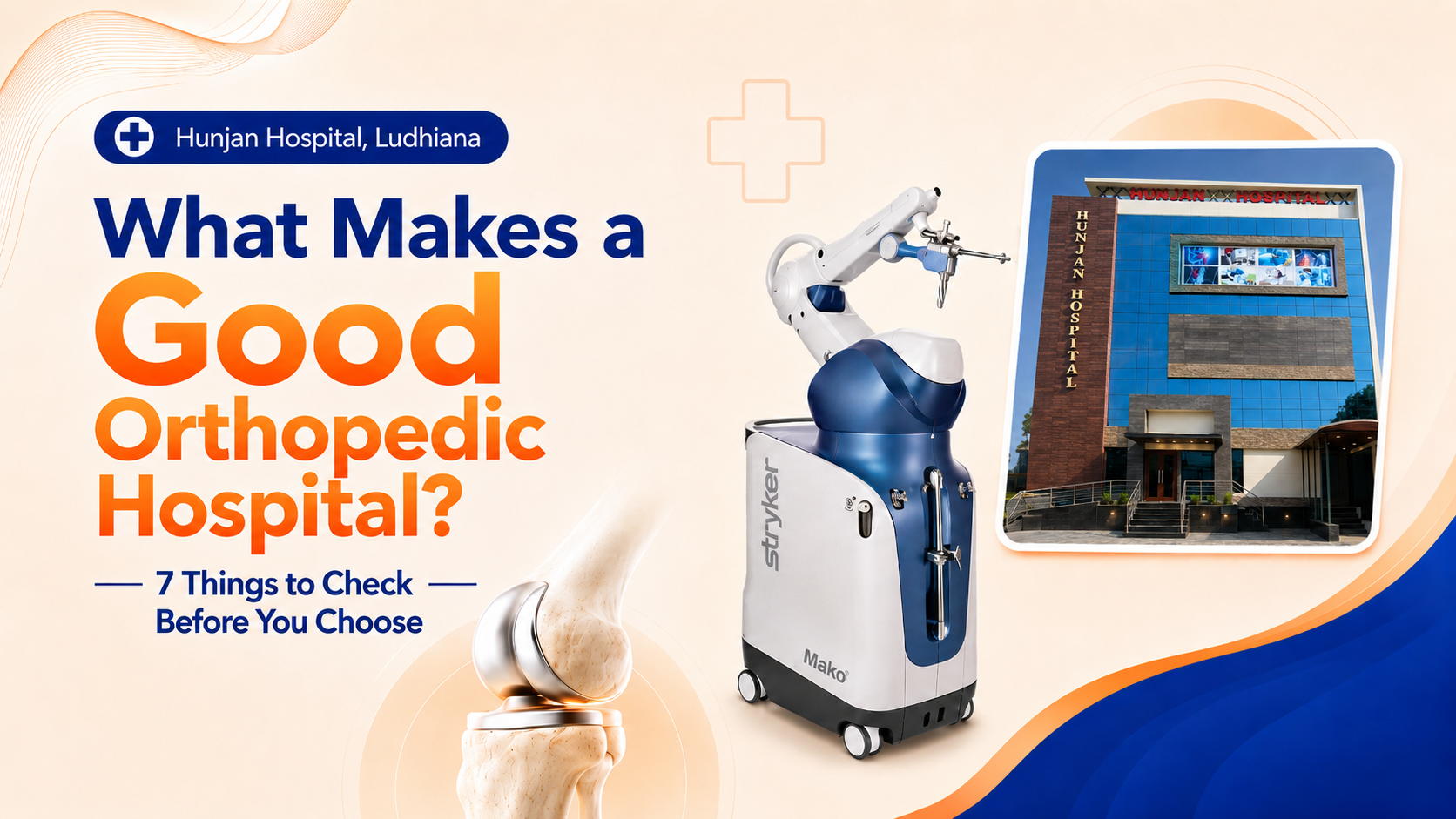
    Technology like robotic-assisted surgery has changed what’s possible in orthopedics. Robotic systems allow surgeons to plan and execute with greater precision, which can mean better implant alignment, less soft tissue damage, and faster recovery.

    Hunjan Hospital performed the first true robotic knee replacement in North India and continues to offer robotic-assisted procedures today. Not every hospital in Punjab has this capability – it’s worth asking directly whether the hospital you’re considering has it, and how regularly they use it.

    4. Accreditation and Safety Standards

    Hospital accreditation is an independent measure of whether a hospital meets defined standards of patient safety, hygiene, and quality of care.

    Hunjan Super Speciality Hospital is NABH Pre-Accredited (National Accreditation Board for Hospitals & Healthcare Providers). This means the hospital has been assessed against national standards and found to meet them – which matters especially when you or a family member is going under anesthesia.

    Always check whether a hospital is NABH-accredited or NABH pre-accredited before making a decision.

    5. Insurance and Cashless Facility

    Orthopedic surgery can be expensive. A good hospital should make the financial side as stress-free as possible – that means working with your insurer and offering cashless treatment so you’re not paying large amounts upfront and waiting for reimbursement.

    Hunjan Hospital is empanelled with 100+ insurance brands, including Star Health, HDFC ERGO, ICICI Lombard, Bajaj Allianz, Tata AIG, SBI General, and many others. Cashless facility is available, which means the hospital settles directly with the insurer on your behalf.

    Before you book, confirm your specific insurance plan is accepted and whether the procedure qualifies for cashless treatment.

    6. In-House Physiotherapy and Rehabilitation

    Surgery is only half the recovery. How you rebuild strength, mobility, and confidence in the weeks after an operation has a major impact on your long-term outcome.

    A good orthopedic hospital will have structured physiotherapy on-site, not just refer you elsewhere. Hunjan Hospital offers dedicated physiotherapy and rehabilitation services as part of its care model, so patients move from surgery to recovery within the same facility under connected supervision.

    Ask any hospital what post-operative rehabilitation looks like before you choose.

    7. Genuine Patient Reviews

    Reviews from real patients give you something that no brochure can – an honest picture of what the experience is actually like. Look at Google reviews, video testimonials, and what families say about communication, staff attitude, and follow-up care.

    Hunjan Hospital has published a range of patient testimonials in video and written form. Recurring themes in reviews include clear communication from the medical team, a calm and professional environment, and structured follow-up support after surgery.

    One thing to watch for: a hospital with many reviews over a long period is more reliable than one with a burst of recent ratings.

    Making the Decision

    No single factor decides this. A hospital with great technology but limited experience in your specific procedure isn’t the right choice. Neither is one with an experienced surgeon but poor post-operative support.

    The best orthopedic hospitals combine qualified surgeons, proven track records, modern equipment, recognized safety standards, financial transparency, and end-to-end care from diagnosis through rehabilitation.

    If you’re looking for orthopedic care in Ludhiana or Punjab, Hunjan Super Speciality Hospital can be reached at 8556024365 or through their website at hunjanhospital.com. Appointments and free consultations are available.

    Disclaimer: This article is intended for general informational purposes only and does not constitute medical advice. Every patient’s condition is different – please consult a qualified orthopedic surgeon before making any decisions about treatment or surgery.

  • Cashless Treatment at Hunjan Hospital,
Ludhiana

    Cashless Treatment at Hunjan Hospital, Ludhiana

    Cashless Treatment at Hunjan Hospital, Ludhiana

    Your Complete Guide to Cashless Hospitalization, Insurance Claims & TPA Support

    Hunjan Super Speciality Hospital  |  Ludhiana, Punjab  |  NABH Pre-Accredited

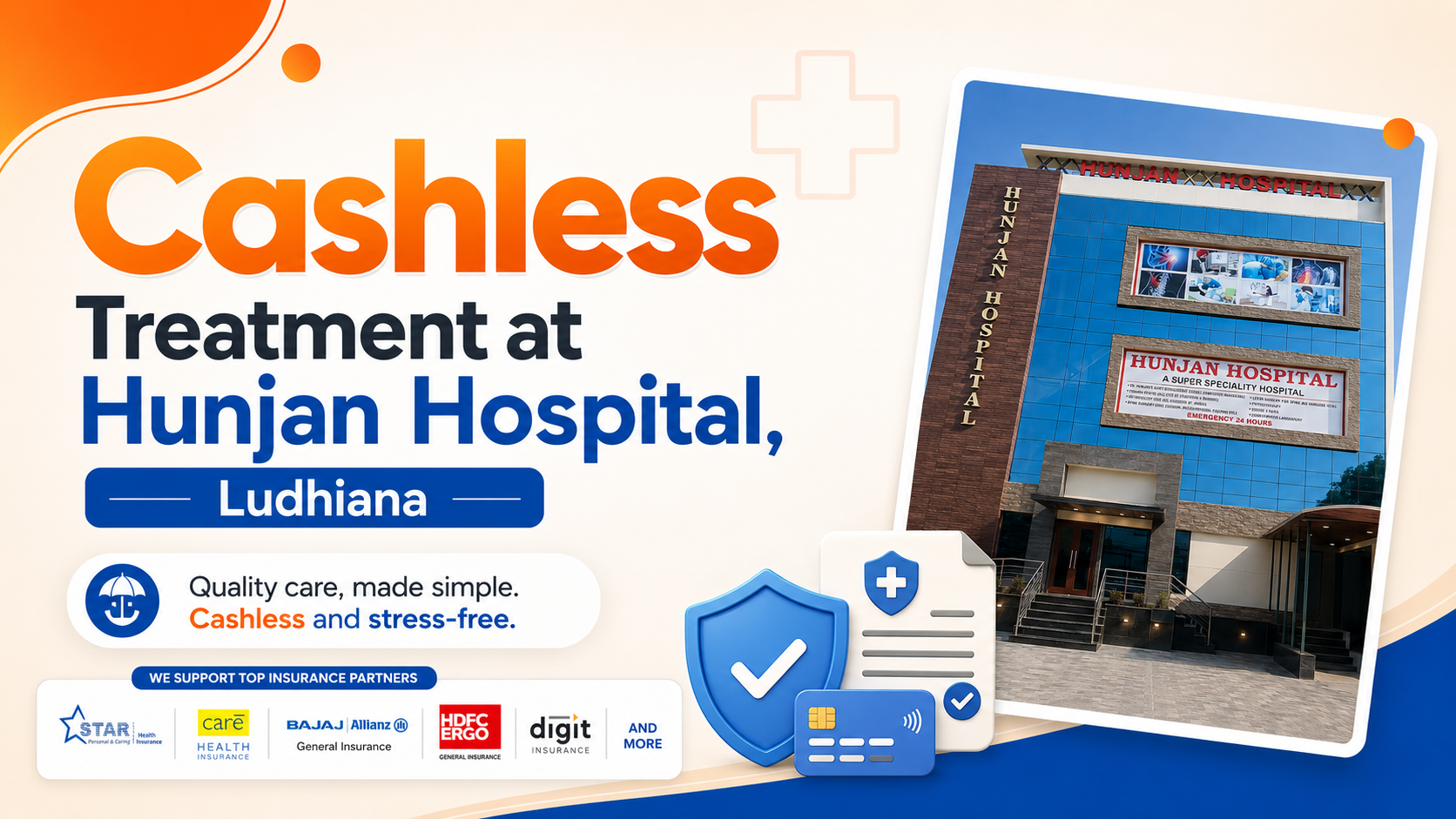
    When a family member needs surgery or hospitalisation, the last thing you want to worry about is arranging funds. Hunjan Super Speciality Hospital in Ludhiana offers a fully supported cashless facility that lets you focus entirely on recovery — not paperwork. Empanelled with over 100 insurance brands, the hospital’s dedicated insurance desk handles pre-authorisation, claim coordination, and discharge documentation so your family experiences a smooth, stress-free process from admission to discharge.

    What Is a Cashless Facility in a Hospital?

    A cashless facility — also called cashless hospitalisation or cashless treatment — is a benefit offered by health insurance policies through empanelled hospitals. Under this arrangement, the hospital settles medical bills directly with your insurance company or Third-Party Administrator (TPA). You are not required to pay the covered treatment costs out of pocket at the time of admission or discharge.

    For patients undergoing planned procedures such as robotic knee replacement, joint replacement surgery, spine surgery, or general surgery in Ludhiana, the cashless route removes the burden of arranging large sums before treatment begins.

    Why Choose Hunjan Hospital for Cashless Treatment in Ludhiana?

    Hunjan Super Speciality Hospital is one of North India’s most trusted orthopaedic hospitals, led by Dr. Balwant Singh Hunjan — a pioneer with over 40 years of experience who performed the first true robotic knee replacement in North India. Here is why it stands out as a preferred cashless hospital in Punjab:

    • 100+ Empanelled Insurance Brands: From major public sector insurers like National Insurance Company and SBI General to private giants like Star Health, ICICI Lombard, HDFC ERGO, Bajaj Allianz, and Tata AIG — the hospital is recognised by a wide network of insurers and TPAs.
    • NABH Pre-Accreditation: As a NABH Pre-Accredited hospital, Hunjan Hospital meets national quality and patient-safety standards. Most insurance companies give preferred status to NABH-accredited facilities, which can speed up cashless approvals.
    • Dedicated Insurance Desk: A trained team assists patients with pre-authorisation requests, estimate letters, claim coordination, and discharge documentation — reducing delays and confusion at every step.
    • Specialist Orthopaedic Focus: For high-cost procedures like robotic knee replacement (costing several lakhs), having a cashless facility directly at the hospital that performs the surgery is a significant financial relief for families.
    • 40+ Years of Trusted Care: With 8,000+ knee replacements and 15,000+ hip replacements performed, the hospital has an established track record that insurers trust — which supports smoother claim approvals.

    Insurance Companies & TPAs Empanelled with Hunjan Hospital

    Hunjan Hospital is authorised by over 100 insurance brands. The following are among the confirmed insurance partners and TPAs:

    • Star Health and Allied Insurance
    • HDFC ERGO Health Insurance
    • ICICI Lombard General Insurance
    • Bajaj Allianz General Insurance
    • Tata AIG General Insurance
    • Aditya Birla Health Insurance
    • SBI General Insurance
    • National Insurance Company
    • Religare Health Insurance (Care Health)
    • IFFCO Tokio General Insurance
    • Zurich Kotak General Insurance
    • Universal Sompo General Insurance
    • Cigna Healthcare
    • Medi Assist TPA
    • FHPL (Family Health Plan Insurance TPA)
    • Vidal Health TPA

    Note: This list is not exhaustive. Contact the hospital directly to confirm whether your specific policy, insurer, or TPA is eligible for cashless treatment.

    Ayushman Bharat Card (PM-JAY) at Hunjan Hospital

    Hunjan Hospital is empanelled under the Ayushman Bharat Pradhan Mantri Jan Arogya Yojana (PM-JAY) — India’s largest government-funded health insurance scheme. If you or a family member holds an Ayushman Bharat card (also known as a Golden Card or ABHA card), you can avail cashless treatment at Hunjan Hospital with no out-of-pocket expense up to the scheme’s coverage limit.

    Key Benefits of PM-JAY at Hunjan Hospital

    • Health coverage up to 5 lakh per family per year: Under PM-JAY, eligible families receive cashless health coverage of up to ₹5 lakh annually, covering hospitalisation, surgery, and treatment costs.
    • 177+ surgeries covered: A wide range of orthopaedic surgeries, general surgeries, gynaecological procedures, and more are covered under the scheme at Hunjan Hospital.
    • No premium required: PM-JAY is fully funded by the government. Beneficiary families do not pay any premium or registration fee.
    • Completely cashless: Eligible patients pay nothing at the hospital for covered treatments — the government settles the costs directly with the hospital.

    How to Use Your Ayushman Card at Hunjan Hospital

    • Carry your Ayushman Bharat card (physical or e-card on the PM-JAY app) along with a valid government ID.
    • Inform the hospital’s admission desk that you wish to avail treatment under PM-JAY.
    • The hospital will verify your eligibility and the treatment category on the PM-JAY portal.
    • Once approved, your treatment proceeds on a fully cashless basis up to the coverage limit.
    • For any queries before visiting, call 8556024365 to confirm PM-JAY eligibility for your specific treatment.

    Note: PM-JAY coverage is subject to the treatment being listed under the scheme’s package rates and the patient’s eligibility as a registered beneficiary. Not all procedures may be covered. Please verify with the hospital before admission.

    How to Avail Cashless Facility at Hunjan Hospital: Step-by-Step

    Following these steps will help ensure a smooth cashless admission:

    • Step 1 — Verify Eligibility Before Admission

    Call the hospital’s insurance desk at 8556024365 before your admission date. Confirm that your policy, TPA, and treatment category are eligible for cashless approval. This prevents last-minute surprises.

    • Step 2 — Carry the Required Documents

    Bring all necessary documents on the day of admission (see checklist below). Incomplete documents are the most common reason for cashless claim delays.

    • Step 3 — Submit Pre-Authorisation Request

    The hospital’s insurance desk submits a pre-authorisation request to your insurer or TPA on your behalf. This includes a treatment estimate, diagnosis details, and doctor’s notes.

    • Step 4 — Await Approval

    Most insurers respond within a few hours for planned admissions. Your insurer may approve the full amount, a partial amount, or ask for additional information. The hospital team will keep you informed.

    • Step 5 — Receive Treatment

    Once pre-authorisation is granted, your treatment proceeds. Any amount not covered by the insurer (co-pay, non-covered items, or amounts above the sum insured) will need to be settled by you.

    • Step 6 — Discharge & Final Settlement

    At discharge, the hospital submits the final claim documents directly to the insurer. The insurer settles the approved amount with the hospital. You receive a clear summary of what was covered and what, if any, balance is due.

    Documents Required for Cashless Hospitalisation

    Carry the following documents to avoid delays in cashless claim processing:

    • Health insurance card (original or digital copy)
    • Government-issued photo ID (Aadhaar, PAN, Passport, or Voter ID)
    • Insurance policy document or policy number
    • TPA card (if your policy is managed by a TPA)
    • Doctor’s referral letter or prescription recommending hospitalisation
    • Previous diagnostic reports, X-rays, MRIs, or test results related to the condition
    • Pre-authorisation approval letter from insurer (if already obtained)
    • Any TPA forms shared by your insurance company before admission

    Treatments Covered Under Cashless Facility at Hunjan Hospital

    Subject to your policy’s terms and sum insured, cashless treatment may be available for the following procedures and services offered at Hunjan Hospital:

    • Robotic Knee Replacement Surgery: The hospital’s flagship procedure — one of the most precise knee replacement techniques available in North India, using robotic-assisted technology.
    • Orthopaedic & Joint Replacement Surgery: Hip replacement, shoulder replacement, and other complex joint procedures for arthritis, fractures, and degenerative conditions.
    • Spine Surgery: Treatment for disc herniation, spinal stenosis, spondylosis, and other spinal conditions.
    • General Surgery: A range of surgical procedures including hernia repair, appendicectomy, and other abdominal surgeries using minimally invasive approaches.
    • Trauma & Emergency Surgery: Management of fractures, dislocations, and acute orthopaedic injuries.
    • Physiotherapy & Rehabilitation: Post-surgical rehabilitation programmes for joint replacement, spine, and trauma patients.
    • Gynaecology: Gynaecological procedures as applicable under your policy.

    Important: Coverage depends entirely on your individual policy terms. Always verify with your insurer or TPA before admission. The hospital can assist with this verification.

    Frequently Asked Questions: Cashless Facility at Hunjan Hospital

    Question: Is Ayushman Bharat card valid at Hunjan Hospital, Ludhiana?

    Answer: Yes. Hunjan Hospital is empanelled under the Ayushman Bharat PM-JAY scheme. Eligible beneficiaries can avail cashless treatment for covered procedures with no out-of-pocket cost, up to ₹5 lakh per family per year. Carry your Ayushman card and a valid government ID, and inform the admission desk at the time of arrival.

    Question: Is Hunjan Hospital empanelled with my health insurance company?

    Answer: Hunjan Hospital is empanelled with over 100 insurance brands including Star Health, ICICI Lombard, HDFC ERGO, Bajaj Allianz, Tata AIG, SBI General, National Insurance, and many TPAs. Call 8556024365 to verify whether your specific insurer is on the approved panel.

    Question: Can I get cashless treatment for robotic knee replacement at Hunjan Hospital?

    Answer: Yes, robotic knee replacement is a planned surgical procedure that is typically eligible for cashless hospitalisation, subject to your policy terms, sum insured, and insurer approval. The hospital’s insurance desk will help you initiate the pre-authorisation process.

    Question: How long does cashless pre-authorisation take?

    Answer: For planned admissions, most insurers respond within 2 to 6 hours of receiving a complete pre-authorisation request. Emergency cases are typically processed faster. The hospital’s insurance team submits the request on your behalf.

    Question: Will I have to pay anything under the cashless facility?

    Answer: You may need to pay any applicable co-pay amount specified in your policy, charges for items excluded under your policy, or any amount that exceeds your sum insured. The hospital provides a clear breakdown at discharge.

    Question: What if my insurer only partially approves the cashless claim?

    Answer: If the insurer approves only a portion of the treatment cost, you will need to settle the remaining balance at discharge. The hospital team will inform you of any shortfall before or during treatment so you can plan accordingly.

    Question: Can I still get treatment at Hunjan Hospital if my insurer is not on the cashless panel?

    Answer: Yes. If your insurer is not empanelled for cashless treatment, you can pay the treatment costs and later submit a reimbursement claim to your insurance company. The hospital will provide all necessary bills, reports, and discharge documentation to support your claim.

    Question: What is a TPA and how does it affect cashless claims?

    Answer: A Third-Party Administrator (TPA) is an intermediary company authorised by your insurer to process and manage health insurance claims. Many policies are managed by TPAs such as Medi Assist, FHPL, or Vidal Health. If your policy has a TPA, carry your TPA card and contact them for pre-authorisation alongside the hospital insurance desk.

    Tips to Ensure a Smooth Cashless Claim

    • Call the hospital insurance desk at least 24–48 hours before a planned admission.
    • Inform your TPA or insurer about the planned hospitalisation in advance, as some policies require prior intimation.
    • Carry original documents — photocopies may not be accepted by all TPAs.
    • Check your policy for any waiting periods, sub-limits on specific procedures, or co-pay clauses before admission.
    • Keep a digital backup of all insurance documents on your phone for quick access.
    • If your policy covers a family member, ensure you carry their insurance card and ID along with the patient’s ID.

    About Hunjan Super Speciality Hospital

    Hunjan Super Speciality Hospital is a NABH Pre-Accredited orthopaedic and multi-speciality hospital located in Ludhiana, Punjab. Founded and led by Dr. Balwant Singh Hunjan (MBBS, MS Orthopaedics, M.Ch Orthopaedics), the hospital has over 40 years of experience in orthopaedic care and is recognised as a centre of excellence for joint replacement surgery in North India.

    • 8,000+ knee replacements performed
    • 15,000+ hip replacements performed
    • First true robotic knee replacement hospital in North India
    • 100+ specialist team members
    • 24×7 emergency and trauma care
    • 10+ national awards for healthcare excellence

    Contact Hunjan Hospital for Cashless Treatment

    To confirm your insurance eligibility, understand the pre-authorisation process, or book an appointment:

    • Phone: 8556024365
    • Email: info@hunjanhospital.com
    • Website: www.hunjanhospital.com/insurance
    • Address: 111, Kochar Market Rd, Sampooran Colony, South Model Gram, Ludhiana, Punjab 141002
    • OPD Hours: Monday to Saturday, 8:00 am – 8:00 pm
    • Emergency: 24×7

    Disclaimer: The information in this article — including insurance empanelments, claim procedures, and document requirements — is subject to change. Please call us at 8556024365 or email info@hunjanhospital.com before admission to confirm your current insurance eligibility and requirements.
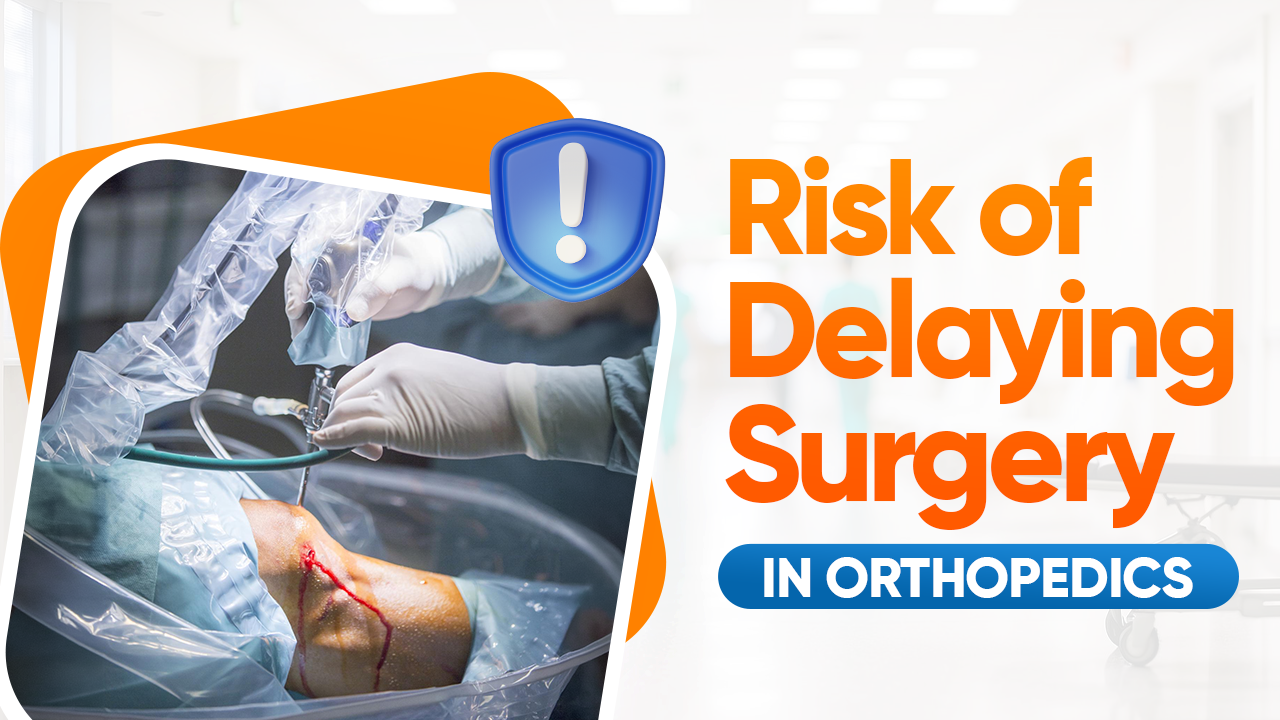
  • Risk of Delaying Surgery in Orthopedics

    Risk of Delaying Surgery in Orthopedics

    Why do people delay surgery?

    In orthopedic practice, it is quite common to see patients delay surgical intervention due to hesitation, fear, or the expectation that symptoms may settle with time. Many continue with medications, physiotherapy, or lifestyle adjustments, assuming that surgery can be safely postponed. However, while symptoms may temporarily improve, the underlying structural problem in the joint often continues to progress.

    What actually happens when you delay it?

    • The underlying joint damage continues to progress, often leading to further cartilage wear and joint degeneration
    • Pain becomes more persistent and less responsive to medication or conservative treatment
    • Range of motion gradually reduces, making movements more restricted
    • Compensatory patterns develop in the body, affecting posture and placing additional stress on surrounding joints

    Why the surgery becomes more complicated later

    From a clinical perspective, timing plays a critical role in surgical outcomes. As the condition advances, the joint environment becomes less favourable, which can increase the complexity of both the procedure and recovery.

    • Structural damage to the joint becomes more extensive
    • Surrounding soft tissues may lose strength and flexibility
    • Surgical correction may require more extensive intervention
    • Post-operative recovery and rehabilitation may take longer
    • Functional outcomes may not be as optimal as in earlier stages

    How it starts affecting everyday life

    Clinically, the impact becomes noticeable when routine activities begin to change.

    • Walking for longer durations becomes uncomfortable
    • Climbing stairs or getting up from a seated position becomes difficult
    • Daily movements start requiring more effort
    • Patients often begin modifying their routine to avoid pain

    The hidden impact people don’t notice

    Beyond the joint itself, delayed treatment can have wider effects on overall function.

    • Reduced activity levels can affect general health and fitness
    • Muscle strength around the affected joint gradually declines
    • Confidence in movement reduces, increasing hesitation or fear
    • Dependency on support or assistance may increase over time

    When should you actually consider it?

    Surgical intervention is generally considered when symptoms begin to significantly affect quality of life and conservative treatments are no longer providing adequate relief. Persistent pain, reduced mobility, and progressive functional limitation are key indicators. At this stage, timely evaluation and decision-making are important to prevent further deterioration.

    Final thought

    Delaying surgery is often perceived as a safer or more comfortable choice, but clinically, it can allow the condition to advance to a stage where management becomes more complex. Appropriate timing, based on thorough evaluation, plays a crucial role in achieving better outcomes and smoother recovery.

    Medical Disclaimer: The information in this article is for educational purposes only and does not replace professional medical advice, diagnosis, or treatment. Always consult a qualified doctor for medical concerns or treatment decisions. Outcomes may vary from patient to patient.

  • What Happens When the Discs Slip? What are the Contained & Uncontained Discs?

    What Happens When the Discs Slip? What are the Contained & Uncontained Discs?

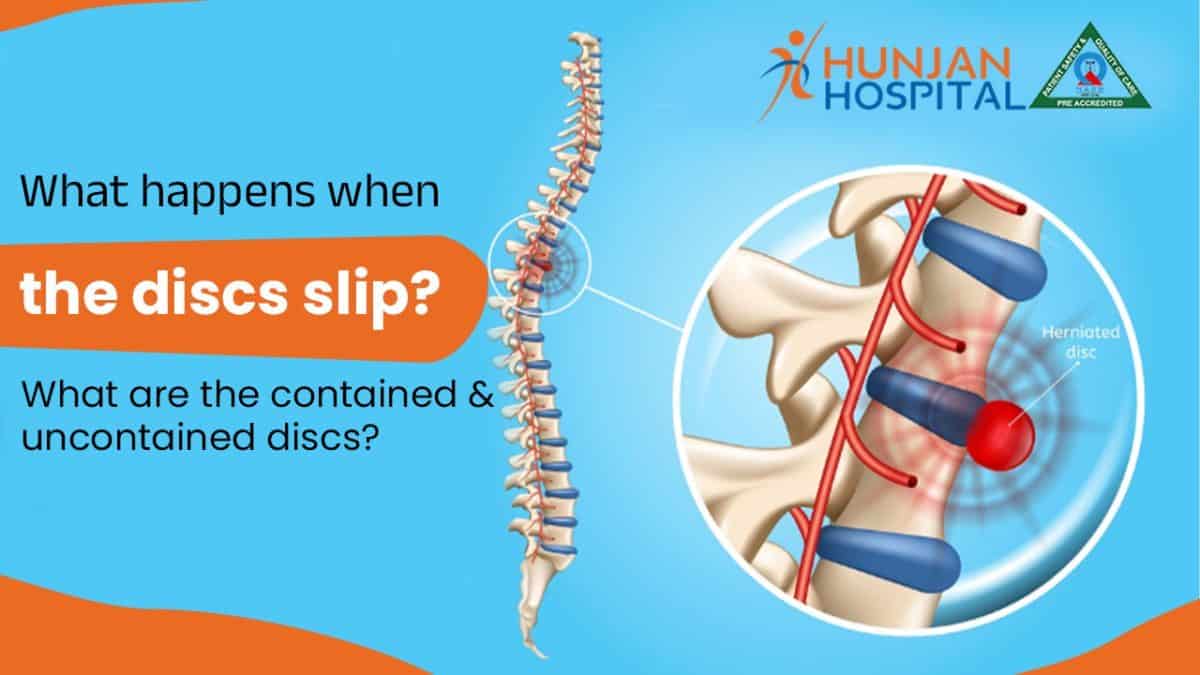
    When the intervertebral disc of the spine loses its normal shape and consistency, then it is known as a slipped disc. If the inner material of the disc gets leaked, then the altered shape will come into the origin. The doctors of the famous orthopaedic hospital in Ludhiana use different terms for the slipped disc-like protruding, bulged, torn or ruptured. If the pain becomes so severe that the individual can’t get rid of it, then with the help of spine surgery in Ludhiana, it will be aimed at getting treated. 

    What happens when the discs slip? 

    The intervertebral are known for their shock-absorbing feature. These are quintessentially helpful in transferring the loads evenly. In case, the slipped disc emerges, the entire segment which is accountable for doing motion like: 

    • Adjacent vertebrae
    • Connective tissues 
    • Blood vessels 
    • Nerves 

    How does the slipped disc come into existence? 

    When the disc becomes naturally degenerated, then because of that the nucleus pulposus becomes quintessentially less hydrated and gets weakened with age. 

    What do we know about the initiative disc? 

    When the trauma is caused to the disc because of any reason. Usually, the eight lifters suffer from this issue, as they try to lift the giant weight loads which are not of their capability. And while lifting, they end up choosing a bad posture. 

    Do you know? 

    If the connective tissue is having any disorder, then the spinal vertebrates may get some alterations in spinal vertebrates’ shape. 

    What do we know about the contained and the uncontained disc? 

    • Contained disc

    When a disc gets slipped and its nucleus pulposus gets leaked out in the form of the annulus fibrosus, but it is not visible in the outermost layer of the disc, then it will be known as the contained disc. 

    • Uncontained disc 

    When the nucleus pulposus completely gets released outside the disc, then it will be known as the uncontained disc.

    Which type of pain, you may experience when you are afflicted with the slipped disc? 

    The slipped discs may cause you to suffer from pain either in the localised areas like the arm and the back or in the far off regions like the high or the hands. 

    Nerve Pain 

    Nerve pain is caused when a herniation is afflicting you at the side and the back of the disc. In these positions, the annulus fibrosus is comparatively thinner. Since this part is extremely close to the nerves of the spinal roots, it can cause mechanical compression, chemical irritation or cauda equina compression. 

    Do you know? 

    When owing to the slipped disc, you are suffering from back pain or neck pain, then it will be known as discogenic pain. 

    What happens when the disc has slipped owing to the degeneration? 

    If degeneration has caused the disc to move, then it will result in instability in the motions of the spine.

  • Which judgemental criteria will help you to find the right orthopaedic doctor?

    Which judgemental criteria will help you to find the right orthopaedic doctor?

    Whenever we are down with any orthopaedic health condition, then we want to visit the best orthopaedic hospital in Ludhiana, whose doctors will treat you in the best way. But some of us do not know how to find the right doctor. So in this article, we are going to know how we can choose the best orthopaedic doctors. When it is the spinal problems and the patient has to undergo spine surgery in Ludhiana, then it becomes even more vital to choose the right orthopaedic doctors.

    First of all, ask for the referrals

    It is important for the patients seeing the orthopaedic care to have the right kind of list of the doctors from which they can choose the ideal doctor. You gave to count on the referrals. Ask your family members, friends and relatives to recommend some of them to you.

    Note: Do not have a blind trust in the recommendation. Consider visiting the particular doctor if and only if they are satisfying the credentials which makes them ideal to treat you.

    Know about the experience

    The experience of the doctors counts a lot. If a doctor is well-trained and experienced, then you can surely expect to get completely rehabilitated as he will formulate the best treatment plan according to your problem. 

    The surgeon must be board certified

    The surgeon or the orthopaedic doctor must be certified by the board. We must be possessing all the degrees and other necessary qualifications which makes him capable to treat you.

    Visit the Hospital

    Do not take any decision until you have personally paid a visit to the hospital in which the doctor is practising. When you visit the hospital, observe every single thing like the atmosphere of the hospital, the ambience, the way the attending staff is treating you and a lot more.

    Read the testimonials

    The important part of the research is reading the testimonials. The testimonials are a thorough guide that tells you whether the particular doctor or the hospital will be able to carry out the effective treatment.

    If possible, then try to talk to the previously served patients. They’ll give you a thorough idea of what you can expect from the hospital and what are the possible drawbacks of the same.

    Enquire about the estimated  costs

    When you are on your journey to find the right doctor or the hospital, then it is very much important for you to inquire about the costs. If the cost is in your affordable range, then it can be a plus point as you will feel tempted to take treatment from them. But you have to also make sure, that if the treatment is offered at such a low cost, then the quality of surely not getting compromised

    Do not always rely on the first thing you see

    It is important for you not to rely on the first option which you deem as good and worthy. Always keep a scope for the second option.

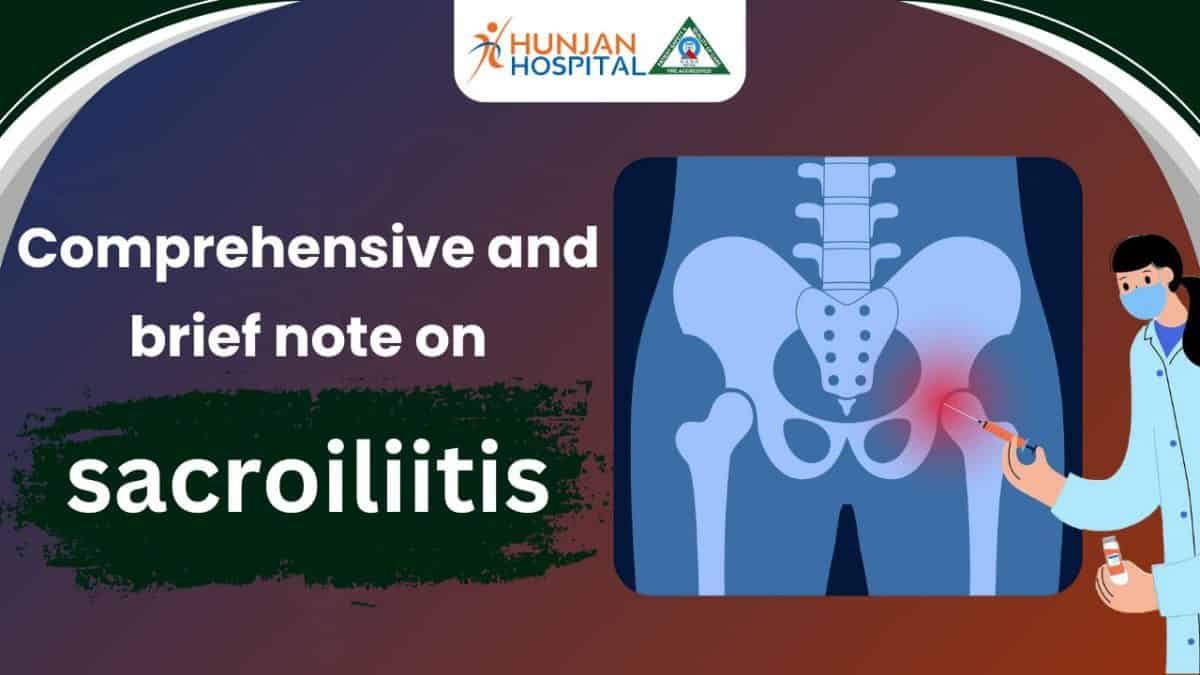
  • Comprehensive and brief note on sacroiliitis.

    Comprehensive and brief note on sacroiliitis.

    People are suffering from different health conditions, including sacroiliitis. It is a painful condition that affects one or both sacroiliac joints. These joints sit where the lower spine and pelvis meet. Sacroiliitis can cause pain and stiffness in the buttocks or lower back, and the pain goes down one or both legs.


    What is the definition of Sacroiliitis? 

    Inflammation in the joints where your spine and pelvis meet is painful and known as sacroiliitis. It hurts your legs, buttock muscles and lower back. Where two bones unite in your body is called a joint. Your sacroiliac joints join your pelvis and spine. They are mainly the point where the ilium and sacrum converge. You can get the proper treatment at the best Orthopaedic Hospital in Ludhiana. 


    Causes of the sacroiliitis

    Anything that aggravates joint inflammation can aggravate sacroiliitis and create joint inflammation. Sacroiliitis is primarily caused by arthritis, which includes:

    • Ankylosing spondylitis: This type of arthritis affects the joints in your back. Ankylosing spondylitis frequently manifests as sacroiliitis in its early stages.
    • Psoriatic arthritis: This condition results from the interaction between arthritis and psoriasis. It results in skin psoriasis and joint arthritic symptoms.
    • Harm: The sacroiliac joints may sustain damage from a quick impact, such as a fall or an automobile collision.
    • Arthritis: Sacroiliac joints may develop osteoarthritis, commonly called wear-and-tear arthritis. Thus, too, is a kind of arthritis called ankylosing spondylitis that affects the spine. There are several symptoms and solutions you should know about arthritis. 
    • Maternity: During labor, the sacroiliac joints stretch and loosen. Pregnancy-related weight gain and altered gait patterns might put stress on these joints.
    • Infection: Infections of the sacroiliac joint are uncommon.


    Symptoms of the sacroiliitis

    The pain for sacroiliitis most often occurs in the buttocks and lower back. It can also affect the legs, groin, and even the feet. The pain can improve with movement. The following can make sacroiliitis pain worse: 

    • Sleeping or sitting for a long time. 
    • Standing for a long time. 
    • Having more weight on one leg than the other.
    • Stair climbing.
    • Running 
    • Taking significant steps when moving forward. 


    What are the treatment plans for sacroiliitis?

    There are different treatment plans for the sacroiliitis. 

    • Physical therapy: The most typical course of treatment for sacroiliitis is physical therapy. Your sacroiliac joints’ surrounding muscles can be strengthened with stretches and exercises prescribed by a physical therapist. Your joints will feel less strain and be more stable as a result. You can improve your range of motion in your sacroiliac joints by performing sacroiliitis exercises.
    • Nonsteroidal anti-inflammatory drugs: Aspirin, ibuprofen, and naproxen are examples of over-the-counter NSAIDs. See your physician before using NSAIDs for longer than ten days in a row.
    • Muscle relaxing medicines: Prescription drugs known as muscle relaxants work by stopping your nerves from communicating pain signals to your brain, thereby relieving muscle soreness.
    • Corticosteroids: Prescribed drugs that reduce inflammation and pain are known as corticosteroids. Your doctor will give you a direct corticosteroid injection into the afflicted joints.
    • Surgery: Surgery is rarely required to treat sacroiliitis. If you have not seen relief from your pain after trying RFA and physical therapy, your clinician may suggest surgery. Your surgeon may conduct a joint fusion, which involves using surgical screws to fuse the joint permanently. They will advise you on the procedure you will require and what to anticipate in the aftermath.


    The issues related to the spine can cause the problem of sacroiliitis. If you have spinal problems, contact the best hospital, Hunjan Hospital. The best spine surgeon in India performs the surgery for spinal issues. 

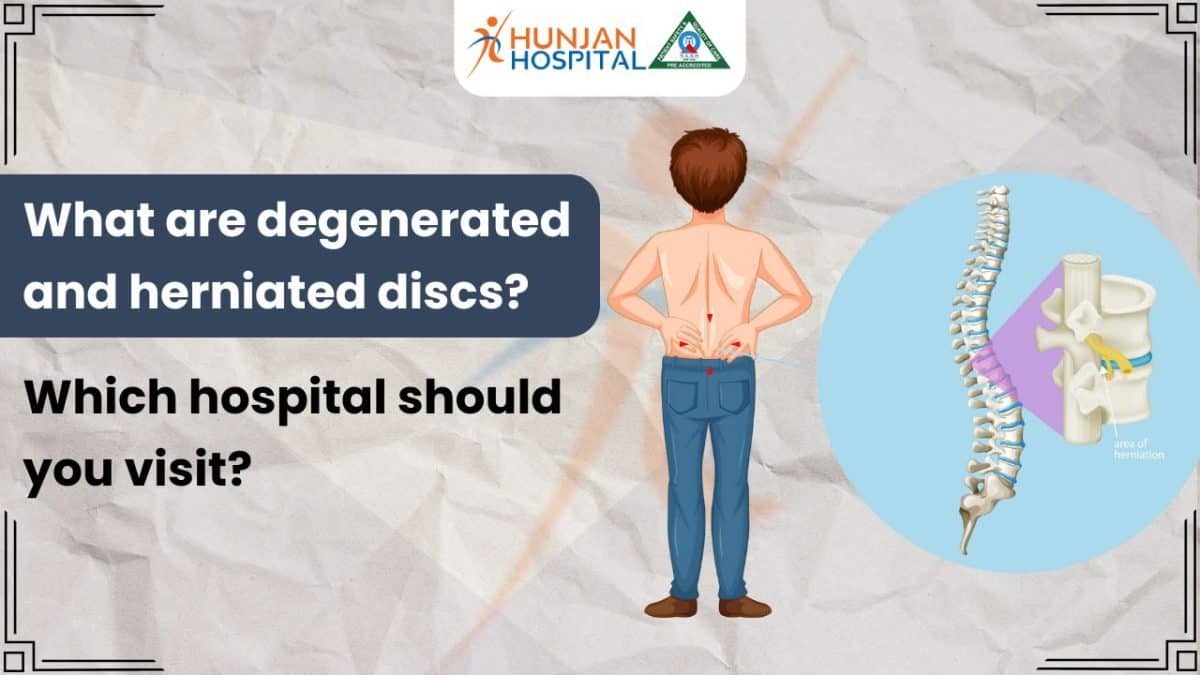
  • What are degenerated and herniated discs? Which hospital should you visit?

    What are degenerated and herniated discs? Which hospital should you visit?

    In case the back pain is caused by a problem in the spinal discs. The immediate source of the pain can either be the irritated nerve or the disc itself. The reputed doctor of the best orthopaedic hospital in Ludhiana uses variegated terms to define the irritated nerve and the disc. This is the main reason that the doctors who carry out spine surgery in Ludhiana use the following terms to define the disc problems: 

    • Slipped disc 
    • Protruding Disc 
    • Pinched nerve 
    • Degenerative disc 

    What do you know about the pinched nerve pain? 

    • Irritation
    • Inflammation  

    If you are having either slight or giant pain in the disc, then it can get radiated in the entire nerve path of the foot or the leg. Following neurological problems will be encountered if the pinched nerve is being experienced: 

    • Numbness
    • Weakness
    • Tingling

    Do you know? 

    The pain which is caused by the compressed nerve is known as radiculopathy.


    What are the causes of the pinched nerves? 

    The pinched nerves can be caused by the following; 

    • Herniated discs
    • Spinal Stenosis
    • Bone spurs 

    Do you know? 

    When a person suffers from osteoarthritis, then the bone spurs may come into the origin. 

    The pinched nerve may cause the problems like the following: 

    • Tumours 
    • Infection 
    • Spondylolisthesis

    What do you know about the degenerated disc pain? 

    If the pain in your back is emerging out of the intervertebral disc, then it will be known as discogenic back pain. The degeneration of the spinal disc may come to origin owing to wear and tear and trauma and the pain will be caused by the following mechanisms: 

    Inflammation

    As the disc degeneration is experienced, then the inflammatory proteins may get released into the disc space. The degenerated disc may get herniated which will cause the inner inflammatory contents to leak out. Pinched nerve pain can be caused by a herniated disc.

    Shrinkage

    Degeneration may lead to dehydration within the disc. It will result in the extreme loss of fluid content and shrinkage.

    Motion Segment Instability 

    With disc degeneration, the spinal segment may become unstable and it may resist the motion in the spine 1. When the body becomes unstable then it is not it can not be proven to be as effective as it is required to resist the motion in the spine 1. 


    Whom should you visit if you are having a problem with the herniated disc? 

    If you are having a problem with the herniated disc, then it is required for you to get it checked at your earliest. If you do not get it checked, then the problem may get severe and you have to face the consequences. 

    First of all, you should ascertain that you are visiting reputed doctors. Such doctors can only be found in the Hunjan Hospital, which is one of the best orthopaedic hospitals in Ludhiana. It is the hospital that has emerged out to be the first hospital in Punjab that has carried out knee replacement surgery.

  • What is the definition of spinal surgery?

    What is the definition of spinal surgery?

    In this era, people do not follow proper diet due to which they are suffering from different health related issues and poor posture and unhealthy diet plans cause issues related to the spine. The spinal issues are mostly treated with surgery only. 


    What are the spinal problems? 

    Spinal problems are very common. The Spinal problems are generated inside and outside of the spinal cord. The reason for the outer damage is compression and injury. It is compressed because of bone fracture, spinal degeneration and abnormalities. The hematoma, tumor, and herniated disc are also a reason for the spinal cord weakening. The minor problems can be corrected by the best Orthopaedic Surgeon In India. 


    What is the definition of spinal surgery? 

    Spinal fusion is a surgery that connects two or more vertebrae in your spine. These ring-shaped bones form an interlocking column that holds your body upright. Fusing them together can reinforce your back’s structure. There is more than one type of surgeon that specializes in spinal fusion surgery. Neurosurgeons and orthopedic surgeons can do them, depending on the underlying condition and your specific needs. There are different types of Spinal surgery. 


    Types of spinal surgery

    • Discectomy: This procedure removes the herniated portion of a disc. It is helpful for removing the tissue and damaging part of the disc.
    • Laminectomy: This procedure removes bone at the back of the spine to make more room for the spinal cord and nerves.
    • Fusion: Spinal fusion removes the arthritic joints and often uses metal implants to help permanently connect two or more bones in the spine.
    • Artificial discs: These devices are made of plastic and metal. They can replace the damaged cushion between two spinal bones. 


    Right ways to do exercise after spinal surgery. 

    There are different ways to do exercise after spinal surgery. 

    • Walking Exercise Program: Walking is one of the first physical therapy exercises to help improve your healing, which you must start doing the day after your surgery. A good starting point is walking at least 20 to 30 minutes on a treadmill or outdoors. 
    • Ankle Pumps: Ankle pumps are a type of nerve stretch that helps improve blood flow to your heart using your calves. To do this exercise, lie flat on your back. Then, move your ankles up and down. Repeat this exercise at least ten times.
    • Heel Slides: Heel slides are another nerve stretch to help rehabilitate your body after surgery. Lie down on your back and slowly bend your knee. Then, straighten out your knee. Repeat the exercise 10 times.
    • Superman: The Superman exercise will help correct your posture, specifically posterior pelvic tilt when you rotate your pelvis backward. Start by lying on your stomach in a neutral position with arms outstretched in front of you. 
    • Straight Leg Raises: Straight Leg raises are one of the most effective core exercises for back pain. Lie down on your back with one Leg bent at the knee and the other stretched out in front. Keep your core tight. 


    The whole posture of the human body is dependent on the spinal cord. Spine injuries become very common. Most spinal injuries can only be treated with surgeries that the best surgeons perform. If you are suffering from spinal problems, contact the best Orthopaedic Hospital in Ludhiana, Hunjan Hospital. 

  • Why is back pain very common in winter?

    Why is back pain very common in winter?

    Nowadays, people are suffering from different health issues, including back pain. There are several reasons for the problems related to the back. The main reason is unhealthy diet plans that make the muscles of your back weak. The best orthopedic hospital in Ludhiana offers you all the treatments related to back issues. 


    What are the reasons for the back pain in winter? 

    • Cold: your muscles and ligaments become less flexible due to the reduction in temperature. They tend to tense up, increasing the risk of accidents, including sprains and strains. 
    • Slippery surface: Ice and snow can cause you to slip and fall. Your back’s muscles and ligaments may be strained by unexpected shocks, twists or collisions. 
    • Less active: Short, chilly days may cause you to engage in less physical activity. Your muscles may become weaker and less flexible as a result, increasing your risk of injury.
    • Attempting an indoor sport: You may be skiing, snowboarding, or ice skating during winter. Your back may get injured by these activities’ abrupt movements and falls.
    • You need to prepare: Before engaging in winter sports or household duties, you must give muscles more time to warm up and move. 
    • You are lifting and shoveling: Your back may get strained from bending and twisting to shovel snow and carrying large bags of goods for the winter, particularly if you need proper lifting techniques.
    • You need to be appropriately seated: During the winter, you might read more or watch screens indoors. Joint or back pain might be brought on by a lack of activity and bad posture.
    • You have put on weight: Gaining weight over the holidays is typical and might strain your lower back.
    • You are under stress: Tensed muscles are more prone to injury, and the strain of the holidays can induce muscle tension. 


    Tips to prevent back issues for winter. 

    There are several tips to prevent yourself from back-related issues during winter. 

    • Make a move: Keep up a regular exercise regimen and maintain your blood flow.
    • Drink water: Keep your body hydrated by consuming lots of water. In addition to providing nutrients and cushioning and lubricating your joints, water also keeps your skin cells hydrated and shields the lining of your digestive tract from food-digesting enzymes.
    • Rest: Sleeping for eight hours a day is not fiction. Rest is necessary for your body to function at its peak. Moreover, sleep reduces inflammation, which results in pain.
    • Refrain from tension: Many people view the winter holidays as more stressful than joyful. Make every effort to unwind and take care of your mental well-being.
    • Consume your veggies: Steer clear of foods high in sugar, as they can undermine your immune system. Eat a balanced diet as much as you can. If given the proper care, your body is designed to heal itself.
    • Remain warm: Use heat to ease your discomfort. Applying heat enables the muscles, adhesions, and connective tissue surrounding the spine to expand. Heat therapy will, therefore, result in a reduction of stiffness along with an increase in flexibility and comfort level. For a back to be healthy, flexibility is crucial.

    In this modern era, ortho problems are widespread because of different reasons. Many people suffer from spinal issues, and the best doctors guide you through all the problems. The best Spine Surgeon In India performs spinal surgery at Hunjan Hospital. 

  • What Happens When Glute Muscles Are Weak?

    What Happens When Glute Muscles Are Weak?

    To maintain the balance of the body, our body relies on muscles. Also, the body needs strong muscles for daily activities such as walking, standing, and sitting. Here, we are talking about glute muscles. The gluteal muscles consists of a group of muscles namely gluteus minimus, gluteus medius and gluteus maximus. These muscles make up the buttock area. Strong muscles are required for proper functioning of the body to do daily activities. If you have weak muscles, visit the Orthopaedic hospital in Ludhiana and examine yourself. 

    Why Are Glutes Important For The Body?

    The major job of the glute muscles is to help the body move, provide stability and support the spine. It also helps in preventing knee injury and general wear and tear. Strong glute muscles are important for various reasons, such as improving hip mobility, posture, and bone density and enhancing glute strength and athletic performance. On the contrary, weak gluteal muscles cause pain in the whole body and affect posture and mobility. Some common activities that require strong glute muscle strength include the following:

    • To maintain your body posture
    • Standing Up
    • Walking
    • Getting out of bed
    • Bending over 
    • Lifting
    • Balancing on one leg
    • Playing sports

    Weak Glute Muscles

    Glute muscles become weak because you do not use them enough. In the fast-paced and tech-savvy world, people’s lifestyle is becoming less and less active. People have sitting jobs and follow a sedentary lifestyle. A sedentary lifestyle causes a reduction in blood flow, which leads to less nutrients reaching your muscles. As a result, your muscles become weak. 

    Another prominent cause of weak muscles is poor posture. Even though people have sitting jobs, their posture is poor and causes strain in the neck, shoulders and lower back. Hence, if you have weak glute muscles, it eventually develops into lower back pain, knee pain, and hip pain. If you experience muscle weakness, you must visit the best Orthopedic Hospital in Ludhiana and consult the doctor about your condition.

    Causes of Weak Glute Muscles 

    • Aging – Aging causes muscle mass to decrease, making it weak. The problem continues and worsens if you do not have an active lifestyle. It would help if you exercised daily to ensure you have strong glute muscles.
    • Poor Posture – Having a poor posture causes the glute muscles to weaken. Poor posture is the leading cause of weakness in glute muscles, which causes lower back pain and knee and hip pain. If you have poor posture, you may not be able to get out of the chair without using your hands, climb stairs without railing, etc. If you face such issues, consult the best spine surgeon in India
    • Imbalance training – If you exercise, you must ensure you exercise the body properly and target every muscle group. An imbalance in muscle training can also weaken your glute muscles. For example, if your exercise focuses on the front part of your body and you do not exercise the back, it can cause weakness in the glute muscles due to an imbalance in training.
    • Injury or surgery – Post-injury and surgery, muscles become weak because you cannot use those muscles effectively while you are recovering or healing. Thus, it is essential to work on your muscles after recovering from the injury and surgery to strengthen them.

    Exercises To Strengthen Your Glute Muscles 

    • Squats
    • Lunges
    • Step-up
    • Bridges
    • Clamshells 
    • Hip abduction
    • Hip thrust

    Conclusion

    As glute muscles are essential for the body to carry out small daily activities, you need to work on your glute muscles and strengthen them. Poor posture due to a sedentary lifestyle is one of the main causes of weak glute muscles. To solve this problem, visit the best spine surgeon in India and do exercises to strengthen your weak gluteal muscles.