Category: Orthopaedic Surgery

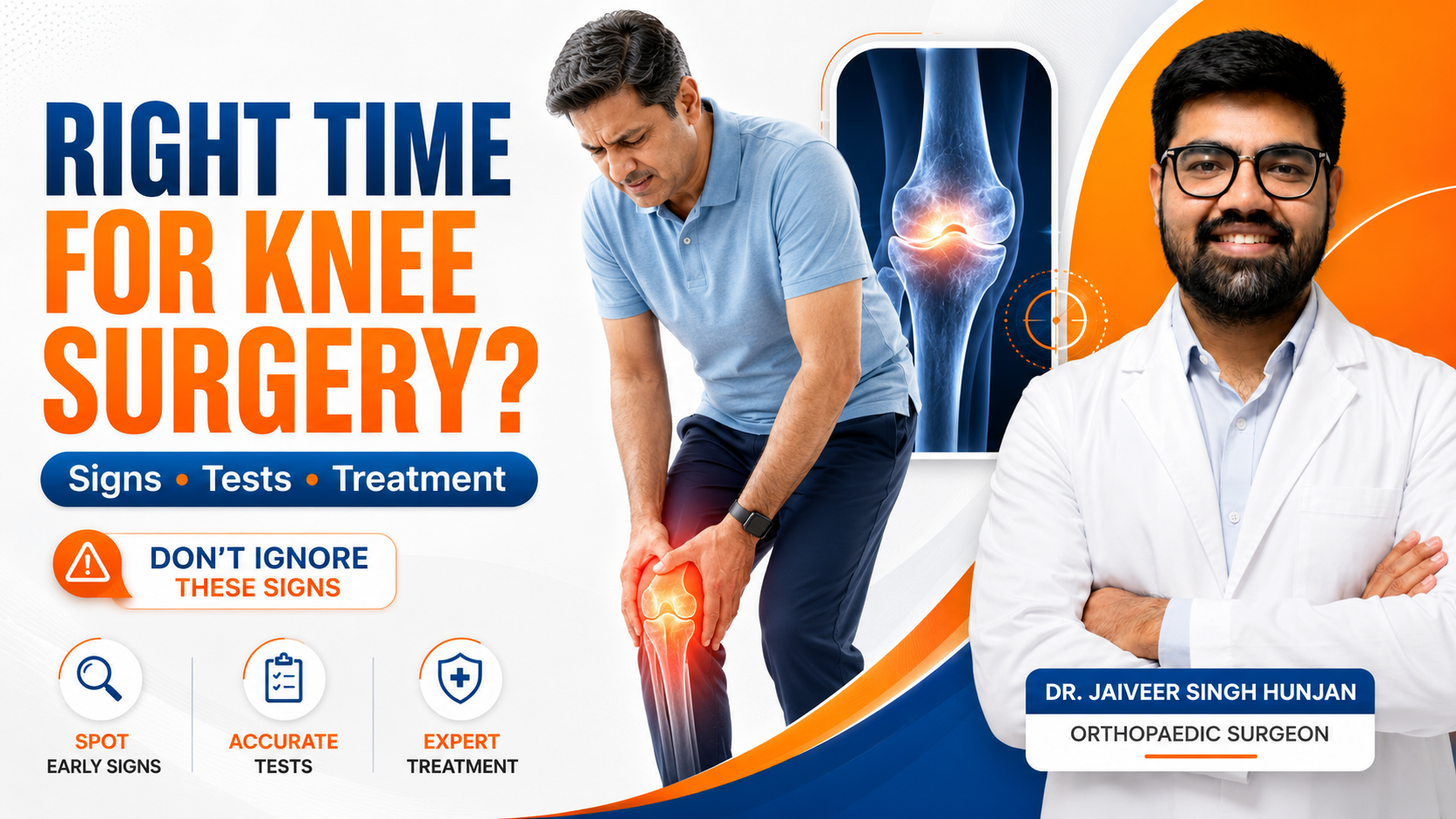
  • When Is the Right Time for Knee Surgery? Signs, Tests & Treatment Options

    When Is the Right Time for Knee Surgery? Signs, Tests & Treatment Options

    Knee pain is common – but knee surgery is not the answer for every patient.

    The right time for knee surgery depends on four factors: the degree of joint damage, how significantly pain affects daily life, whether non-surgical treatments have been tried and failed, and whether the patient is medically fit for the procedure.

    Osteoarthritis is the most frequent joint disease in India, with a prevalence of 22% to 39% across the population. According to data published in the Indian Journal of Orthopaedics (Pal CP, Singh P, Chaturvedi S, Pruthi KK, Vij A, 2016), nearly 45% of women over the age of 65 show symptoms, while 70% of those over 65 show radiological evidence of the disease. Knee pain at this scale is a public health concern – and understanding when surgery is truly needed matters.

    When Does Knee Surgery Become Necessary?

    Knee replacement surgery is considered when the joint is severely worn or damaged and pain starts to interfere with normal life. The most common cause is osteoarthritis – a chronic, progressive condition where the protective cartilage in the knee gradually breaks down, causing bones to rub together and creating pain, stiffness, and reduced movement.

    The National Health Portal of India (nhp.gov.in) states that joint replacement surgery is indicated for patients who experience severe pain, show extensive narrowing of joint space on X-ray, and for whom medicines are no longer effective.

    You may need to discuss knee surgery with an orthopedic surgeon if you experience:

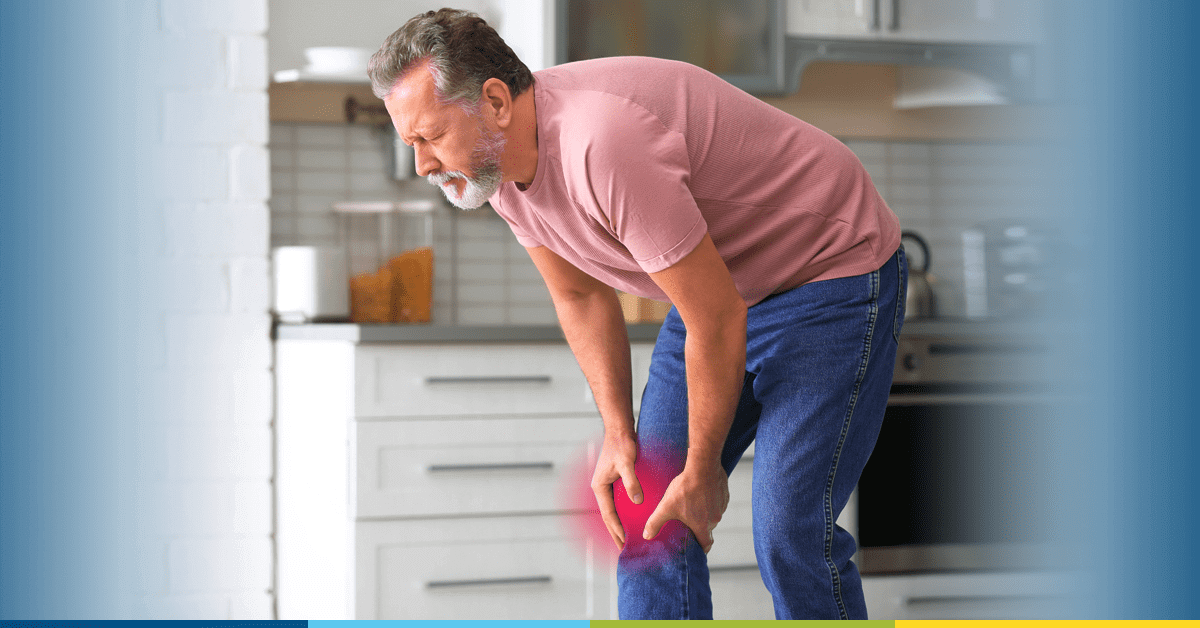
    • Severe knee pain while walking, climbing stairs, or standing
    • Pain at rest or during sleep
    • Persistent stiffness and swelling that does not improve
    • Difficulty rising from a chair or managing stairs
    • Reduced walking capacity
    • Visible knee deformity, such as leg bowing
    • No lasting relief from physiotherapy, medication, lifestyle changes, or injections

    Surgery Is Not the First Step

    For mild to moderate knee arthritis, surgery should not be the first option. The National Health Portal of India clearly states that non-pharmacological treatments should be started first, followed by pharmacological treatment, and only then surgery – if the first two approaches are unsuccessful.

    Doctors typically recommend non-surgical approaches first:

    • Weight management
    • Physiotherapy and guided muscle strengthening
    • Low-impact activity (walking, cycling, swimming)
    • Pain-relief medicines as appropriate
    • Knee braces or supports
    • Corticosteroid or viscosupplementation (hyaluronic acid) injections in selected cases
    • Lifestyle changes to reduce stress on the joint

    The NHP also emphasizes that exercise is the most important intervention in managing osteoarthritis – it builds muscle strength, improves joint flexibility, and benefits patients even when weight is not a concern.

    The Right Time: Not Too Early, Not Too Late

    1. Pain Is Affecting Daily Life

    If knee pain prevents you from walking comfortably, sleeping, working, or managing routine tasks – it is no longer normal aging. It warrants a proper orthopedic evaluation.

    2. Imaging Shows Advanced Joint Damage

    Research published in indexed Indian orthopedic literature indicates that non-operative treatment is appropriate for patients with Kellgren-Lawrence Grade 1–3 arthritis (early to moderate stages). However, in advanced-stage osteoarthritis – Kellgren-Lawrence Grade 4 – surgical treatment is needed as the definitive management. Both clinical symptoms and X-ray grading together guide this decision.

    3. Non-Surgical Treatment Is No Longer Working

    When physiotherapy, medication, injections, and lifestyle modifications provide only temporary or inadequate relief, surgery becomes a reasonable next step.

    4. The Knee Is Stiffening or Deforming

    Waiting too long can make recovery harder – muscles weaken, range of motion decreases, and deformity may worsen over time.

    5. The Patient Is Medically Fit

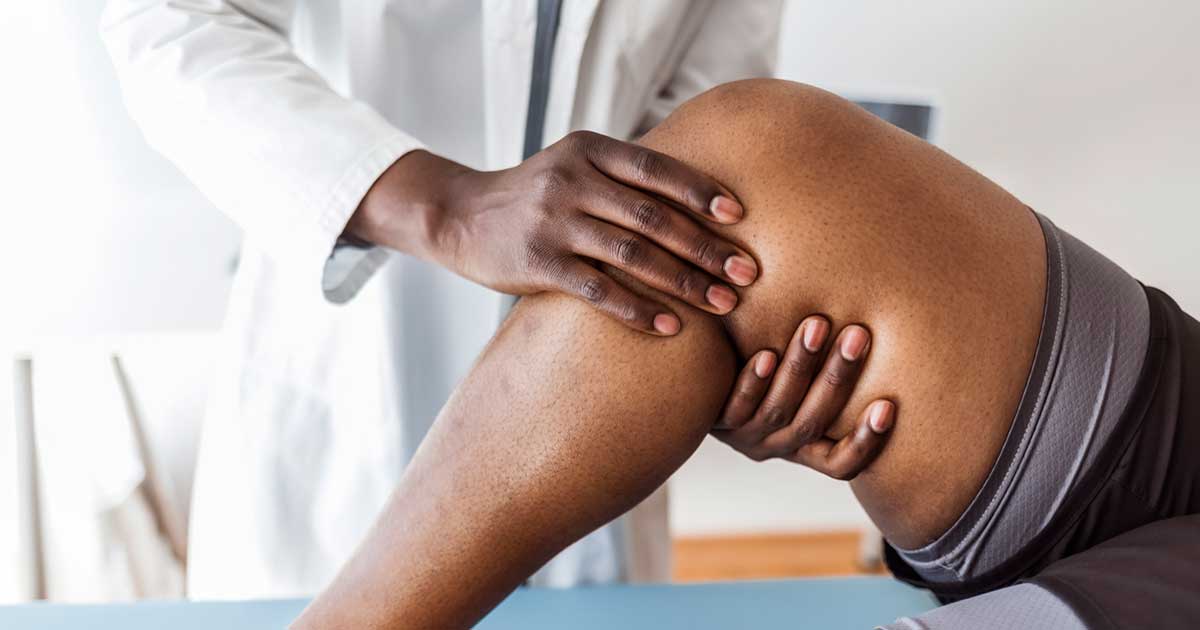
    Before any surgery, doctors assess blood sugar control, blood pressure, cardiac health, infection risk, body weight, smoking or nicotine use, and overall fitness. These factors directly affect surgical safety and recovery.

    A 2023 clinical guideline from the American College of Rheumatology (ACR) and the American Association of Hip and Knee Surgeons (AAHKS) states that for patients with moderate-to-severe osteoarthritis who have failed non-operative treatment and are already suitable for joint replacement, surgery should not be delayed solely to pursue more non-surgical measures. However, medical optimization – particularly for uncontrolled diabetes or active nicotine use – is recommended before proceeding.

    When to Delay or Reconsider Knee Surgery

    Knee surgery may not be immediately appropriate if:

    • Pain is mild and manageable with conservative treatment
    • X-rays show only early arthritis (Kellgren-Lawrence Grade 1–2)
    • Physiotherapy and lifestyle treatment have not been properly attempted
    • Pain originates from the spine, hip, or a nerve – not the knee joint itself
    • Diabetes, active infection, cardiac conditions, or other health issues are not yet controlled
    • Expectations are unrealistic – a replaced knee will not feel identical to a natural joint

    Apollo Hospitals notes that knee replacement is considered for patients with severe arthritis causing acute pain that makes even routine activities difficult, and when conservative measures have clearly failed. Knee replacement carries real risks, including blood clots, infection, nerve injury, and implant complications – which is why careful timing and patient selection matter.

    Total Knee Replacement vs. Partial Knee Replacement

    Not every patient requires a total knee replacement.

    If damage is confined to one compartment of the knee, a surgeon may recommend a partial (unicompartmental) knee replacement. If the entire joint is involved, total knee replacement is typically advised. The choice depends on the patient’s age, weight, activity level, knee anatomy, extent of cartilage damage, and overall health – all of which are assessed before surgery.

    The Scale of Knee Replacement in India

    The Indian Society of Hip and Knee Surgeons (ISHKS) maintains the Indian Joint Registry, which tracks outcomes of joint replacement procedures across the country. The registry reported approximately 27,000 knee replacements in 2019 – a figure that reflects both the growing burden of knee arthritis in India and the increasing availability of quality orthopedic care. The registry functions as a quality improvement tool, monitoring implant performance and supporting best practices in arthroplasty.

    Robotic-Assisted Knee Replacement

    Robotic-assisted knee replacement supports precise surgical planning and accurate implant positioning. The surgeon remains fully in control – the robotic system assists in executing the plan with greater accuracy.

    Hunjan Hospital in Ludhiana uses Mako Robotic Arm-Assisted Technology for knee and joint replacement procedures. This system allows for patient-specific surgical planning and real-time guidance during surgery.

    Dr. Jaiveer Singh Hunjan – MBBS, MS Orthopaedics – leads orthopedic and joint replacement care at Hunjan Hospital. His areas of expertise include arthroscopy, arthroplasty, trauma surgery, sports injuries, and robotic-assisted joint replacement. He has managed over 10,000 trauma and emergency cases and performed more than 2,000 joint replacement surgeries.

    What Results Can Patients Expect?

    Most patients choose knee replacement to reduce pain and improve mobility. Results vary based on age, pre-surgery muscle strength, overall health, implant selection, accuracy of surgical execution, and the patient’s commitment to post-operative physiotherapy and rehabilitation. Many well-performed knee replacements last 15 to 20 years or more – but outcomes are directly tied to patient selection, surgical planning, and rehabilitation.

    Is It Time to See an Orthopedic Surgeon?

    Consider a formal evaluation if:

    • Knee pain has persisted for several months or longer
    • Pain affects walking, stairs, sleep, or daily tasks
    • X-rays show moderate-to-severe arthritis
    • Physiotherapy and medication have not provided adequate relief
    • Injections are no longer effective or providing only short-term benefit
    • Stiffness or deformity is worsening
    • Quality of life is clearly impaired

    The final decision for surgery is made jointly – by the surgeon and the patient – after a thorough clinical assessment.

    Conclusion

    The right time for knee surgery is not defined by age or pain alone. It is determined by a combination of persistent symptoms, confirmed joint damage on imaging, exhausted non-surgical options, and medical fitness for the procedure.

    A practical guide: if knee pain is controlling your life despite proper treatment, it is time for an orthopedic evaluation.

    For patients in Ludhiana and surrounding Punjab seeking knee replacement surgery, robotic knee replacement, or knee arthritis treatment, Hunjan Hospital offers experienced orthopedic care with robotic-assisted joint replacement.

    Hunjan Super Speciality Hospital

    111 Kochar Market Road, South Model Gram, Ludhiana, Punjab

    This article is for general educational purposes only. It does not constitute medical advice, diagnosis, or a treatment recommendation. Decisions about knee surgery must be made in consultation with a qualified orthopedic surgeon following clinical examination, imaging, and review of the patient’s individual health profile.
  • डॉक्टर बलवंत सिंह हुन्जुन से जाने कैसे किया जाता है उनके हॉस्पिटल में ऑर्थोपेडिक से जुड़ी समस्या का इलाज

    डॉक्टर बलवंत सिंह हुन्जुन से जाने कैसे किया जाता है उनके हॉस्पिटल में ऑर्थोपेडिक से जुड़ी समस्या का इलाज

    हुन्जुन हॉस्पिटल के यूट्यूब चैनल में पोस्ट एक इंटरव्यू वीडियो में डॉक्टर बलवंत सिंह हुन्जुन ने यह बताया कि हुन्जुन हॉस्पिटल पिछले 35 सालों से ऑर्थोपेडिक से जुड़ी समस्याओं से पीड़ित मरीज़ का इलाज कर रहा है और इस हॉस्पिटल को ऑर्थोपेडिक से जुड़ी समस्याओं का इलाज करने के नाम से भी जाना जाता है, जहाँ हड्डियों से जुडी सभी समस्याओं का स्थायी और सटीक तरीकों से इलाज किया जाता है | हड्डियों और जोड़ों से जुडी किसी भी प्रकार ऑपरेशन उनके हॉस्पिटल में बड़े ही सटीक तरीकों से किया जाता है, जैसे की जॉइंट नी रिप्लेसमेंट, जो कंप्यूटर नेविगेशन के माध्यम से किया जाता है, कूल्हे को बदलवाना, सोल्डर रिप्लेसमेंट सर्जरी और भी कई ऐसे सफलतापूवर्क सर्जरी किये जाते है, जिसके परिणाम भी काफी बेहतरीन होते है |   


    डॉक्टर बलवंत सिंह हुन्जुन ने यह भी बताया की इसके ;अलावा उनके हॉस्पिटल में अर्थरोस्कोपी थेरेपी भी की जाती है, जिससे कीहोल सर्जरी के नाम से भी जाता है, इसके माध्यम से भी घुटनों के जुड़ी समस्याओं का सफलतापूवर्क सर्जरी किया जाता है | इस फील्ड में अब उनका बेटे डॉक्टर जयवीर सिंह ने उनका साथ देना शुरू कर दिया है, डॉक्टर जयवीर सिंह ने तीन साल ऑर्थोस्कोपी में स्पेशल ट्रेनिंग ली है और अब वह भी ऑर्थोपेडिक से जुड़ी समस्याओं का सटीक इलाज और सफलतापूवर्क सर्जरी कर रहे है | 


    इसके अलावा उनके हॉस्पिटल में रीढ़ की हड्डी से जुडी समस्याओं का सफलतापूवर्क भी इलाज किया जाता है | इसके साथ ही वह मरीज़ों का इलाज के लिए लेटेस्ट उपकरण और नए तकनीकों के उपयोग से करते है, ताकि मरीज़ को उचित उपचार और समस्या का सटीक इलाज प्राप्त हो सके | 

    इससे जुड़ी अधिक जानकारी के लिए दिए गए लिंक पर क्लिक करें और इस वीडियो को पूरा देखें | इसके अलावा आप हुन्जुन हॉस्पिटल नामक यूट्यूब चैनल पर भी विजिट कर सकते है, इस चैनल पर आपको इस विषय संबंधी संपूर्ण जानकारी पर वीडियो प्राप्त हो जाएगी | 


    यदि आप में से कोई भी व्यक्ति हड्डियों से जुड़ी किसी भी प्रकार की समस्या से गुज़र रहा है और सटीक इलाज करवाना चाहता है तो इसके लिए आप हुन्जुन हॉस्पिटल से परामर्श कर सकते है | इस संस्था के सभी डॉक्टर ऑर्थोपेडिक्स में स्पेशलिस्ट है, जो इस समस्या को कम करने में आपकी पूर्ण रूप से मदद कर सकते है | इसलिए आज ही हुन्जुन हॉस्पिटल नामक वेबसाइट पर जाएं और अपनी अप्पोइन्मेंट को बुक करें | आप चाहे तो वेबसाइट में मौजूद नंबरों से भी संपर्क कर सकते है |

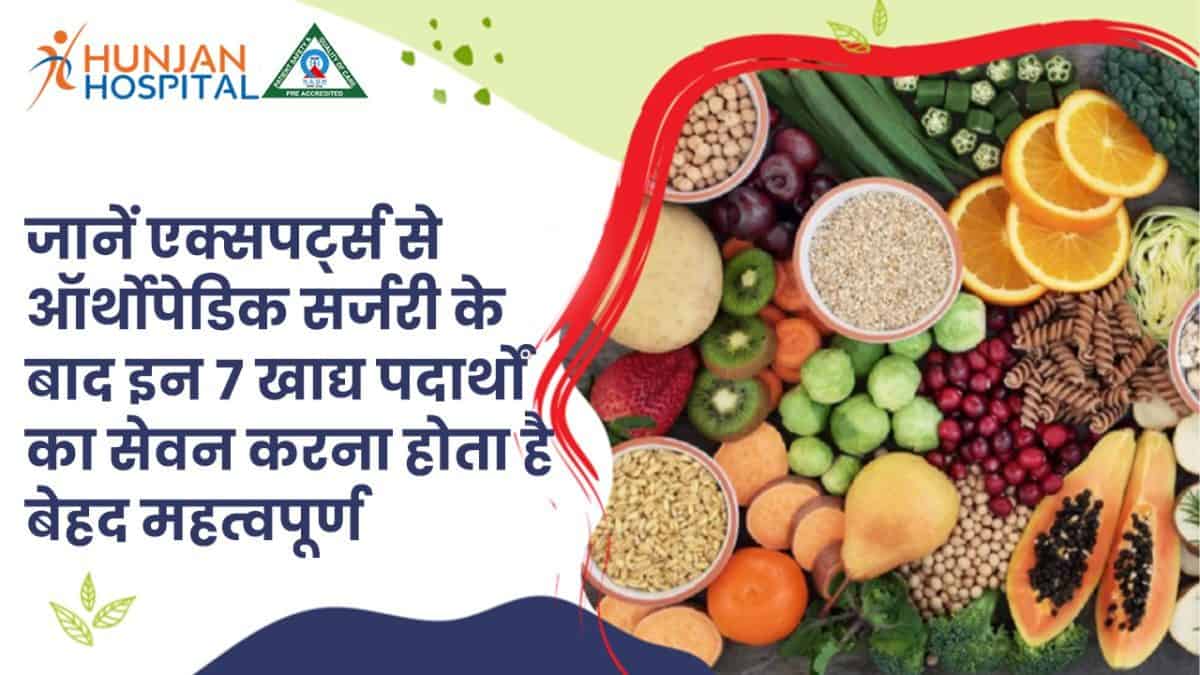
  • जानें एक्सपर्ट्स से ऑर्थोपेडिक सर्जरी के बाद इन 7 खाद्य पदार्थों का सेवन करना होता है बेहद महत्वपूर्ण

    जानें एक्सपर्ट्स से ऑर्थोपेडिक सर्जरी के बाद इन 7 खाद्य पदार्थों का सेवन करना होता है बेहद महत्वपूर्ण

    हुन्जुन हॉस्पिटल ने अपने यूट्यूब चैनल में पोस्ट एक वीडियो के माध्यम से यह बताया कि ऑर्थोपेडिक सर्जरी करवाने के बाद मरीज़ को आराम के साथ-साथ एक स्वस्थ आहार को अपनाना बेहद ज़रूरी होता है, क्योंकि यह मरीज़ को मधुमेह और हृदयघात जैसे समस्या से दूर रखने का कार्य करता है | सर्जरी को करवाने के बाद मरीज़ शरीरक और मानसिक रूप से काफी कमज़ोर हो जाता है, जिससे रिकवर होने के लिए सख्त आराम और आहार की आवशयकता होती है | इसलिए सर्जरी के बाद प्रतिरक्षा प्रणाली को बढ़ावा देने के लिए मरीज़ को इन 7 खाद्य पदार्थों का सेवन ज़रुर करना चाहिए, ताकि वह जल्द से जल्द रिकवर हो सके | आइये जानते है इन 7 खाद्य पदार्थों के बारे में :- 


    • प्रोटीन :- सर्जरी से उबरने के लिए प्रोटीन को आवश्यक खाद्य पदार्थों में से एक माना जाता है, क्यों प्रोटीन संक्रमण को रोकने का कार्य करती है और साथ ही हड्डियों के द्रव्यमान को बढ़ाने में भी मदद करती है | इसलिए मरीज़ को सोयाबीन, चिया सीड्स, बथुआ और पालक जैसे प्रोटीन से भरपूर खाद्य पदाथों का सेवन करना चाहिए |   


    • कैल्शियम :- कैल्शियम हड्डियों की मज़बूती को बढ़ाने के साथ-साथ इससे बरक़रार रखने में भी मदद करती है | इसलिए मरीज़ को हरी सब्ज़ियां, सोया से बने पदार्थ, मछली और दूध का सेवन करना चाहिए | 


    • विटामिन डी :- विटामिन डी को उपभोग करने के सबसे अच्छा तरीका है, सूर्य की किरणें | सूर्य स्वाभाविक रूप से विटामिन डी जैसे पोषक तत्व की आपूर्ति करता है |   


    • विटामिन सी :- विटामिन सी एंटीऑक्सीडेंट से भरपूर होती है, जो मानव शरीर के प्रतिरक्षा प्रणाली को बढ़ाने में सहायता करता है | इसलिए मरीज़ को विटामिन सी से भरपूर ब्रोकोली, रेग पेपर्स, पत्तागोभी और टमाटर जैसे खाद्य पदार्थ का सेवन करना चाहिए | 


    • जिंक :- जिंक से भरपूर खाद पदार्थ सर्जरी से होने वाले घाव को तेज़ी से भरने में काफी मदद करता है, इसलिए मरीज़ को पमकिन सीड्स, डार्क चॉकलेट, मीट एंड चिकन और काजू जैसे खाद्य पदार्थ का सेवन करना चाहिए |    


    • ओमेगा 3 :- फैटी फिश, नट्स, सीड्स और केनोला आयल जैसे खाद पदार्थ  ओमेगा 3  से भरपूर होते है | 


    • फाइबर :- ब्लैक बीन्स, नट्स, चिया सीड्स और लेनटिल्स फाइबर जैसे गुणों से भरपूर होते है | 


    इससे जुड़ी अधिक जानकारी के लिए दिए गए लिंक पर क्लिक करे और इस वीडियो को पूरा देखें | इसके आलावा आप हुन्जुन हॉस्पिटल नामक वेबसाइट पर भी विजिट कर सकते है |


    यदि आप हड्डियों से जुड़ी किसी भी प्रकार की समस्या से गुजर रहे है तो आज ही हुन्जुन हॉस्पिटल नामक वेबसाइट पर जाएं और अपनी अप्पोइन्मेंट को बुक करें | 


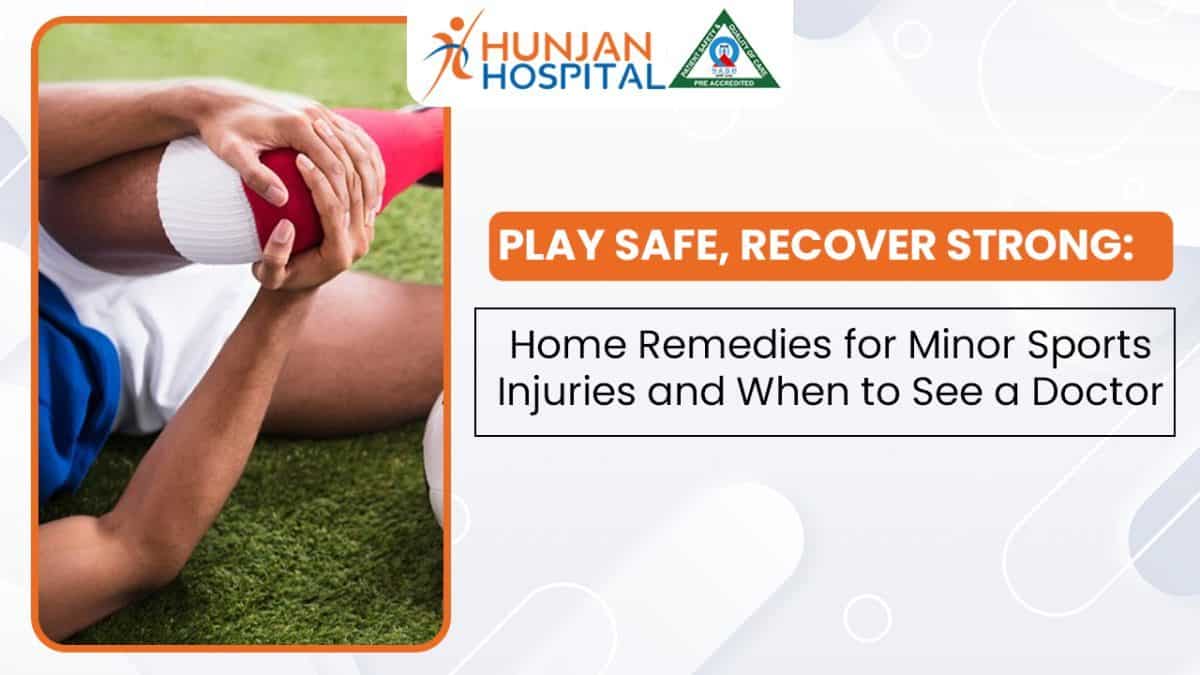
  • Play Safe, Recover Strong: Home Remedies for Minor Sports Injuries and When to See a Doctor

    Play Safe, Recover Strong: Home Remedies for Minor Sports Injuries and When to See a Doctor

    Being involved with sports of any nature comes with the risk of facing orthopaedic injuries on the field. These injuries can range from being easily manageable to requiring surgery – it depends on how badly you have injured yourself. If the injury appears to be manageable, you can try any of the following home remedies to relieve the pain:

    • Proper bed rest: If the pain does not alleviate after a few hours, you can try resting for a day or two.
    • Ice: Using Ice compressions can help with the pain 
    • Pain Medication: Taking some analgesics could help in pain management


    If the pain persists despite trying everything, you could have sustained a much more serious injury. It is advised that you immediately go see an orthopaedic expert so they can analyze and diagnose you properly. 


    A serious injury can hinder your ability to play and engage with the sport. It can have an impact on the following muscles: 

    • Knee
    • Elbow
    • Ankle


    Serious sports injuries can often require an arthroscopy, which can only be done by experts. At Hunjan Hospital, you can find answers to all your orthopaedic needs. With our team of highly-trained and experienced doctors, you are sure to find some sense of peace. We house state-of-the-art technological equipment for your wellness and betterment – including the apparatus to conduct robotic knee surgery. If you are facing any knee-related troubles, book your appointment today and get back in the game.

  • Difference Between Orthopedic Surgery and Non-Surgery Treatment

    Difference Between Orthopedic Surgery and Non-Surgery Treatment

    Orthopedics is the broad-based medical and surgical speciality dedicated to preventing and treating diseases and injuries of the musculoskeletal system (a human body component that gives us movement, steadiness, form, and support)and diagnosing. Orthopedic conditions, such as arthritis and bursitis, affect the musculoskeletal system. They can cause dysfunction and pain, making even normal daily activities difficult. If you feel joint pain or other bone problems, visit the best ortho hospital Ludhiana; they have orthopedics and non-surgical treatments. 


    What Is Orthopedic Surgery?

    Orthopedic surgery is a procedure on the musculoskeletal system. Orthopedic surgery deals with congenital and acquired disorders, acute injuries, and chronic arthritic or overuse conditions of the bones, including ligaments, nerves and muscles, joints and their associated soft tissues. Orthopedic care reduces or eliminates an injury or condition that causes pain. One of the most common reasons for chronic pain is osteoarthritis. Please book an appointment with the best ortho doctor in India; they can diagnose and recommend an effective treatment plan.


    What Are Non-Surgical Treatments?   

    Non-surgical procedures can be grouped into five broad classes: first is physical examination (propaedeutic procedures) tests, x-rays and scans (diagnostic procedures) treatment to repair the effects of injury, disease or malfunctions, including medicines, physical and radiation therapies (therapeutic procedures). Non-surgical procedures are less risky because they do not require incisions or anesthesia. However, certain non-surgical treatments can have specific side effects, including swelling, redness, or bruising in the areas treated. These issues go away quickly. 


    Preparing For Surgical Or Non-Surgical Treatments: 

    • Do Exercise: Exercise slows the rate of bone loss and preserves bone tissue, reducing the risk of fractures. Exercise helps reduce the risk of falls. Excessively vigorous exercise can increase the fracture risk, so see an exercise physiologist or physiotherapist for expert advice.
    • Maintain Healthy Weight: Weight-bearing activities that stress bones reduce the risk of osteoporosis (that can increase the risk of fractures), and strength training can increase bone density. Strength training can help with weight loss management and increase metabolism to help burn more calories.
    • Choose The Right Surgeon: Orthopedic doctors also offer extensive services to help you maintain health and well-being. These services include exercise programs, physical therapy, and advice on healthy lifestyle changes such as weight and diet management.
    • Follow Diet: Eat green vegetables, cheese, plant-based drinks, soya beans and nuts because they are rich in calcium, and calcium is good for strong bones.


    Conclusion: 

    Orthopedic disorders can be treated surgically and non-surgically using medications, physical therapies, exercises, alternative therapies, or a variety of surgical techniques. Some surgical approaches to treating orthopedic disorders are non-interventional. If you have injuries and other bone problems that make it difficult for you to do your daily activities, then you should visit the best Ortho Hospital in Ludhiana, where they will provide the best treatment.

  • क्या सर्जरी से हो सकता है हड्डियों के टेढ़ेपन का इलाज ? जानिए क्या है एक्सपर्ट्स की राय

    क्या सर्जरी से हो सकता है हड्डियों के टेढ़ेपन का इलाज ? जानिए क्या है एक्सपर्ट्स की राय

    हड्डियों के टेढ़ेपन से जूझ रहे व्यक्ति अक्सर स्पाइनल कॉर्ड में होने वाले सर्जरी से परेशान रहते है | लेकिन मिनिमल इनवेसिव स्पाइनल सर्जरी ही एकलौता ऐसा सर्जरी है, जिसकी सहयता से हड्डियों के टेढ़ेपन जैसी समस्या से छुटकारा पाया जा सकता है | मिनिल इनवेसिव टेक्नोलॉजी की जानकारी बहुत कम लोगों के पास  है, जिसके चलते कई लोग अपना इलाज करवाने से भी डरते है | 

    कन्वेशल स्पाइन सर्जरी के मुकाबले में एम आई एस एस तकनीक से हुई सर्जरी ज्यादा लाभ देती है | इस तकनीक की सहायता से स्पाइनल कॉर्ड की सर्जरी के साथ-साथ वर्टिब्रल सर्जरी करना भी शामिल है | मिनिमल इनवेसिव स्पाइनल सर्जरी का सक्सेस रेट करीब 90 प्रतिशत है | 

    हुन्जुन हॉस्पिटल के चेयरमैन डॉक्टर बलवंत सिंह हुन्जुन जो की ऑर्थोपेडिक के एक्सपर्ट है, उन्होंने ने बताया की कैसे इस तकनीक की सहायता से हड्डियों के टेढ़ेपन से छुटकारा पाया जा सकता है | आइये जानते है क्या है  एक्सपर्ट्स की राय 

    क्या है  मिनिमल इनवेसिव स्पाइनल सर्जरी ? 

    डॉक्टर बलवंत सिंह हुन्जुन के अनुसार कन्वेशल स्पाइन सर्जरी की तुलना में  मिनिमल इनवेसिव स्पाइनल सर्जरी ज्यादा सुरक्षित रहती है और हड्डियों को ठीक में होने ज़्यादा समय भी नहीं लगता | इस सर्जरी के बाद किसी भी तरह के परेशानी के उत्पन होने का खतरा भी बहुत कम होता है | 

    मिनिमल इनवेसिव स्पाइनल सर्जरी के दौरान सर्जन अनुक्रमत्व विस्तार द्वारा मरीज़ के पीठ की मासपेशियों के जरिये एक नली बनता है, जिससे कोशिका नष्ट हो जाती है और दर्द भी कम होता है | लेकिन कन्वेशल स्पाइन सर्जरी में मरीज़ के वर्टिब्रे टुकड़े की मासपेशियां को ही निकल दिया जाता है | 

    मिनिमल इनवेसिव स्पाइनल सर्जरी के ऑपरेशन के बाद आये निशान बहुत काम होते है या फिर एक माप से भी  छोटे होते है, वही इससे विपरीत कन्वेशल स्पाइन सर्जरी के ऑपरेशन के बाद काफी बड़ा निशान रह जाता है | 

    मिनिमल इनवेसिव स्पाइनल सर्जरी की किया जाता है हड्डियों के टेढ़ेपन का इलाज 

    एम आई एस एस  हड्डियों के टेढ़ेपन से झूझ रहे हर मरीज़ के लिए पूर्ण नहीं होता | इस सर्जरी को व्यक्तिगत के अनुसार ही मूल्याकंत किया जाता है और मरीज़ को परामर्श दिया जाता है | यदि डॉक्टर ने मरीज़ को पीढ़ी दर पीढ़ी होने वाले इस समस्या की  खुली धारणा का प्रमाण दे दिया है तो इसका मतलब यह नहीं की इस समस्या को ठीक होने में बहुत लम्बा समय लगेगा या फिर बहुत कष्टदाय होगा | इससे लिए मरीज़ को इस उप्लाब्दों के बारे में खुद को शिक्षिक करना चाहिए ताकि वह मरीज़ डॉक्टर के साथ अपने विकल्पों पर विचार विमर्श कर सके और स्वंय के सही विकल्पों का चुनाव कर सके | 

    एम आई एस एस लाभ क्या है ?  

    कन्वेशल स्पाइन सर्जरी के मुकाबले एम आई एस एस के ज्यादा लाभ है | 

    • सर्जरी के बाद किसी भी प्रकार की कमजोरी का न आना 
    • समस्या से जल्दी से ठीक हो जाना  
    • हॉस्पिटल में ज्यादा दिन तक भर्ती न रहना 
    • रोग मुक्त हो जाना 
    • ऑपरेशन के बाद न्यूमतन निशान का रहना 
    • ऑपरेशन के बाद संक्रमण या फिर कोई भी दुष्प्रभाव ना होना 
    • कम से कम कोशिकाएं का नष्ट होना, जिसे दर्द भी बहुत कम होता है 
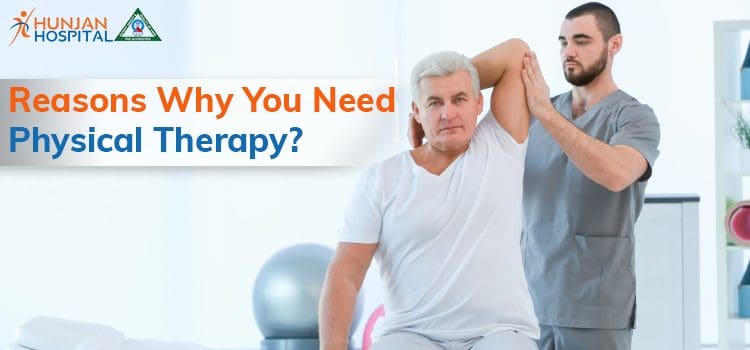
  • Benefits of Physical Therapy After Orthopaedic Surgery

    Benefits of Physical Therapy After Orthopaedic Surgery

    Every time someone goes for an orthopedic surgery, you will notice reduced mobility in their body. If we look at the older treatment methods under orthopedic surgeries, the recovery time used to be extensive, but nowadays, the surgeries have become more efficient and reduced complications.

    Also, physical therapy has been added to the list after orthopedic Surgery.

    Still, most people believe that physical therapy is not essential. If you also think the same, this post is for you, as here we will help you understand the benefits of physical therapy.

    How Physical Therapy Helps After Orthopaedic Surgery?

    There are several ways physiotherapy helps a person after orthopedic Surgery, let us have a look at some of them:

    The first and most significant reason physical therapy is prescribed to a patient after their orthopedic Surgery is to enhance the person’s mobility. With the help of physical therapy, the person can move their body more effortlessly and live an everyday life easily.

    Every time someone goes for orthopedic Surgery, they face many pain-related issues. So the second reason that makes physical therapy important after orthopedic Surgery is it helps with pain management issues.

    Following all the movements made during physiotherapy could eliminate any development linked with blood clots. However, it is said that if you sit or keep your body in one position for a long time, blood clots usually form, and in severe cases, it can lead to blockage issues.

    Most people are unaware of this fact, but because of the trauma of the Surgery, your tissues and muscles weaken. Hence if you want to strengthen them back, then physiotherapy is important.

    Even if the patient thinks he is completely fine and doesn’t want to go for physiotherapy, they should also look for therapy, as their body would be able to get more strength to do the work.

    With the help of physiotherapy, the patient could get more confidence about his body and movements. Hence if you are someone whose Surgery is completely cured, but you cannot walk or do movements properly then physical therapy is the right option for you.

    Do we need Physical Therapy after every Orthopaedic Surgery?

    Physical therapy is suggested after almost every Orthopaedic Surgery because with the help of physiotherapy, you can get the motion of your body back, and it also helps with pain relief.

    Let us have a look at the list of orthopedic surgeries after which you need physical therapy:

    Shoulder Replacement Surgery
    Hip or Knee Joint Replacement Surgery
    Spinal Surgery
    Ankle or Elbow Reconstruction
    Rotator Cuff Repairs

    There are many more such orthopedic surgeries after which physical therapy is essential.

    Conclusion:

    If you are looking for the best Orthopaedic hospital in Ludhiana, then Hunjan Hospital is the best option, as they have the best Orthopaedic Surgeon in India

  • Guide to know about availability of orthopedic surgery

    Guide to know about availability of orthopedic surgery

    Orthopedic surgery is medical surgery related to the injuries and dislocation of the bones and diseases related to  joints, muscles etc. It directly deals with the musculoskeletal system of the body.To know more about the Orthopaedic Surgeon In India let’s study the general procedure of orthopedic surgery.

    General Procedure for the Orthopedic surgery 

    The general procedure for the orthopedic surgery consists of following steps at Orthopedic Hospital in Ludhiana:

    1. Preoperative evaluation: Before the surgical operation , some preoperative evaluation  will be done in which the patient will go through a physical examination which generally includes, review of medical history, X-rays or MRI scans etc. 
    2. Anesthesia: On the day of the surgery the patient will be laid down to the bed comfortably and will be given Anesthesia later on, to make the surgical operation pain free for the patient. 
    3. Incision: After anesthesia , the surgeon will make an incision to access the affected area. The size and location of the incision will be depending on the procedure of the orthopedic surgery being performed.
    4. Surgical Intervention: The surgical intervention generally means the necessary steps taken by the surgeon to deal with the affected area which involves realigning fractured bones, repairing fractured bones, removing damaged tissues or replacing joints with artificial implants.
    • Closure: When the surgical intervention is done , the surgeon will carefully close the incision by using staples. With the help of proper dressing and bandages on the surgical site proper protection would be provided to it.
    1. Recovery: After the surgery is done, the patient is asked to stay in the recovery area for the observation to avoid the further complexities.

    For further any concerns related to the surgical procedure you can check at Orthopedic Hospital in Ludhiana, and you can discuss it directly with your surgeon.

    Risks related to the orthopedic surgery

    Like any other surgical operation, the orthopedic surgery also contains certain risks as listed below:

    • Infection: After the surgical operation there is risk of infection at the surgical site. Surgeons take precautions to minimize this risk, by using antibiotics and sterile techniques.
    •  Bleeding: Surgeries involve the procedure of incision which leads to bleeding. Although during 

    the procedure proper measure are taken by the surgeons to control the bleeding but sometime further measures need to be taken

    •  Blood clots: Surgery increases the risks of developing blood clots at the surgical site. To prevent this proper measures like blood thinning medicines or compression stockings needs to be taken.
    • Anesthesia risks: Anesthesia procedure carries its own sets of risks like, allergic reactions, breathing problems etc. 
    • Poor wound healing: In some cases the wound healing is not quick and proper which increases the risk of further infection.

     It is important to note down that no doubt orthopedic surgery may contain these certain risks but usually orthopedic surgery is safe and effective. But by getting to know about the good Orthopedic Hospital in Ludhiana you can make this procedure for yourself safe.


  • ऑस्टियोपोरोसिस के क्या है लक्षण और कारण ?

    ऑस्टियोपोरोसिस के क्या है लक्षण और कारण ?

    ऑस्टियोपोरोसिस एक सामान्य हड्डी की स्थिति है जो दुनिया भर में लाखों लोगों को प्रभावित करती है। इस लेख में हमारा उद्देश्य ऑस्टियोपोरोसिस के लक्षणों और कारणों की व्याख्या करना है, तो अगर हड्डियों से संबंधित समस्या का अगर आप सामना कर रहें है, तो इसके लिए लेख के साथ अंत तक बने रहें ; 

    ऑस्टियोपोरोसिस के लक्षण क्या है ?

    फ्रैक्चर : 

    फ्रैक्चर होने तक ऑस्टियोपोरोसिस पर अक्सर ध्यान नहीं दिया जाता है। साधारण गिरावट या छोटी दुर्घटनाओं से कूल्हे, रीढ़ या कलाई में फ्रैक्चर हो सकता है।

    पीठ दर्द : 

    लगातार पीठ दर्द, जिसे अक्सर सुस्त या दर्द के रूप में वर्णित किया जाता है, कमजोर हड्डियों के कारण रीढ़ की हड्डी में फ्रैक्चर का प्रारंभिक संकेत हो सकता है। पीठ दर्द की समस्या से बचाव के लिए आपको लुधियाना में बेस्ट आर्थोपेडिक सर्जन का चयन करना चाहिए।

    ऊंचाई में कमी : 

    जैसे-जैसे रीढ़ की हड्डियां कमजोर होती है और ढह जाती है, समय के साथ ऊंचाई में उल्लेखनीय कमी आ सकती है।

    झुकी हुई मुद्रा : 

    रीढ़ की हड्डी के कशेरुकाओं के संपीड़न के कारण ऑस्टियोपोरोसिस झुकी हुई या झुकी हुई मुद्रा का कारण बन सकता है, जिसे किफोसिस के रूप में जाना जाता है।

    पकड़ की ताकत में कमी : 

    कमजोर हड्डियाँ पकड़ की ताकत को भी प्रभावित कर सकती है और कलाई के फ्रैक्चर का खतरा बढ़ा सकती है।

    ऑस्टियोपोरोसिस के कारण –

    • उम्र बढ़ने की प्रक्रिया ऑस्टियोपोरोसिस का प्राथमिक कारण है। जैसे-जैसे हमारी उम्र बढ़ती है, हमारी हड्डियाँ स्वाभाविक रूप से कम घनी और अधिक नाजुक हो जाती है।
    • हार्मोनल परिवर्तन हड्डियों के स्वास्थ्य में महत्वपूर्ण भूमिका निभाते है। रजोनिवृत्ति के दौरान एस्ट्रोजन के स्तर में कमी के कारण महिलाएं, विशेष रूप से, ऑस्टियोपोरोसिस के प्रति अधिक संवेदनशील होती है।
    • कम कैल्शियम और विटामिन डी वाला आहार हड्डियों को कमजोर कर सकता है। ये पोषक तत्व हड्डियों के घनत्व को बनाए रखने के लिए आवश्यक है।
    • गतिहीन जीवनशैली के परिणामस्वरूप हड्डियाँ कमज़ोर हो सकती है। नियमित वजन उठाने वाले व्यायाम हड्डियों को मजबूत बनाने में मदद करते है।
    • धूम्रपान शरीर की कैल्शियम को अवशोषित करने की क्षमता में बाधा डाल सकता है, जिससे हड्डियों के कमजोर होने की अधिक संभावना होती है।
    • शराब का अधिक सेवन शरीर की कैल्शियम को अवशोषित करने की क्षमता में हस्तक्षेप कर सकता है और हड्डियों के स्वास्थ्य पर नकारात्मक प्रभाव डाल सकता है।
    • पारिवारिक इतिहास ऑस्टियोपोरोसिस में भूमिका निभाता है। यदि आपके माता-पिता या दादा-दादी को यह बीमारी है, तो आप अधिक जोखिम में हो सकते है।
    • कुछ दवाएं, जैसे स्टेरॉयड और कुछ दौरे-रोधी दवाएं, हड्डियों के घनत्व को कम कर सकती है और ऑस्टियोपोरोसिस के खतरे को बढ़ा सकती है।
    • कुछ चिकित्सीय स्थितियाँ, जैसे सीलिएक रोग और रुमेटीइड गठिया, ऑस्टियोपोरोसिस में योगदान कर सकती है।

    ऑस्टियोपोरोसिस का खतरा किसे सबसे ज्यादा है !

    • किसी व्यक्ति का शरीर और वजन उनके ऑस्टियोपोरोसिस जोखिम को प्रभावित करते है। छोटे फ्रेम और हल्के वजन वाले लोगों को अधिक खतरा होता है।
    • यदि आपके परिवार में ऑस्टियोपोरोसिस का इतिहास है तो आपको ऑस्टियोपोरोसिस का खतरा अधिक हो सकता है। उदाहरण के लिए, हो सकता है कि मामूली गिरावट के बाद उनके कूल्हे टूट गए हों।
    • इसके अलावा, कुछ चिकित्सीय स्थितियां और दवाएं, जिनमें अनियमित हार्मोन स्तर से जुड़ी कुछ दवाएं भी शामिल है, आपके ऑस्टियोपोरोसिस के खतरे को बढ़ा सकती है।
    • अगर आपकी हड्डी टूट गई है या उसमें किसी भी तरह की समस्या उत्पन्न हो गई तो इससे बचाव के लिए आपको लुधियाना में बेस्ट आर्थोपेडिक सर्जरी का चयन करना चाहिए।

    सुझाव :

    अगर आपकी हड्डी में किसी भी तरह की समस्या आ गई तो इससे बचाव के लिए आपको हुंजन हॉस्पिटल का चयन करना चाहिए। लेकिन ध्यान रहें अगर आपके हड्डी में मामूली सी चोट आई है तो इसके लिए सर्जरी का चयन करने से पहले एक बार डॉक्टर से जरूर सलाह लें।

    निष्कर्ष :

    ऑस्टियोपोरोसिस एक ऐसी स्थिति है जो कमजोर हड्डियों की विशेषता है, और इसके लक्षणों और कारणों को पहचानना महत्वपूर्ण है। संतुलित आहार बनाए रखकर, नियमित शारीरिक गतिविधि में संलग्न होकर और धूम्रपान और अत्यधिक शराब के सेवन जैसे जोखिम कारकों से बचकर, आप ऑस्टियोपोरोसिस विकसित होने की संभावना को कम कर सकते है। इसके अतिरिक्त, ऑस्टियोपोरोसिस के बारे में सूचित रहना और यदि आपको संदेह है कि आप जोखिम में है, तो शीघ्र निदान और उचित बचाव के लिए अपने स्वास्थ्य सेवा प्रदाता से बात करना महत्वपूर्ण है।

  • घुटनों में दर्द होने पर किस तरह के उपाय को अपनाना आपके लिए सहायक होगा ?

    घुटनों में दर्द होने पर किस तरह के उपाय को अपनाना आपके लिए सहायक होगा ?

    घुटनों का दर्द एक आम और परेशान करने वाली समस्या हो सकती है, जो हर उम्र के लोगों को प्रभावित करती है। चाहे यह चोट, गठिया या अत्यधिक उपयोग के कारण हो, सक्रिय और स्वस्थ जीवनशैली बनाए रखने के लिए राहत पाना आवश्यक है। इस ब्लॉग पोस्ट में, हम कुछ सरल उपायों के बारे में जानेंगे जो घुटने के दर्द को कम करने में आपकी काफी मदद करेंगे ;

    घुटनों में दर्द होने पर कौन-से उपाय है मददगार ?

    आराम : 

    घुटने के दर्द का अनुभव होने पर आप जो सबसे तत्काल कदम उठा सकते है, उनमें से एक है अपने घुटने को थोड़ा आराम देना। प्रभावित घुटने पर बहुत अधिक वजन डालने से बचें और दर्द को बढ़ाने वाली गतिविधियों से बचें। आराम आपके घुटने को ठीक होने में मदद करता है।                                                                                                                                                                                                                                                                                              बर्फ : 

    अपने घुटने पर बर्फ लगाने से सूजन को कम करने और क्षेत्र को सुन्न करने में मदद मिल सकती है, जिससे दर्द से राहत मिल सकती है। आइस पैक का उपयोग करें या कपड़े में बर्फ लपेटें और इसे दिन में कई बार 15 से 20 मिनट के लिए अपने घुटने पर लगाएं।

    संपीड़न : 

    घुटने में ब्रेस या पट्टी पहनने से आपके घुटने के जोड़ को सहारा मिल सकता है, दर्द कम हो सकता है और आगे की चोट को रोका जा सकता है। संपीड़न भी सूजन को नियंत्रित करने में मदद करता है। अगर घुटने में दर्द की समस्या ज्यादा बढ़ जाए और स्थिति सर्जरी की आ जाए तो इससे बचाव के लिए आपको लुधियाना में बेस्ट आर्थोपेडिक सर्जरी का चयन करना चाहिए। पर डॉक्टरी सलाह जरूर लें।

    ऊंचाई : 

    जब भी संभव हो अपने पैर को ऊपर उठाने से सूजन को कम करने और प्रभावित क्षेत्र में रक्त परिसंचरण में सुधार करने में मदद मिल सकती है। बैठते या लेटते समय अपने पैर को सहारा देने के लिए तकिए या कुशन का प्रयोग करें।

    दवाएं : 

    इबुप्रोफेन या एसिटामिनोफेन जैसी ओवर-द-काउंटर दर्द निवारक दवाएं घुटने के दर्द और सूजन को कम करने में प्रभावी हो सकती हैं। अनुशंसित खुराक का पालन करें और यदि आपको कोई चिंता हो तो स्वास्थ्य देखभाल पेशेवर से परामर्श लें।

    भौतिक चिकित्सा : 

    एक भौतिक चिकित्सक आपकी विशिष्ट स्थिति के अनुरूप व्यायाम और स्ट्रेच प्रदान कर सकता है। ये व्यायाम आपके घुटने के आसपास की मांसपेशियों को मजबूत करने और जोड़ों की स्थिरता में सुधार करने में मदद कर सकते है।

    वजन प्रबंधन : 

    घुटनों पर तनाव कम करने के लिए स्वस्थ वजन बनाए रखना महत्वपूर्ण है। अतिरिक्त वजन घुटने के दर्द को बढ़ा सकता है, इसलिए उन अतिरिक्त पाउंड को कम करने के लिए आहार में बदलाव करने और नियमित व्यायाम को शामिल करने पर विचार करें।

    उचित जूते पहने : 

    सहायक और आरामदायक जूते पहनने से आपके शरीर के वजन को समान रूप से वितरित करने और आपके घुटनों पर तनाव कम करने में मदद मिल सकती है। अपर्याप्त आर्च सपोर्ट वाले ऊँची एड़ी और जूतों से बचें।

    हॉट पैक : 

    आइस पैक के अलावा, हॉट पैक भी रक्त प्रवाह को बढ़ाकर और मांसपेशियों को आराम देकर राहत प्रदान कर सकते है। सर्वोत्तम परिणामों के लिए बर्फ और ताप चिकित्सा के बीच वैकल्पिक प्रयोग करें।

    कम प्रभाव वाले व्यायाम करें : 

    तैराकी, साइकिल चलाना या हल्के योग जैसे कम प्रभाव वाले व्यायामों में शामिल होने से आपके जोड़ों पर अत्यधिक दबाव डाले बिना घुटने के लचीलेपन और ताकत को बनाए रखने में मदद मिल सकती है।

    जलयोजन : 

    जोड़ों के समग्र स्वास्थ्य के लिए अच्छी तरह से हाइड्रेटेड रहना आवश्यक है। पानी जोड़ों को चिकनाई देने और उनके कार्य को बनाए रखने में मदद करता है।

    उच्च प्रभाव वाली गतिविधियों से बचें : 

    ऐसी गतिविधियों से दूर रहें जिनमें कूदना या दिशा में अचानक बदलाव शामिल हो, क्योंकि इससे घुटने का दर्द बढ़ सकता है। इसके बजाय, ऐसी गतिविधियाँ चुनें जो आपके जोड़ों के लिए कोमल हों।

    उचित तकनीक : 

    यदि आप ऐसे खेल या गतिविधियों में संलग्न हैं, जिनमें दोहराव वाली गतिविधियां शामिल है, तो सुनिश्चित करें कि आप चोट के जोखिम को कम करने के लिए उचित तकनीक और उपकरण का उपयोग करें।

    विशेषज्ञ से परामर्श लें : 

    यदि इन उपायों को आजमाने के बावजूद आपके घुटने का दर्द बना रहता है या बिगड़ जाता है, तो किसी स्वास्थ्य देखभाल पेशेवर या लुधियाना में बेस्ट आर्थोपेडिक सर्जन से परामर्श लें। क्युकि वे अधिक सटीक निदान प्रदान कर सकते है और यदि आवश्यक हो तो इंजेक्शन या सर्जरी जैसे अतिरिक्त उपचार की सिफारिश भी आप कर सकते है।

    घुटनों में दर्द के इलाज के लिए बेस्ट हॉस्पिटल !

    अगर आप घुटने में दर्द की समस्या से परेशान है, तो इससे बचाव के लिए आपको हुंजन हॉस्पिटल का चयन करना चाहिए। पर ध्यान रहें डॉक्टर के पास जाना भी तभी सफल होगा जब आप सुचारु रूप से अपने सेहत को लेकर खुद जागरूक होंगे और साथ ही उपरोक्त जिन उपायों का वर्णन किया है उनको भी अपनाए। 

    निष्कर्ष :

    घुटने के दर्द को काबू में पाने के लिए आराम, स्व-देखभाल उपायों और, कुछ मामलों में, पेशेवर मार्गदर्शन के संयोजन की आवश्यकता होती है। इन सरल उपायों का पालन करके, आप घुटने के दर्द को कम करने और अपने जीवन की समग्र गुणवत्ता में सुधार करने के लिए सक्रिय कदम उठा सकते है। 

    याद रखें कि अपने घुटने के स्वास्थ्य के लिए सर्वोत्तम संभव परिणाम सुनिश्चित करने के लिए अपने शरीर की बात सुनना और आवश्यकता पड़ने पर चिकित्सीय सलाह लेना आवश्यक है।